
Plants
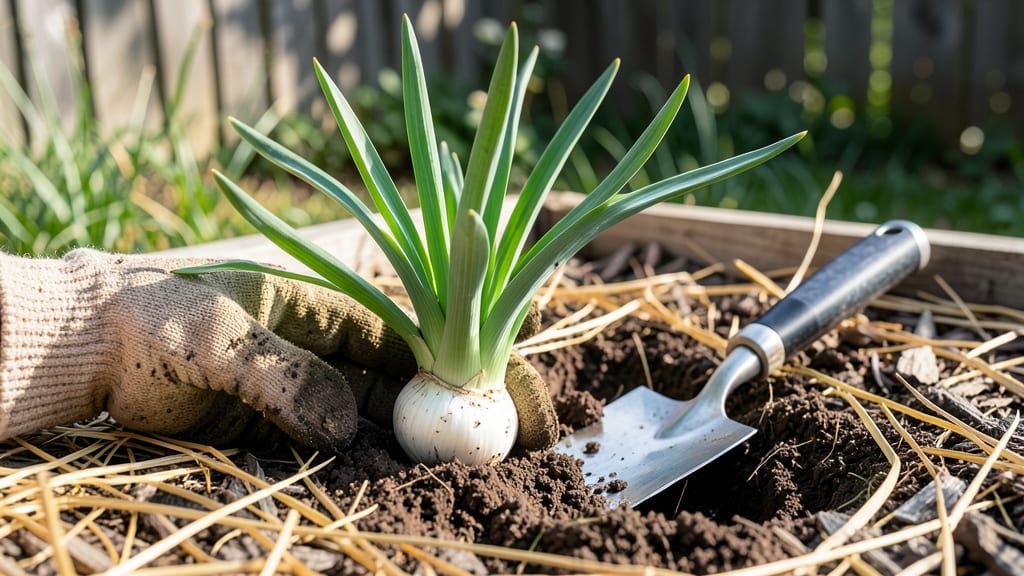
Timing your garlic 🧄 planting in Phoenix isn’t just about the calendar—it’s about beating the desert’s relentless heat while giving those cloves the cool, steady growth they crave.
Unlike cooler climates where frost signals the perfect window, Phoenix’s frost-free zone (9b) demands a different strategy to avoid bolting or stunted bulbs.
Most gardeners here swear by planting between November and January, when soil temps dip into the ideal 50–60°F range—cool enough for roots to establish without triggering early flowering.
But here’s the catch: hardneck varieties (like ‘German White’) need that chill period, while softnecks (like ‘California Early’) are more forgiving if you plant a little later.
I’ve learned the hard way that rushing garlic into the ground too early—say, October—means it’ll bolt by spring, leaving you with bitter green shoots instead of plump bulbs. The key? Wait until the ground cools after the monsoon season’s last gasp, then plant cloves 2–4 inches deep in well-draining soil.
In this guide, I’ll break down exactly how to sync your planting with Phoenix’s microclimates, which varieties play it safe here, and how to tweak your approach for zero-frost success. Let’s get those cloves in the ground the right way—so you’re harvesting flavorful garlic by April or May.
Optimal Phoenix garlic planting dates by variety: hardneck vs. softneck breakdown
Phoenix’s frost-free climate (USDA Zone 9b-10a) means garlic thrives year-round, but timing is everything to avoid summer heat stress. Unlike traditional cold-weather planting, Phoenix gardeners plant garlic in late fall to establish roots before winter’s mild temperatures. This approach ensures bulbs mature before spring’s rising temps trigger premature bolting.
Hardneck varieties like ‘German White’ and ‘Inchelium Red’ need 60-90 days of cool weather (50-60°F) to form bulbs. In Phoenix, this translates to planting November 1–December 15, when soil temps hover around 60°F.
Softnecks like ‘California Early’ are more flexible, tolerating slightly warmer soil (65°F) and can be planted until January 15.
Here’s the key difference: Hardnecks require cooler winter nights (below 60°F) to develop scapes, while softnecks focus on bulb growth and handle Phoenix’s milder winters better. Miss the window, and you risk small, pithy bulbs or bolting before harvest.
🌱 Pro Tip: Use a soil thermometer to confirm temps are below 70°F before planting. Phoenix’s alkaline soil (pH 7.5–8.5) can stunt growth—amend with compost and sulfur to lower pH to 6.0–7.0.
Hardneck vs. Softneck Garlic Planting Guide for Phoenix
| Variety Type | Optimal Planting Window | Soil Temp Requirement | Days to Harvest | Phoenix-Specific Notes |
|---|---|---|---|---|
| Hardneck (e.g., Rocambole, Purple Stripe) | November 1–December 15 | 50–60°F (10–15°C) | 240–300 days | Needs cooler winter nights (<60°F) for scape formation; risk of bolting if planted after Dec 15. |
| Softneck (e.g., Silverskin, Artichoke) | November 15–January 15 | 55–65°F (13–18°C) | 270–330 days | More heat-tolerant; ideal for Phoenix’s mild winters; harvest bulbs before summer heat. |
| Elephant Garlic (Softneck Hybrid) | December 1–January 10 | 60–65°F (15–18°C) | 300–360 days | Largest bulbs; plant later for summer harvest; mulch heavily to retain moisture. |
🌡️ Soil temp critical: Use a thermometer to avoid planting when temps exceed 70°F.
Phoenix’s microclimates add another layer of complexity. Higher elevations (e.g., North Phoenix) may experience cooler nights in winter, extending the hardneck planting window. Conversely, low-lying areas (e.g., South Phoenix) can stay warmer, pushing softneck varieties toward January planting.
Adjust your timeline based on rainfall patterns. Phoenix’s winter rains can over-saturate soil, leading to rot. If heavy rains are forecast, delay planting until soil dries out or use raised beds for better drainage.
Aim for 1–1.5 inches of water per week post-planting to encourage root growth without drowning cloves.
For first-time growers, start with softneck varieties like ‘California Early’—they’re forgiving and produce larger bulbs in Phoenix’s heat. Hardnecks like ‘Inchelium Red’ are worth the extra care for their bold flavor and purple stripes, but they demand precise timing to avoid bolting.
Mark your calendar for April–May harvest, when lower leaves turn brown and crispy. In Phoenix, this often aligns with rising spring temps (80°F+), so harvest early to prevent bulbs from splitting or developing hot, pithy centers.
Cure harvested garlic in a shady, dry place (60–70°F) for 2–3 weeks to extend shelf life.
🌱 Key Takeaway: Phoenix garlic success hinges on planting in late fall (Nov–Jan), amending alkaline soil, and harvesting before summer heat. Hardnecks need cooler winters; softnecks are more adaptable. Test your soil and adjust your timeline to match Phoenix’s unpredictable microclimates.
How to time garlic planting for Phoenix’s heat: soil prep and seasonal adjustments
Phoenix’s alkaline soil and 100°F+ summers demand special timing for garlic. Unlike colder climates, you can’t rely on frost to trigger growth—so soil temperature and rainfall patterns become your best cues. Planting too early risks premature bolting, while waiting too long may stunt bulb development.
The key? Aim for November through January when daytime highs dip below 80°F and nights stay cool.
Start by testing your soil’s pH level—garlic thrives in 6.0–7.0. Phoenix’s naturally high pH (often 7.5+) can be amended with sulfur or peat moss 4–6 weeks before planting.
Mix in 2–3 inches of compost to improve drainage, as garlic hates soggy roots. Well-draining soil is non-negotiable in the desert, where summer monsoons can turn clay heavy.
For hardneck varieties (like ‘German White’), plant 4–6 weeks before your average first frost—but since Phoenix rarely sees frost, use soil temperature instead. Cloves should go into 50–60°F soil. Softneck garlic (like ‘Silverskin’) is more forgiving and can handle slightly warmer soil (55–65°F).
Pro tip: Soak cloves in water for 24 hours before planting to jumpstart germination in dry desert soil.
Watering is critical after planting. Give cloves a deep soak immediately, then maintain 1 inch of water per week (more in summer). Phoenix’s low humidity means water evaporates fast—always water early morning to prevent fungal diseases like white rot.
Mulch with straw or wood chips to retain moisture and regulate soil temps. Avoid synthetic mulches, which can bake the soil.
Adjust your timeline based on your harvest goals:
- Fall/Winter harvest (April–May): Plant November–January for bulbs to mature before summer heat.
- Spring harvest (June–July): Plant January–February with shade cloth to delay bolting.
Monitor your garlic’s progress by checking leaf color and bulb firmness. If leaves turn yellow by March, your bulbs are likely ready to harvest—don’t wait too long, or they’ll split.
Phoenix’s dry heat makes garlic curing a breeze; simply braid and hang stalks in a shady, dry spot for 2–3 weeks. Store cured bulbs in a cool, dark place (like a pantry) for up to 6 months.