
Plants
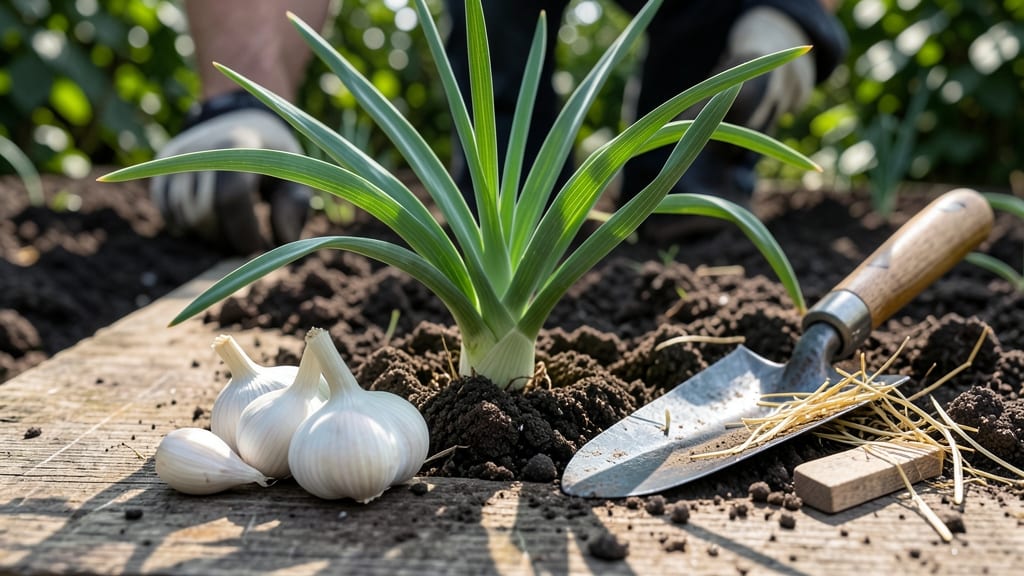
Timing your 🧄 garlic planting in North Carolina could mean the difference between a thriving garden and wasted effort. Most gardeners assume fall is the only option, but the truth is more nuanced—especially across zones 7a-8b where microclimates create real variations.
The ideal window for planting garlic in North Carolina stretches from late October through November, but don't overlook February as a viable alternative for early spring planting. Whether you're growing hardneck varieties like 'Silverskin' or softneck types like 'Creole', getting the timing right ensures stronger bulbs and better yields.
I'll walk you through exactly when to plant based on your specific region—whether you're in the Piedmont or Coastal areas—and how to adjust for early frost risks. With just 4 simple steps, you can avoid common mistakes that lead to poor harvests in late June or July.
Ready to grow bigger, healthier garlic? Let's break down the perfect planting schedule tailored to North Carolina's climate so you can start your garden with confidence this fall—or even next February.
North Carolina garlic planting calendar: hardneck vs softneck month-by-month guide
North Carolina’s diverse climate zones (USDA 7a-8b) mean garlic planting timing varies by region—from the Piedmont’s cooler winters to the Coastal Plain’s milder microclimates.
Whether you’re growing hardneck varieties (like ‘Music’ or ‘German Red’) for their flavorful scape shoots or softneck types (like ‘Silverskin’) for storage, the fall planting window is critical. Plant too early, and cloves rot; too late, and they won’t establish roots before winter dormancy.
For most of North Carolina, the ideal planting window stretches from mid-October to early November, giving cloves 4-6 weeks to root before the ground freezes.
However, elevation adjustments are key: Mountain regions (like Asheville) may shift this to late September to October, while the Coastal Plain can extend it to early December. Spring planting is possible but yields smaller bulbs—best for late February in warmer zones.
Here’s how to align your planting schedule with North Carolina’s month-by-month climate shifts, including variety-specific recommendations to maximize your harvest.
| Month | Hardneck Garlic (e.g., 'Music', 'German Red') | Softneck Garlic (e.g., 'Silverskin', 'Creole') | Soil Temp Goal (°F) | Notes for NC |
|---|---|---|---|---|
| September | Early planting in Mountains (Zone 7a) | Avoid—too warm for root establishment | 50-60°F | Only for high-elevation gardens |
| October | ✅ Best time for all NC zones | ✅ Best time for all NC zones | 40-50°F | Plant by mid-October in Piedmont |
| November | ✅ Last chance for Mountains/Coastal | ✅ Last chance for Coastal Plain | 35-45°F | Avoid after early November in Zone 7a |
| December | ❌ Too late—risk of rot | ⚠️ Risky in Coastal Plain only | <35°F | Only if soil hasn’t frozen |
| February | ⚠️ Spring option (smaller bulbs) | ⚠️ Spring option (smaller bulbs) | 50-60°F | Plant by late February for summer harvest |
North Carolina’s hardneck garlic thrives when planted in October because it needs cold vernalization (40-50°F for 6-8 weeks) to form bulbs. Softneck varieties, however, are more adaptable and can handle November plantings in milder zones like Zone 8b.
The key is ensuring cloves have 4-6 weeks to root before the ground freezes—aim for soil temps between
5 Critical factors that determine your perfect garlic planting date in NC
Timing your garlic planting in North Carolina isn’t just about picking a month—it’s about understanding five key factors that create the ideal conditions. From soil temperature to microclimates, each plays a role in ensuring your cloves grow into plump, flavorful bulbs.
Let’s break down what truly matters for your garlic’s success.
First, soil temperature is non-negotiable. Garlic cloves need soil that’s 40-50°F at planting time. In North Carolina’s USDA Zones 7a-8b, this typically means waiting until late September through November.
If you plant too early, the cloves may sprout prematurely and rot. Use a soil thermometer to check—it’s your best friend for timing.
First frost dates are your next guidepost. In most of NC, the average first frost hits between mid-October and November. Aim to plant 4-6 weeks before that date so your garlic has time to establish roots before winter dormancy. For example, in Zone 7a, planting in early October works, while in Zone 8b, late November is safer. Miss this window, and your crop may struggle to mature.
Don’t overlook elevation and microclimates. North Carolina’s geography varies wildly—from the mountains of Zone 6 to the coastal plains of Zone 8**. High-elevation areas freeze earlier, so plant 2-3 weeks earlier than lowland regions.
Even within your county, a south-facing slope might stay warmer longer than a north-facing valley. Observe your yard’s unique conditions for a few years to refine your timing.
Variety choice also shifts your planting schedule. Hardneck garlic (like ‘Music’ or ‘German White’) thrives in cooler climates and needs a cold period to form bulbs. Plant these in October-November. Softneck garlic (like ‘Silverskin’ or ‘Artichoke’) tolerates warmer winters and can sometimes be planted in early February for a summer harvest. But be warned: spring-planted garlic often yields smaller bulbs.
Finally, moisture and mulch are silent partners in your timing strategy. Planting too late leaves your garlic vulnerable to winter desiccation (drying out). Use 4-6 inches of straw mulch after planting to insulate soil and retain moisture.
In drought-prone areas like the Piedmont, prioritize planting in September-October to give roots time to establish before dry spells hit.
By aligning these five factors—soil temp, frost dates, elevation, variety, and moisture—you’ll pinpoint the perfect moment to plant garlic in North Carolina. The difference between a mediocre harvest and a showstopper crop often comes down to these details. 🌱