
Plants
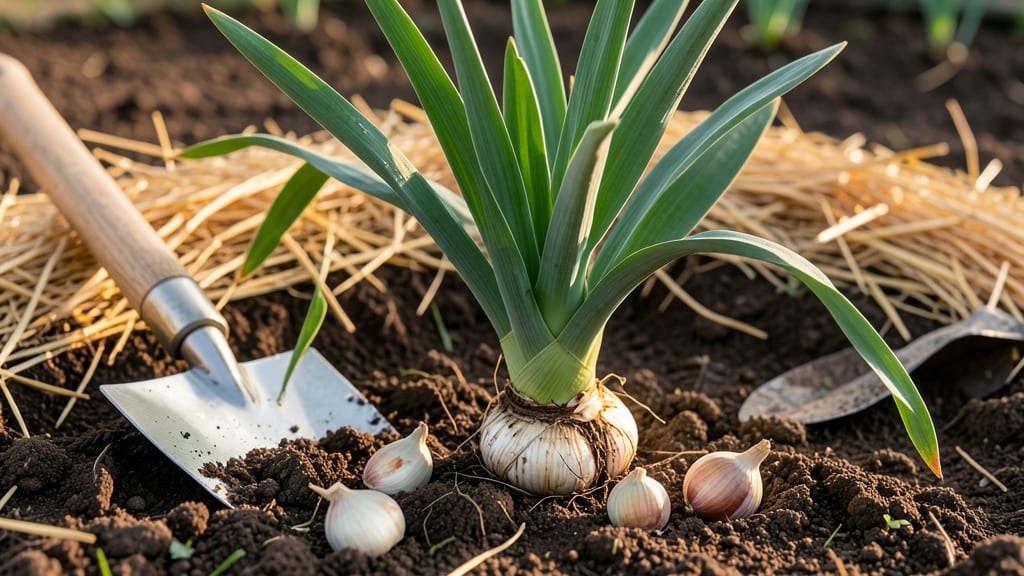
If you’ve ever planted 🧄 garlic in California only to watch it bolt or rot, timing is likely the culprit. Unlike most plants, garlic thrives in winter—when coastal and inland climates demand completely different strategies to avoid frost damage and maximize your harvest.
In USDA zones 9b to 11, the best window stretches from October to December for fall planting or January to February for winter, but the devil’s in the details.
Coastal gardeners can plant later thanks to mild winters, while inland areas need to act sooner to establish roots before the rare frost hits.
This isn’t just about picking a month—it’s about understanding how soil temperatures, frost dates, and even microclimates (like desert valleys vs. coastal fog belts) shape your garlic’s success. Get it wrong, and you’ll end up with tiny bulbs or no harvest at all.
I’ll break down the exact timing for your region, plus soil prep tips and common mistakes to avoid. Ready to grow plump, flavorful garlic that rivals the farmers’ market? Let’s dive in.
California garlic planting zones: coastal vs inland timing explained
California’s diverse climate means coastal regions like San Francisco and inland valleys like the Central Valley have wildly different garlic planting needs. The key difference? Frost risk—coastal areas rarely dip below 32°F, while inland zones can see hard freezes by December 15.
This affects your planting window by 4-6 weeks.
For coastal gardeners (USDA zones 9b-11), garlic thrives when planted between October and December. The mild winters let bulbs establish without frost stress. In contrast, inland growers (zones 7b-9a) must plant by mid-October at latest to avoid winter dormancy issues.
Here’s how to match your location to the perfect timing:
| Zone Type | USDA Zone | Best Planting Window | Key Climate Note |
|---|---|---|---|
| Coastal (Mild) | 9b-11 | October 1 - December 15 | Frost-free winters; plant later for bigger bulbs |
| Inland (Moderate) | 7b-9a | September 15 - October 15 | Hard freezes possible; plant early to establish roots |
| Desert (Hot) | 10a-11 | November 1 - January 15 | Low humidity; plant in cooler months to prevent bolting |
Garlic needs 4-6 weeks of cool weather (below 70°F) to form bulbs. In coastal areas, this happens naturally in winter, while inland zones must plant earlier to hit this window before December.
For example, Sacramento gardeners should plant by October 15, while San Diego gardeners can wait until November.
Pro tip: Use your last frost date as a guide. Plant 6-8 weeks before your average last frost (or October 1 if no frost risk). For inland areas, check Almanac’s frost calculator—it’s your garlic’s best friend.
One critical mistake? Planting in spring. Garlic needs vernalization (cold exposure) to bulb properly. Spring-planted garlic often bolts (sends up a flower stalk) instead of forming edible bulbs. Save spring planting for green garlic harvests, not mature bulbs.
Soil temperature matters too. Aim for 60-70°F soil at planting. Use a soil thermometer—if it’s warmer than 75°F, wait 2-3 weeks. Inland areas often hit this range in late September, while coastal zones may need to wait until October.
Hardneck varieties (like 'German White') need cold exposure to form scapes, so they’re best for inland zones. Softneck varieties (like 'Artichoke') tolerate milder winters and work well in coastal areas. Choose wisely!
Remember: Early planting = bigger bulbs. The longer garlic grows in cool weather, the larger the bulb. But don’t plant too early—cloves need warm soil to sprout. Balance is key!
Step-by-step garlic planting calendar for California gardeners
Timing your garlic planting is everything in California, where coastal and inland zones can differ by 6-8 weeks. My step-by-step calendar breaks down the exact monthly deadlines and soil prep tasks to ensure your cloves establish strong roots before winter dormancy.
Whether you're in mild San Diego (Zone 9b) or cold Sacramento (Zone 7b), these actionable steps will guide you to a zero-frost harvest.
Start by testing your soil pH (6.0-7.0)—garlic hates acidic conditions. Amend with compost or aged manure if your soil feels dense. I recommend working in 2-3 inches of organic matter at least 2 weeks before planting to give microbes time to break it down.
This prep is non-negotiable for bulb development in California's fast-draining soils.
September (Coastal Only)
🌱 Soil Prep: Test pH, add compost, till to 8" depth. Plant: Hardneck varieties only if no frost risk.
October (Best for All Zones)
🌱 Plant: Break bulbs into single cloves, plant pointy-end up, 2" deep. Spacing: 4-6" apart, rows 12" apart.
November (Critical for Inland)
🌱 Mulch: Apply 2-3" of straw or leaves to insulate roots. Water: Deep soak weekly if rain < 1".
December-January (Dormancy)
❄️ Coastal: Light watering. Inland: Reduce to bi-weekly. Watch for: Soil temps below 40°F (risk of rot).
February (Growth Resumes)
🌱 Fertilize: Apply 5-10-10 NPK (1 tbsp/10 sqft). Remove mulch if spring rains arrive.
Pro tip: Use hardneck varieties like 'German White' for inland areas—they thrive in colder winters and produce scape shoots (edible stems). For coastal gardens, opt for softneck types like 'Artichoke' that store longer without sprouting.
I’ve found that planting in October gives bulbs enough time to establish roots before winter rains, while January planting works for mild coastal zones like Santa Barbara.
After planting, mark your calendar for June-July harvest—that’s when your garlic will signal readiness with yellowing lower leaves and papery skins. But don’t wait too long!
Over-mature bulbs split or sprout, ruining your harvest. I’ll cover harvesting cues in detail in the next section, so stay tuned for those critical signs.
🌱