
Plants
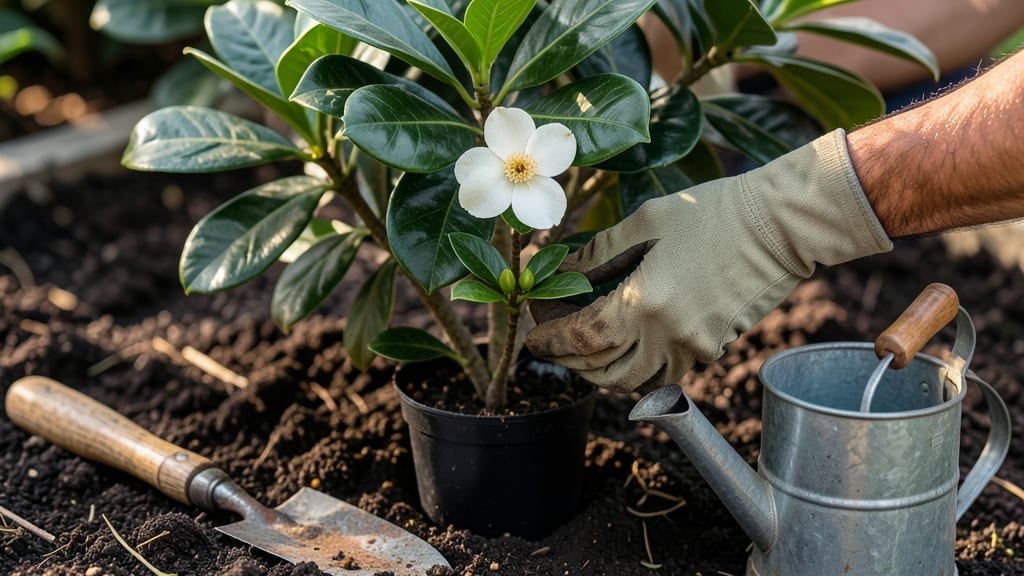
Planting gardenias 🌸 in Texas at the wrong time means your fragrant shrubs could struggle—or even die—before they ever bloom. The key to success? Timing your gardenia planting after the last frost but before the brutal summer heat sets in.
Texas gardeners know the stakes: plant too early, and frost can damage tender roots; too late, and your gardenia wilts under scorching sun. The ideal window is February-March or September-October, when soil temperatures are just right for root establishment.
But with Texas’s diverse heat zones (8a-10b), the exact timing varies.
Whether you’re planting in-ground or containers, understanding your local microclimate makes all the difference. I’ll break down the best months for your specific Texas region, plus how to tell when conditions are perfect for planting—and when to wait.
Ready to grow gardenias that thrive year-round? Let’s dive into the heat-zone guide that keeps your gardenias blooming beautifully, even in Texas summers.
Texas gardenia planting calendar: best months by heat Zone
Texas’s 11 heat zones (A1–B3) create wildly different frost risks, so timing matters. Gardenias need warm soil (60°F+) to root properly, but avoid summer heat when transplant shock spikes. Let’s break it down by zone to pinpoint your perfect window.
In North Texas (8a–9a), where last frosts hit February 15, plant gardenias after March 1—when soil warms to 65°F+.
For Central Texas (9a–9b), aim for February 20–March 15, as frost-free dates shift earlier. South Texas (10a–10b) gardeners can start as early as January 15, thanks to milder winters.
Fall planting is also ideal: September–October gives roots time to establish before winter. In Zone 10b (Rio Grande Valley), extend planting to November 1—just avoid December’s rare frosts.
| Heat Zone | Last Frost Date | Ideal Planting Window | Soil Temp Threshold |
|---|---|---|---|
| 8a (North TX) | Feb 15 | March 1–April 15 | 65°F+ |
| 9a (Central TX) | Feb 20 | Feb 20–March 15 | 60°F+ |
| 10a (South TX) | Jan 15 | Jan 15–Feb 28 | 58°F+ |
| 10b (Rio Grande Valley) | Dec 1 | Jan 1–Nov 1 | 55°F+ |
Pro tip: Use a soil thermometer to confirm 60°F+ soil temps before planting. In Zone 8a, wait until March 15—earlier plantings risk root rot in cold soil. For containers, warm soil faster by placing pots in black plastic-lined boxes under morning sun.
Urban areas like Houston (9a) or Dallas (8a) often have microclimates—plant near south-facing walls to extend your frost-free window by 2–3 weeks. Rural spots may need row covers for early spring plantings.
Fall planting in September works best in North Texas, while South Texas can push to November. The key? 6–8 weeks before first frost—enough time for roots to anchor before winter chill sets in.
Skip summer planting (June–August)—Texas’s 100°F+ heat stresses young roots. Instead, prep soil in summer by amending with peat moss (to lower pH) and compost for moisture retention.
For container gardenias, plant anytime soil is warm—even in Zone 8a, pots heat up faster. Just move containers indoors if night temps drop below 45°F.
Remember: Gardenias bloom best when planted in cool-season windows. Rush planting in late spring (May) often leads to leafy growth without flowers—prioritize root establishment over speed.
🌸
Signs your Texas gardenia planting time is perfect (or too early/late)
Texas gardenias need precise timing—plant too early, and frost will kill them; too late, and summer heat stresses roots. Look for these three key signs to confirm perfect planting conditions: soil warmth, humidity levels, and pest activity. Each zone varies, but these cues work statewide.
First, check soil temperature—it should stay above 60°F (15°C) for at least a week. Use a soil thermometer or press your finger into the ground: if it feels warm but not scorching, roots will establish safely.
In North Texas (Zones 8a-8b), aim for mid-March; in South Texas (Zones 9a-10b), February works.
Next, monitor humidity and rainfall. Gardenias thrive in 60-80% humidity—if your area is bone-dry (like West Texas), mulch heavily or plant in containers with saucers. A sudden drop in humidity after planting signals stress; water deeply if leaves curl or yellow.
Finally, watch for pest activity. If you spot aphids or spider mites on nearby plants, delay planting by 2-3 weeks—they’ll attack weak gardenia seedlings. Healthy soil with earthworms and beneficial nematodes means the environment is ready for your new shrub.
- 🌡️ Soil temp: 60°F+ (15°C+) for 7+ days
- 💧 Humidity: 60-80% (check with hygrometer)
- 🐛 Pests: No aphids/spider mites on nearby plants
- 🌱 Soil: Dark, crumbly, and slightly moist (not soggy)
- ☀️ Sunlight: Morning sun only (afternoon shade preferred)
Adjust for urban vs. rural microclimates. Cities like Houston or Dallas stay warmer, so plant 2-3 weeks earlier than rural areas. Rural spots (e.g., Hill Country) may need fall planting—aim for late September to avoid summer drought.
Always test your yard’s soil pH (5.0-6.0); acidic soil is non-negotiable for gardenias.
If you miss the window, don’t panic! Container planting buys you flexibility—just move pots indoors during frost. But for in-ground plants, spring (March) or fall (September) are your best bets. Timing isn’t just about months—it’s about reading your garden’s signals.
Pro tip: Plant on a cloudy day to reduce transplant shock. Water thoroughly before and after, and mulch with pine bark to retain moisture and acidify the soil naturally. Your gardenia will reward you with fragrant blooms in 6-8 weeks if you nail the timing.