
Trees
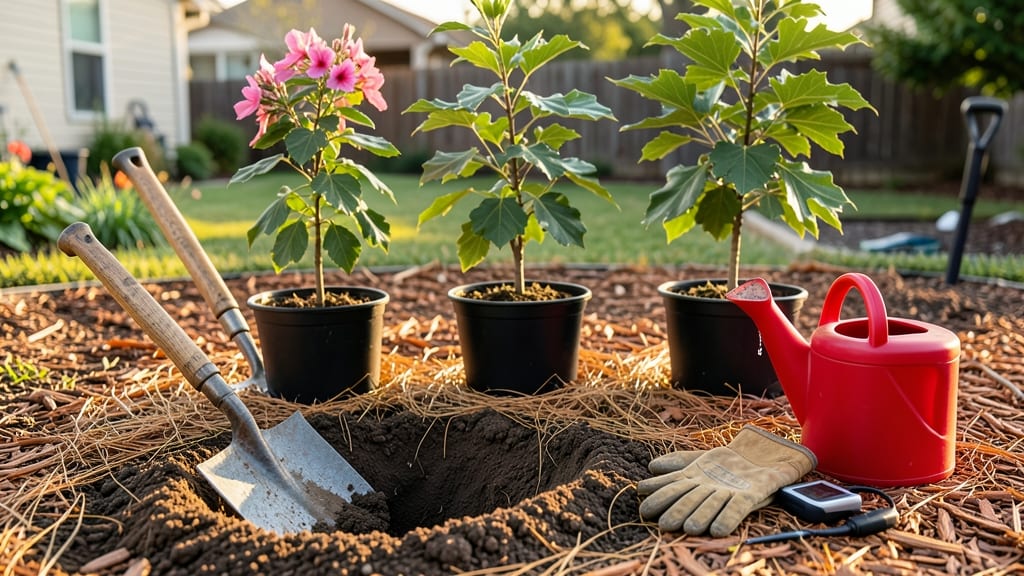
The best time to plant trees in North Texas isn't what you might think—and getting it wrong could mean struggling growth or even losing your 🌳 entirely. With our hot summers and unpredictable winters, timing matters more than you'd expect.
Most gardeners assume spring is the only window, but in USDA zones 7b-8a, late fall and early spring actually give your tree the best shot at survival. Why? Cooler temps and consistent moisture let roots establish before the Texas heat kicks in.
I’ll break down exactly when to plant—whether you’re working with bare-root saplings or container-grown trees—and how to prep your soil for maximum success. No guesswork, just proven strategies tailored to North Texas’ climate quirks.
Ready to give your tree the perfect start? Let’s dive into the ideal frost-free window and soil conditions that’ll set it up for decades of growth.
North Texas frost-free window: the critical 6-Week planting period
North Texas' USDA Zones 7b-8a create a unique challenge for tree planting—late frosts in spring and early freezes in fall demand precision timing. The ideal 6-week window spans from mid-November to mid-February, when soil temperatures are cool but not frozen, and rainfall is more predictable.
This period aligns with your tree's dormancy cycle, allowing roots to establish before summer heat arrives. Missing this window risks transplant shock from extreme temperatures or drought stress. For container-grown trees, a slightly extended window exists, but bare-root trees must be planted during dormancy.
Here’s why this timing matters: Soil temperatures below 50°F slow root growth, while above 80°F causes stress. North Texas’ clay-heavy soil also needs time to settle around roots without cracking from heat.
| Planting Window | Soil Temp Range | Key Conditions | Tree Types |
|---|---|---|---|
| Mid-November - Mid-February | 40°F - 55°F | Cool, moist soil; no frost | Bare-root, deciduous, conifers |
| Late February - Early March | 55°F - 65°F | Warming soil; last frost risk | Container-grown, fruit trees |
| April (with caution) | 65°F - 75°F | Hot, dry conditions | Drought-tolerant species only |
For container-grown trees, you can plant year-round except during peak summer heat (June-August) or winter freezes (December-January). However, bare-root trees must go into the ground while dormant—typically between November 15 and February 15—to avoid root damage.
North Texas’ last average frost date is around February 15, but late frosts can occur until March 15. Planting too early risks root freeze, while waiting too long exposes young trees to summer drought before roots establish.
Pro tip: Use a soil thermometer to confirm temperatures are above 50°F at a 6-inch depth before planting. This is especially critical for oaks and pecans, which need cooler soil to thrive.
If you miss the ideal window, late spring planting (April) is possible for drought-resistant species like mesquite or cedar, but expect slower initial growth. Always mulch heavily and water deeply to compensate for heat stress.
Remember: Root establishment is the #1 priority. A tree planted in the optimal window can grow 3x faster in its first year compared to a poorly timed planting. Don’t rush—patience now means shade and beauty for decades.
🌳
Soil temperature & tree species: matching planting time to your tree type
North Texas' clay-heavy soil and extreme temperature swings mean not all trees thrive when planted at the same time. Matching your tree species to the right soil temperature and planting window is key to success.
For example, oaks and pecans prefer cooler soil, while pines and fruit trees can handle slightly warmer conditions.
Most bare-root trees (like oaks and maples) should go into the ground when soil temps are between 40°F and 60°F.
This usually aligns with November through February in North Texas. Container-grown trees, however, are more flexible and can be planted as long as the ground isn't frozen or scorching hot.
Here’s how to pair your tree type with the best planting time and soil conditions:
If you’re planting in clay-heavy soil, amend it with compost or sand to improve drainage. Drought-tolerant species like pecans and pines handle North Texas heat better than moisture-loving trees like willows. Always check the root ball for moisture before planting—dry roots struggle to establish.
For container-grown trees, you can plant them year-round (except during extreme heat or freezing temps), but the ideal window is still late fall or early spring. This gives roots time to settle before summer stress hits. Water deeply after planting to encourage root growth into the native soil.
Pro tip: Use a soil thermometer to check temps before planting. If soil is warmer than 65°F, wait—your tree’s roots will cook! 🌱