
Planting
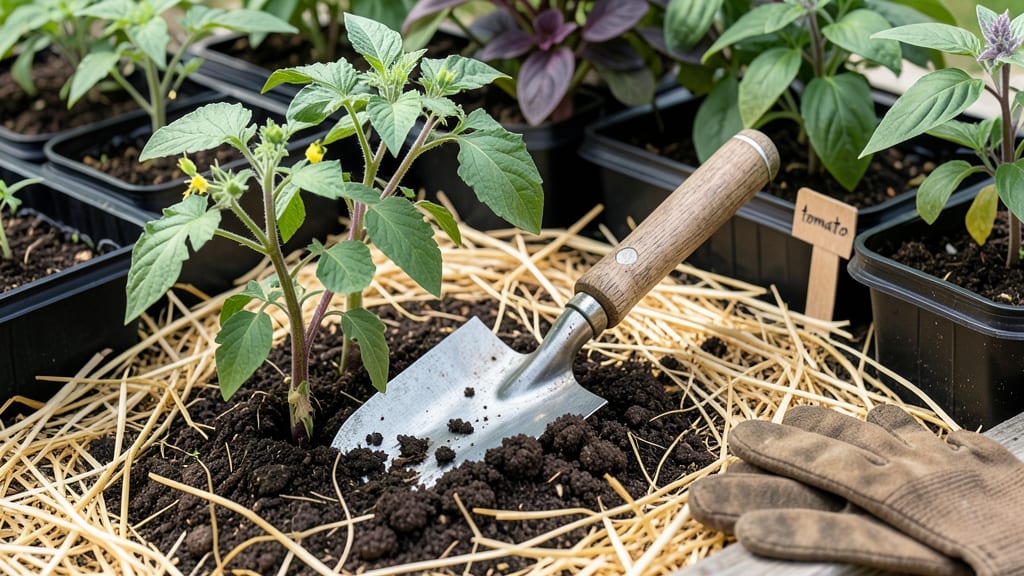
Timing when to plant a garden in Zone 7 isn’t just about throwing seeds in the dirt—it’s the difference between a thriving harvest and a sad, frost-nipped disappointment.
The perfect planting window here balances warm soil, fading frost risks, and your plants’ needs, and getting it wrong can mean lost crops or wasted effort.
I’ve seen gardeners in Zone 7 pull off zero-frost success with a simple trick: aligning their schedule with the average last frost date of March 15 (and first frost of November 15). But here’s the catch—microclimates, soil temperature, and even elevation can shift those dates by weeks.
That’s why I’m breaking down the month-by-month strategy you need to nail your planting times, whether you’re growing tomatoes, lettuce, or perennials.
You’ll learn how to plant cool-season crops 4–6 weeks before frost and warm-season favorites 2–3 weeks after, plus how to stretch your season with row covers or black plastic. No more guessing—just a clear, actionable plan tailored to Zone 7’s unique rhythm.
Ready to turn your garden into a year-round powerhouse? Let’s dive into the exact schedule that’ll have your 🌱 General Garden Plants thriving from spring to fall.
Zone 7 planting calendar: month-by-month frost-free timeline for vegetables, flowers, and herbs
Zone 7 gardeners enjoy a 210-day frost-free growing season, but knowing exactly when to plant each crop can mean the difference between a thriving garden and a failed harvest.
The average last frost date falls between March 15–April 15, while the first frost typically arrives November 15–December 15. Timing varies slightly by elevation—higher areas may experience 2–3 weeks later last frosts.
To maximize your garden’s potential, I’ve broken down the best planting times by crop type, season, and soil conditions. Cool-season crops like lettuce and peas thrive when planted 4–6 weeks before your last frost, while warm-season crops such as tomatoes and peppers need to wait until 2–3 weeks after the last frost date.
Let’s dive into the specifics for each month.
Here’s a quick reference for Zone 7’s frost-free timeline and ideal planting windows:
| Month | Cool-Season Crops | Warm-Season Crops | Flowers & Herbs | Soil Temp |
|---|---|---|---|---|
| February | Start indoor seeds (lettuce, spinach) | None (too early) | Pansies, snapdragons | 40–50°F |
| March | Direct sow peas, spinach, kale | Transplant onion sets | Calendula, thyme | 50–60°F |
| April | Plant broccoli, carrots, radishes | Start tomato, pepper seeds indoors | Marigolds, basil | 60–70°F |
| May | Succession plant lettuce, spinach | Transplant tomatoes, peppers, cucumbers | Sunflowers, lavender | 70–80°F |
| June | Plant late-season spinach for fall | Sow beans, squash, corn | Zinnias, rosemary | 75–85°F |
| July | None (too hot) | Succession plant beans, cucumbers | Cosmos, dill | 80–90°F |
| August | Plant fall broccoli, kale | Sow pumpkins, winter squash | Asters, parsley | 70–80°F |
How to adjust planting times for Zone 7’s microclimates and soil warming tricksZone 7’s variable microclimates can shift planting windows by 2–4 weeks, so knowing how to adapt is key. Urban gardens often warm up faster than rural areas, while high-elevation spots may delay spring by 10–14 days. For example, my elevated backyard in Raleigh plants tomatoes 2 weeks later than my neighbor’s lower-lying lot. Microclimates aren’t just about elevation—wind exposure, proximity to water, and even building shade play roles. A south-facing wall can create a microclimate 5–10°F warmer than open fields, letting you plant heat-loving crops like peppers 1–2 weeks earlier. Test your spot by tracking soil temperature with a probe—ideal planting soil should hit 60°F+ for warm-season crops. 🌱 5 Soil-Warming Tricks to Extend Your Zone 7 Season
For fall planting, focus on cool-season crops like kale, spinach, and carrots. Start seeds 8–10 weeks before first frost (early September in most of Zone 7) and use row covers to protect tender seedlings from light frosts. I’ve successfully grown broccoli through November by covering beds with floating row covers after 32°F nights. Urban gardeners often face limited space and heat-island effects, which can make soil 3–5°F warmer than rural areas. To combat this, prioritize shade-tolerant crops like lettuce, Swiss chard, and bush beans in hotter microclimates. If your balcony or patio gets intense afternoon sun, opt for fast-maturing varieties like ‘Black Seeded Simpson’ lettuce (harvest in 30 days). High-altitude Zone 7 gardens (e.g., Appalachian foothills) may have cooler soils and later last frosts. Adjust by planting warm-season crops like cucumbers and squash 2–3 weeks later than coastal areas. Use cold frames to jumpstart seedlings—my mountain garden gets peppers thriving 3 weeks earlier than open-ground plantings. Pro tip: Monitor local weather patterns for 3+ years to refine your schedule. Note when soil hits 50°F (safe for peas and spinach) or 65°F (ideal for tomatoes). Keep a gardening journal to track adjustments—what worked in 2023 may need tweaking after a warmer-than-average spring. |