
Planting
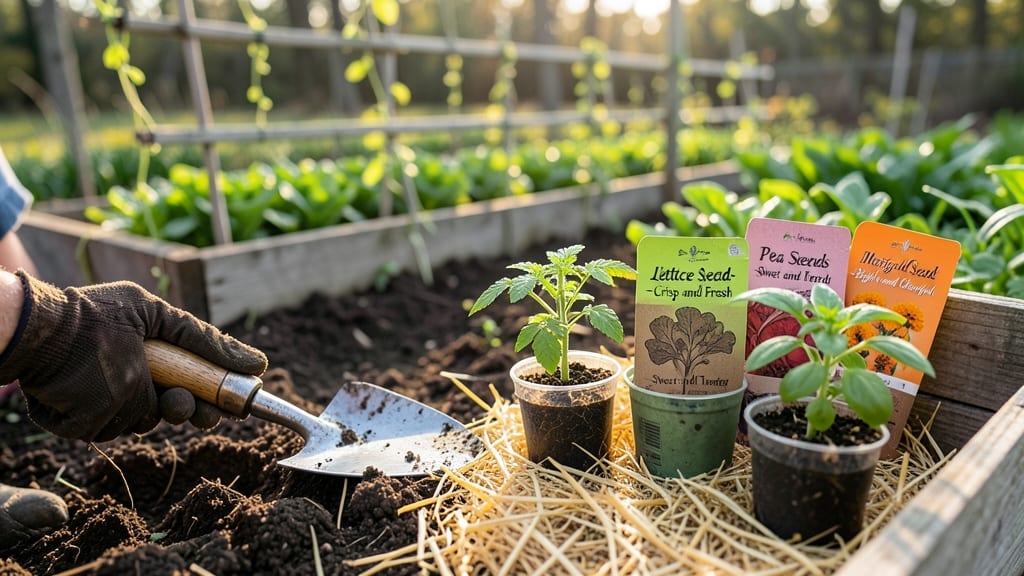
Knowing when to plant a garden in CT can feel like guessing whether it'll be a sunny May or a chilly June—because those late frosts have a way of throwing off even the best-laid plans.
The 5b-6b zone means your 🌱 General Garden Plants need precise planting windows, or you risk losing your hard work to a surprise frost.
I’ve seen firsthand how a 2-week miscalculation can turn a thriving tomato plant into a sad, frozen memory. But here’s the good news: with the right schedule, you can maximize your harvests and beat Connecticut’s unpredictable weather.
Let’s break down exactly when to plant—whether you’re sowing cool-season greens in spring or warm-season veggies in summer.
Most gardeners in CT follow two key windows: mid-April to mid-June for spring crops and late July to early September for fall planting. But the real secret? Adjusting for microclimates—like urban heat islands or lake-effect zones—that can shift frost dates by weeks.
I’ll show you how to fine-tune your timing so your garden thrives, no matter what Mother Nature throws your way.
From extending your growing season with row covers to picking the perfect varieties for your zone, this guide will give you the confidence to plant like a pro. Ready to turn those frost worries into bountiful harvests? Let’s get started.
Connecticut planting calendar by frost dates and plant type
Connecticut’s USDA Zones 5b-6b mean your planting schedule hinges on last frost dates—typically mid-April in most regions, but earlier near urban heat islands (like New Haven) and later in higher elevations (e.g., Torrington).
Warm-season crops like tomatoes and peppers need 2-3 weeks after the last frost, while cool-season crops (e.g., spinach, kale) thrive when planted 4-6 weeks before.
Fall planting is equally critical—late July to early September is your window for cool-hardy crops like broccoli and carrots to mature before the first frost (usually mid-October). Miss these timelines, and you’ll either face frost damage or bolting (when plants flower prematurely).
🌱 Pro Tip: Use row covers or cold frames to extend your season by 2-4 weeks in spring or fall. For example, lettuce can be sown as early as March under protection, while zucchini should wait until after Memorial Day for safety.
Below is your planting timeline for Connecticut’s most popular crops, organized by season and frost sensitivity. Bookmark this—it’s your garden’s survival guide!
🌱 Connecticut Planting Calendar by Plant Type
| Plant Type | Spring Planting Window | Fall Planting Window | Notes |
|---|---|---|---|
| Cool-Season Veggies (Lettuce, Spinach, Peas) | March–April (4–6 wks before last frost) | August–September (6–8 wks before first frost) | Direct sow; tolerates light frost |
| Warm-Season Veggies (Tomatoes, Peppers, Cucumbers) | May–June (2–3 wks after last frost) | Not recommended (too short season) | Start indoors in March; transplant after frost |
| Herbs (Basil, Cilantro, Parsley) | April–May (after frost) | July–August (hardy varieties) | Basil bolts in heat; cilantro prefers cool |
| Flowers (Marigolds, Zinnias, Sunflowers) | May–June (after frost) | July–August (annuals) | Sunflowers need full sun; marigolds repel pests |
| Perennials (Daylilies, Coneflowers, Lavender) | April–May (after frost) | Not applicable (established roots) | Plant in well-draining soil; mulch after planting |
🌡️ Frost Dates Vary: Check CT NOFA for local updates.
For warm-season crops, like tomatoes and squash, timing is everything. Plant too early, and a late frost will kill seedlings. Too late, and you’ll miss the harvest window before fall frosts.
My rule of thumb? Start tomato seedlings indoors in March and transplant them after Mother’s Day (around mid-May) once soil temps hit 60°F.
Meanwhile, cool-season crops like kale and radishes are frost-tolerant and can handle light freezes. In fact, some varieties (like spinach) taste sweeter after a frost! For these, aim to plant 4-6 weeks before your average last frost date.
Use a frost calendar from the CT Agricultural Experiment Station to fine-tune your schedule.
Don’t overlook succession planting—this is how I double my harvest. For example, sow lettuce every 2 weeks from April to July to ensure a steady supply. The same goes for bush beans or carrots. By staggering plantings, you’ll avoid glutting your kitchen (or worse
How to adjust planting times for Connecticut’s microclimates
Connecticut’s frost dates aren’t one-size-fits-all—your Hartford garden might face last frosts 2 weeks earlier than a neighbor in Litchfield. Urban heat islands, lake breezes, and elevation shifts create microclimates that can shift planting windows dramatically. Understanding these variations helps you avoid frost damage and maximize your harvest.
For example, coastal areas like Groton often enjoy warmer springs due to lake-effect moderation, while inland regions like Torrington may experience colder nights. Even a 500-foot elevation gain can delay frost by 1-2 weeks. Use these local adjustments to fine-tune your schedule and protect tender seedlings.
🌿
⚠️ Microclimate Warning: Don’t Trust the Average!
- Urban Areas: 2-3°F warmer than rural zones—plant warm-season crops (tomatoes, peppers) 1 week earlier.
- Lake Proximity: Cooler nights near water—delay cool-season crops (spinach, kale) by 10-14 days.
- Elevation: Higher = colder—shift last frost dates 2 weeks later for every 1,000 feet up.
Pro Tip: Monitor local weather stations (like CT Agricultural Experiment Station) for real-time data.
Start by identifying your specific microclimate. Check if your garden sits in a valley (colder air pools), near buildings (heat retention), or close to water bodies (moisture delays frost).
Tools like the USDA Plant Hardiness Zone Map and local frost calendars (e.g., UConn Home & Garden Education Center) provide baseline data, but your yard’s history is your best guide.
For warm-season crops like tomatoes or cucumbers, wait until soil temperatures hit 60°F—use a soil thermometer to confirm. In cooler microclimates, opt for early-maturing varieties (e.g., ‘Early Girl’ tomatoes) or extend the season with row covers.
Conversely, heat-loving plants in urban zones may thrive 2 weeks earlier than rural areas.
🌡️
Test your microclimate’s frost tolerance by planting sensitive crops (like basil) in early May and monitoring survival rates. If they wilt or die, shift your schedule 2 weeks later next year.
For perennials, like daylilies or lavender, note which varieties rebloom reliably in your zone—some late-summer varieties (e.g., ‘Hester’ daylily) handle cooler microclimates better.
Finally, leverage local gardening groups (Facebook, CT Master Gardener programs) to crowdsource frost dates. Share your observations—every 1°F shift in your microclimate could mean the difference between a bountiful harvest and a failed crop. With these adjustments, you’ll outsmart Connecticut’s weather and grow like a pro.