
Flowers
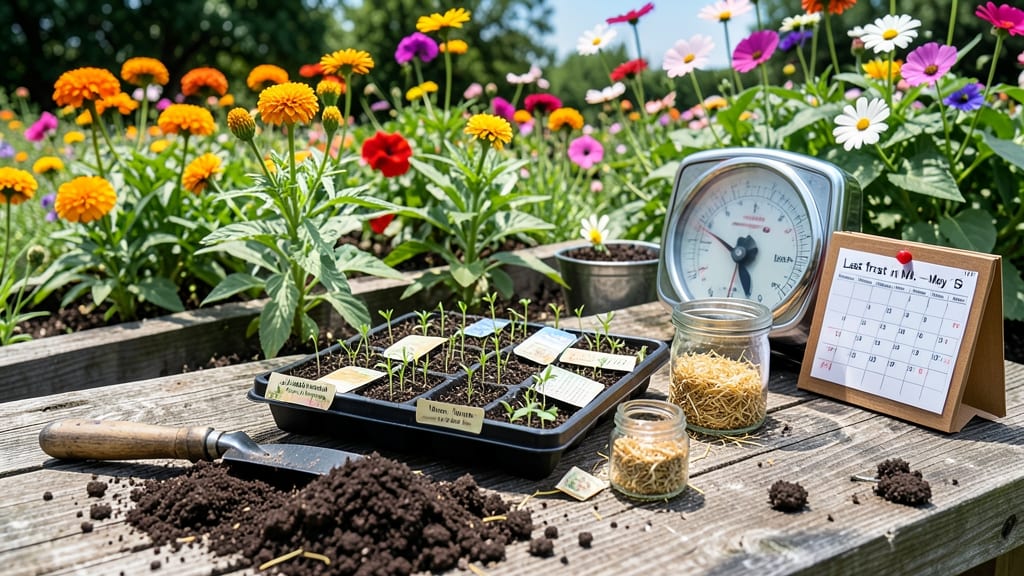
Timing your flower seeds 🌸 planting in Massachusetts can mean the difference between a vibrant summer garden and wasted effort. With frost dates shifting from mid-April to late May across the state, getting it right requires knowing your specific zone and variety.
I’ve spent years watching my own gardens thrive—and fail—when planting too early or too late. The key isn’t just memorizing dates; it’s understanding how your local microclimate (whether you’re near Boston, the Cape, or inland valleys) affects when to start seeds indoors or sow them directly outside.
In this guide, I’ll break down the exact windows for planting everything from cool-season pansies to heat-loving zinnias, plus pro tips to protect tender seedlings from late frosts. No more guessing—just a foolproof schedule tailored to Massachusetts’ 5b-6b zones.
Ready to turn your garden into a nonstop bloom parade? Let’s get started with the perfect planting timeline for your flowers.
Massachusetts frost-free dates by region: when to start flower seed planting
Massachusetts’ last frost dates vary dramatically by region—from mid-April in Boston to late April on Cape Cod. Understanding these windows is critical for flower seed planting success. Inland areas like Western MA often see frost until May 1, while coastal zones warm faster due to ocean influence.
Always check your USDA Zone 5b-6a for precise guidance.
For annual flowers, start seeds 6-8 weeks before your area’s last frost date. Perennials like coneflowers can handle cooler soil, so you can plant them 2-4 weeks earlier. Cool-season flowers such as pansies and snapdragons thrive when sown in early spring or late summer for fall blooms.
Here’s how to adjust your planting timeline based on your location:
| Region | Last Frost Date | Indoor Start (Annuals) | Outdoor Planting Window |
|---|---|---|---|
| Boston & Eastern MA | Mid-April | Early March | Late April - Early May |
| Western MA (Pittsfield, Springfield) | Early May | Late March | Mid-May - Early June |
| Cape Cod & Islands | Late April | Early March | Late April - Early May |
| Valley (Amherst, Northampton) | Late April | Early March | Late April - Early May |
If you’re unsure about your local frost dates, use the National Weather Service or local Cooperative Extension Service resources. For coastal areas, expect slightly earlier last frosts due to moderating ocean breezes.
Inland valleys can hold frost longer, so plant heat-loving flowers like zinnias and sunflowers after May 15.
For fall planting, aim to sow seeds 8-10 weeks before your first frost date (typically mid-October). Cool-season flowers like kale and calendula thrive in these conditions. Always monitor soil temperatures—most seeds need at least 50°F (10°C) to germinate properly.
Pro tip: Use biodegradable seed starters or peat pots to avoid transplant shock when moving seedlings outdoors. This method reduces root disturbance and speeds up establishment in Massachusetts’ short growing season.
Remember, microclimates matter. A south-facing slope warms faster than a shaded backyard, so adjust your planting dates accordingly. For high-altitude areas (e.g., Berkshires), extend your indoor starting time by 2-3 weeks to account for cooler nights.
Track your garden journal to note when frost occurs in your specific yard. Over time, you’ll refine your planting schedule to match your unique microclimate. Start with fast-growing flowers like marigolds or nasturtiums to test your timing before committing to slower perennials.
🌱
Best flower seed planting schedule by variety type for MA gardens
Not all flowers thrive on the same timeline in Massachusetts’ USDA zones 5b-6a. Cool-season bloomers like pansies and snapdragons can handle early spring plantings, while warm-season favorites like zinnias and marigolds need to wait until after the last frost.
Let’s break it down by flower type to maximize your bloom time.
For cool-season flowers, start seeds indoors 6-8 weeks before your last frost date (typically mid-March). These hardy varieties—like pansies, sweet alyssum, and calendula—can even tolerate light frosts. Once your soil warms to 50°F (10°C), transplant them outdoors in early April for spring color.
Warm-season annuals (think marigolds, zinnias, and cosmos) need to wait until after your last frost date. Start these seeds indoors 4-6 weeks before transplanting, or sow directly outdoors 2-3 weeks after frost (around late April to early May). These sun-loving bloomers thrive in summer’s warmth.
Perennials like coneflowers, lavender, and black-eyed Susans deserve special attention. Sow seeds outdoors 2-3 weeks before your last frost (early April) or start them indoors 8-10 weeks before transplanting. Their deep roots establish slowly, so give them time to settle before summer heat.
🌱Pro Tip: Use row covers or cold frames to extend your planting window for delicate varieties like petunias or geraniums. These tools can push your last frost date back by 2-3 weeks, giving you more time for season-long blooms.
For fall-blooming flowers like cosmos and sunflowers, start seeds indoors in late July or sow directly outdoors in early August. These varieties love long daylight hours and will reward you with autumn color before frost arrives.
🌿Remember: Always check your local frost dates—they can vary by 1-2 weeks between Boston, Western MA, and Cape Cod. Adjust your schedule accordingly to avoid frost damage and ensure healthy growth.
🌸
- 📅 Cool-Season Flowers (Pansies, Snapdragons): Start indoors 6-8 weeks before last frost (mid-March). Transplant outdoors early April.
- ☀️ Warm-Season Annuals (Marigolds, Zinnias): Start indoors 4-6 weeks before transplanting (late March). Plant outdoors late April-early May.
- 🌿 Perennials (Coneflowers, Lavender): Sow outdoors 2-3 weeks before last frost (early April) or start indoors 8-10 weeks early.
- 🌻 Fall Bloomers (Cosmos, Sunflowers): Start indoors late July or sow outdoors early August for autumn color.
- ❄️ Frost Warning: Avoid planting warm-season seeds outdoors before soil reaches 50°F (10°C).
By following this schedule, you’ll enjoy continuous blooms from spring through fall—no gaps, no guesswork. Happy planting!