
Planting
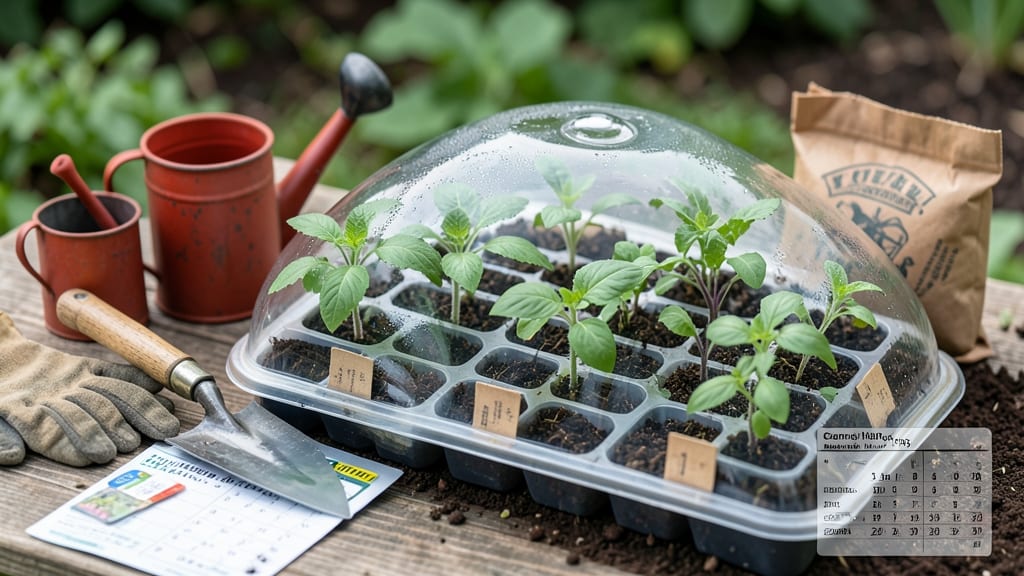
Timing your garden planting perfectly can mean the difference between a thriving harvest and wasted effort—yet most gardeners miss the ideal window by weeks. Whether you're in USDA Zone 6a or another region, knowing when to start seeds indoors versus planting directly in the soil is the key to success.
For a spring garden like the one you're dreaming of, the last frost date is your best friend. In Zone 6a, that typically falls around April 15, giving you a clear signal to begin planting after the ground warms to 60°F.
But what if your microclimate runs cooler or warmer than the average?
I'll show you how to adjust your planting schedule based on your specific location, soil conditions, and even sun exposure. You'll learn which plants thrive when started indoors 6-8 weeks before the last frost, and which can go straight into the ground once temperatures rise.
By the end, you'll have a customized planting plan that accounts for your unique growing conditions—so you can enjoy a bountiful harvest from June through October. Let's get your garden off to the right start!
USDA planting zones & last frost dates: when to start seeds indoors vs outdoors
Getting your garden timing right starts with understanding your USDA hardiness zone. These zones divide North America into 13 regions based on average minimum winter temperatures, helping you predict last frost dates and ideal planting windows.
For example, Zone 5 has last frosts around April 15, while Zone 8 sees them as early as March 1. Knowing your zone ensures you plant cool-season crops early enough to avoid frost damage while warm-season plants get a head start indoors.
Most gardeners focus on last frost dates to determine when to transplant seedlings outdoors. However, the real magic happens with seed-starting indoors.
Warm-season crops like tomatoes and peppers need 6-8 weeks of indoor growing before the last frost, while cool-season crops like lettuce and spinach can often go straight into the soil 2-4 weeks before your expected last frost. Adjust these timelines based on your local climate—some areas have unpredictable frost patterns!
Here’s how to use your USDA zone and last frost date to plan: 1. Find your zone via the USDA Plant Hardiness Zone Map (type it into your browser). 2. Note your average last frost date (check local almanacs or weather services).
3. For warm-season crops, start seeds indoors 6-8 weeks before your last frost. 4. For cool-season crops, sow seeds outdoors 2-4 weeks before the last frost.
Pro tip: If you’re in Zone 6a like many gardeners, your last frost date is likely around April 15. This means you should start tomatoes and peppers indoors by February 1 to transplant them outside by April 25.
For cool-season crops, like kale or carrots, you can sow seeds directly into the soil as early as March 15.
But here’s the catch: microclimates can shift your planting window by weeks. A south-facing slope warms up faster than a low-lying area, while a shady spot might stay cold longer. Always adjust your last frost date by observing your garden’s unique conditions—more on this in the next section!
For warm-season crops, like cucumbers and squash, wait until the soil temperature reaches at least 60°F before transplanting. Use a soil thermometer to check—cold soil can stunt growth or cause rot. If your soil is slow to warm, consider using black plastic mulch to speed up the process.
Don’t forget about fall planting! Many gardeners overlook the fact
Microclimate adjustments: how to tweak planting times for sun exposure, wind, and soil conditions
Your garden's microclimate—those tiny weather variations within your yard—can shift planting times by weeks. A sunny south-facing patch might be ready for tomatoes 2 weeks earlier than a shady corner, while a windy hilltop could delay your cool-season crops until after frost risk passes.
Understanding these nuances lets you extend your growing season and protect delicate plants.
Start by observing your garden's sun exposure patterns. Use a sun mapping tool or track sunlight with a simple timer for a week. Note which areas get morning sun, afternoon shade, or full sun all day.
For example, a tomato plant needs 6+ hours of direct sun, but in a partial shade microclimate, you might delay planting until late spring or choose shade-tolerant varieties like 'Stupice' tomatoes.
Wind is another game-changer. Exposed areas dry out faster and stress young seedlings.
If your garden sits in a wind tunnel (like near a hill or open field), consider: - Windbreaks: Plant tall grasses, shrubs, or evergreens on the windward side. - Low-profile planting: Use raised beds or containers to keep plants closer to the ground. - Delayed planting: Wait until after local wind patterns shift (often post-May in many regions).
- 🌞 Sun Exposure: Full sun (6+ hrs) = plant 2 weeks early; partial shade = delay by 1-3 weeks.
- 💨 Windy Areas: Use windbreaks or choose compact varieties to avoid damage.
- 🌱 Soil Temperature: Wait until soil hits 60°F+ for warm-season crops (e.g., peppers, cucumbers).
- 🌿 Shady Spots: Opt for leafy greens, herbs (like cilantro), or shade-tolerant flowers.
- 🌡️ Heat Sinks: Pavement or dark soil = warmer microclimate; plant heat-lovers (e.g., okra) 1 week earlier.
Soil conditions also dictate timing. Heavy clay soil stays cold longer, while sandy loam warms up faster. Test your soil's temperature at planting depth (usually 2-3 inches down) with a soil thermometer.
Warm-season crops like peppers and eggplants need soil at 70°F+, while cool-season crops (spinach, peas) thrive in 40-60°F soil. If your soil is slow to warm, try black plastic mulch to raise temperatures by 5-10°F.
Don’t overlook urban microclimates. Cities often have heat islands where pavement and buildings trap warmth, letting you plant warm-season crops 1-2 weeks earlier than rural areas. Conversely, low-lying areas may experience later frosts, so hold off on planting until after your local frost-free date—not the county average.
Pro tip: Monitor your microclimate for a full season before planting. Use a weather station or even a DIY thermometer to track temperature fluctuations. By aligning your planting schedule with these local conditions, you’ll boost yields, reduce stress on plants, and enjoy a longer harvest window. 🌱