
Trees
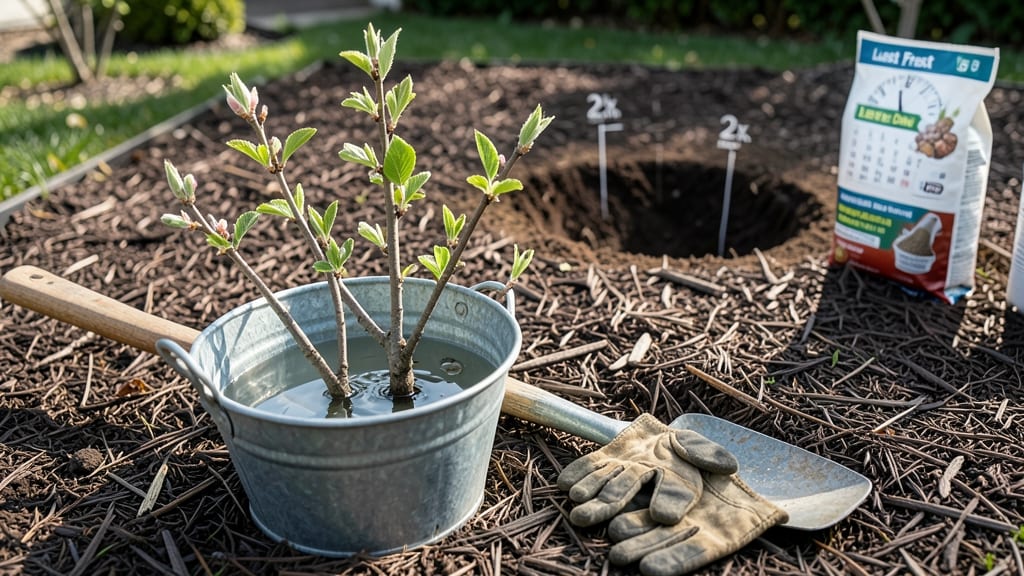
Timing your fruit tree planting in Zone 5 wrong could mean the difference between a lush harvest and a sad, frost-bitten sapling.
This isn't just about throwing a tree in the ground when it's convenient—it's about matching your variety to your climate's chill hours and avoiding those cruel late frosts that can wipe out young roots.
I've seen gardeners rush planting because they think "spring" means "now," only to watch their investment wither before summer even arrives. The truth? Zone 5 demands patience—whether you're planting in early spring (before buds swell) or fall (6-8 weeks before frost).
Let me show you exactly when to dig, how to protect your tree, and which varieties will actually thrive in your backyard.
We'll cover the science behind chill hours (yes, your peach tree cares about winter cold!) and practical tips like soil temperature checks that most guides skip. No more guessing—just proven strategies to give your fruit trees the strong start they need before winter's next attack.
Ready to plant with confidence? Let's break down the perfect windows, the varieties that perform best in your zone, and the simple care tricks that keep your trees growing like they're in a greenhouse—not a frozen tundra.
Zone 5 chill-hour requirements by fruit tree type: matching varieties to your climate
Zone 5 gardeners face a unique challenge: balancing chill hours (the number of hours below 45°F needed for fruit tree dormancy) with frost dates. Most fruit trees need 500-900 chill hours to produce fruit, and planting the wrong variety can leave you with blooms that never set fruit.
For example, peaches and plums often require 600-800 chill hours, while apples can thrive with 500-900 chill hours depending on the cultivar.
To find your local chill hours, check your USDA Hardiness Zone map and consult local agricultural extensions. For instance, Chicago (Zone 5b) averages 700-800 chill hours, while Syracuse (Zone 5a) sees 600-700 chill hours.
Mismatched varieties—like planting a low-chill peach in a high-chill area—can result in poor fruit set or no fruit at all.
Here’s how to match fruit trees to your Zone 5 climate using chill-hour requirements:
| Fruit Tree | Chill Hours Needed | Zone 5 Varieties | Notes |
|---|---|---|---|
| Apple | 500-900 | Honeycrisp, Fuji, Liberty | Dwarf varieties adapt well to small spaces. |
| Peach | 600-800 | Redhaven, Elberta, Reliance | Susceptible to late frosts; plant in sheltered spots. |
| Cherry | 500-700 | Montmorency, Stella, Lapins | Sweet cherries need cross-pollination. |
| Plum | 500-800 | Stanley, Santa Rosa, Methley | Dwarf varieties like 'Patio' work for containers. |
| Pear | 400-600 | Bartlett, Anjou, Moonglow | Thin fruit if overloaded for better size. |
For stone fruits like peaches and plums, prioritize varieties labeled as "low-chill" if your area hovers around 600 chill hours. For pome fruits (apples and pears), broader chill-hour ranges give you more flexibility.
Always verify varieties with your local nursery, as microclimates (like south-facing slopes) can add 50-100 extra chill hours.
If you’re unsure about your chill hours, use a chill-hour calculator or ask your county extension office. For example, Pennsylvania’s chill hours vary drastically between Philadelphia (600) and Erie (800), even within the same zone.
Planting a high-chill apple in Erie might work, but the same tree in Philadelphia could struggle to fruit.
Pro tip: Pair two compatible varieties for cross-pollination, especially with apples and cherries. For instance, planting Honeycrisp and Fuji together ensures better fruit set. Just ensure both varieties share similar chill-hour needs and bloom times.
Once you’ve matched your trees to your chill hours, focus on soil preparation and planting timing. Well-draining soil with a pH of 6.0-7.0 is ideal, and planting in early spring (before buds swell) or fall (6-8 weeks before frost) gives roots time to establish before winter’s chill sets in.
Remember, chill hours ≠ frost tolerance. A tree might meet your chill-hour needs but still suffer from late spring frosts. Choose varieties with late bloom times (like 'Reliance' peaches) to reduce frost risk during flowering.
Optimal planting windows for Zone 5 fruit trees: frost-proof timing by month
Zone 5 gardeners have two prime windows to plant fruit trees: early spring and fall, each with unique advantages. Spring planting lets roots establish before summer heat, while fall planting gives trees a head start on root growth before winter dormancy.
The key is avoiding late frosts (typically after April 15) and ensuring soil temperatures stay above 40°F.
For bare-root trees, early spring (March-April) is ideal—plant as soon as soil is workable but before buds swell. Containerized trees offer more flexibility, allowing planting up to 2 weeks later than bare-root varieties.
Always check your local last frost date (usually late May in Zone 5) to time planting correctly.
Fall planting (September-October) works best when done 6-8 weeks before first frost. This gives roots time to establish without competing with summer heat. For Zone 5, aim to plant by mid-October in most regions. Use mulch (4-6 inches) to insulate roots during winter.
- 📅 March-April (Early Spring): Plant bare-root trees as soon as soil thaws (target 40°F).
- 🌱 April-May (Late Spring): Containerized trees can be planted up to 2 weeks after bare-root.
- 🍂 September-October (Fall): Plant 6-8 weeks before first frost (usually by mid-October).
- ❄️ Avoid Planting: After April 15 (risk of late frost) or after November 1 (insufficient root growth).
Soil temperature is critical—use a soil thermometer to confirm it’s above 40°F before planting. Cold soil slows root growth, leaving trees vulnerable to winter stress. In southern Zone 5 (warmer microclimates), you might push spring planting to early May, but always monitor forecasts for late frosts.
Containerized trees adapt better to late planting than bare-root varieties. If you miss the spring window, opt for container-grown trees in May-June, but water deeply and mulch heavily to compensate for delayed root establishment. Fall-planted trees benefit from deep watering before frost to encourage root expansion.
Protect young trees from winter desiccation (dry winter winds) by wrapping trunks with tree guard and applying anti-desiccant spray in late fall. In Zone 5, where winter temperatures can drop below -10°F, proper planting timing and winter care are equally vital for long-term success.