
Plants
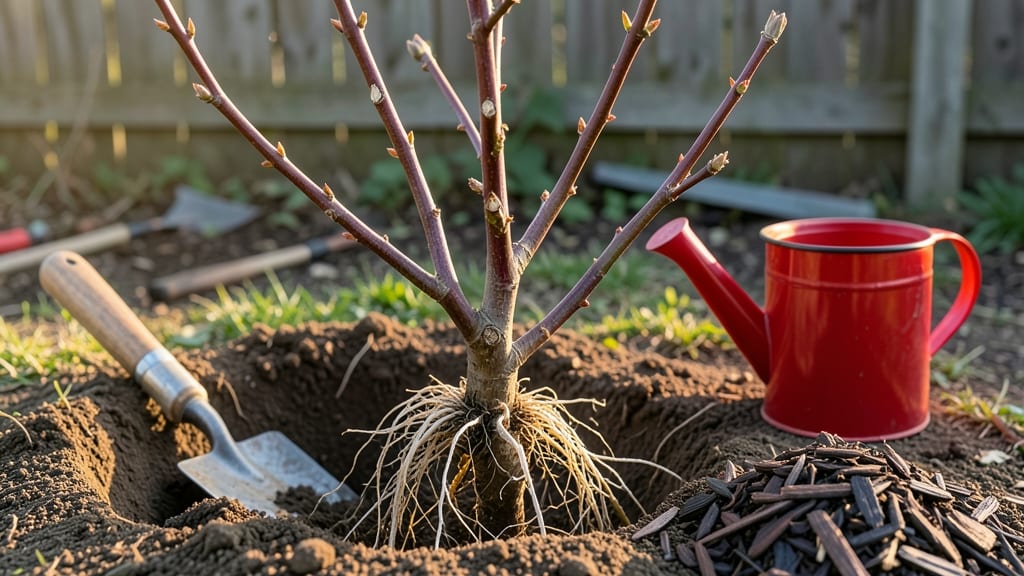
Planting bare root roses in California isn't just about grabbing a shovel—it's about timing it perfectly to avoid frost damage and give your 🌹 the best shot at thriving.
With USDA zones ranging from 7b to 11, your coastal neighbors might be planting while inland gardeners are still bundling up.
If you've ever wondered why some roses bloom like clockwork while others struggle, the answer likely lies in when they hit the soil. I'll show you exactly which months work best for your specific zone, so you can skip the guesswork and get straight to stunning blooms.
Whether you're in frost-free Zone 10a or the milder coastal 9b, knowing the ideal window makes all the difference. Let's dive into the science behind California's planting calendar and how to prepare your roses for success.
From soil temperature checks to microclimate tricks, I'll cover everything you need to plant with confidence. Your future roses will thank you—starting with that first perfect bloom in spring.
California’s best planting months for bare root roses by USDA Zone (avoid frost zones 7-10)
Bare root roses thrive when planted during their dormant season, which in California aligns perfectly with winter months. The key is avoiding frost risk while ensuring soil temperatures stay above 50°F (10°C).
Coastal areas like San Diego (Zone 10) have zero frost risk, while inland valleys like Sacramento (Zone 7) face occasional chilly nights.
For most of California, the ideal planting window spans from November through March. This timing ensures roses establish roots before the spring heat surge and avoids transplant shock during summer's peak temperatures. Let’s break down the best months for each USDA zone to maximize success.
⚠️ NON-NEGOTIABLE: Planting outside these windows can lead to root desiccation (coastal) or frost damage (inland). Always check your local frost dates—even in Zone 10, unexpected cold snaps can occur.
| USDA Zone | Best Planting Months | Frost Risk | Soil Temp Requirement | Microclimate Notes |
|---|---|---|---|---|
| Zone 7 (Sacramento, Fresno) | November–February | High (Nov–Jan) | 50–55°F (10–13°C) | Use row covers; avoid planting after January 15. |
| Zone 8 (Los Angeles Basin) | November–March | Low (occasional) | 55–60°F (13–16°C) | Coastal areas can plant into early April. |
| Zone 9 (Desert, Palm Springs) | November–February | None | 55–65°F (13–18°C) | Avoid summer planting; roots dry out fast. |
| Zone 10 (San Diego, Coastal) | November–March | None | 60–65°F (16–18°C) | Can plant year-round, but winter is ideal. |
If you’re in Zone 7 (e.g., Sacramento or Fresno), prioritize planting by January 15 to avoid late-season frosts. For Zone 8 (Los Angeles), you have more flexibility—planting through March is safe, but soil prep should start in November for optimal root growth.
In Zone 9 and 10, frost isn’t a concern, but soil moisture is critical. Desert areas (Zone 9) benefit from mulching to retain winter humidity, while coastal zones (Zone 10) can handle planting into early spring without risk.
Pro tip: Check your local almanac for 10-year frost averages. For example, Santa Barbara (Zone 9b) rarely sees frost, but San Francisco (Zone 7b) can have unexpected cold snaps in December. Adjust your timeline accordingly!
For gardeners in transition zones (e.g., Santa Cruz Mountains), monitor soil temperature with a thermometer. Aim for 50°F (10°C) at 6-inch depth—this is your green light to plant. If temps dip below 40°F (4°C), delay until conditions stabilize.
Remember: Bare root roses are dormant, so they won’t show immediate growth. Patience is key—focus on root establishment over visible blooms. With the right timing, your roses will reward you with vibrant blooms by summer.
🌹
California’s best planting months for bare root roses by USDA Zone (avoid frost zones 7-10)
California’s diverse climate means your bare root rose planting window depends heavily on your USDA zone. While most of the state enjoys mild winters, Zone 7 areas (like parts of the Sierra foothills) still face frost risks.
For Zones 8-10, you’ve got more flexibility, but timing still matters to avoid heat stress during establishment.
The ideal planting window spans from November through March, aligning with California’s dormant season. This timing lets roots establish before summer’s intense heat. Coastal areas (Zones 9b-10a) can even plant into early April with minimal risk, while inland valleys (Zones 7b-9a) should finish by late February.
🌹
| USDA Zone | Best Planting Window | Key Climate Note | Frost Risk |
|---|---|---|---|
| 7b (Sierra Foothills) | Nov 15 - Feb 15 | Cold nights, dry soil | High (Dec-Jan) |
| 8a (Central Valley) | Nov 1 - Mar 1 | Moderate temps, loamy soil | Low (occasional) |
| 9b (Coastal) | Nov 1 - Apr 15 | Mild, foggy winters | None |
| 10a (Southern Coast) | Nov 1 - Apr 30 | Warm winters, minimal frost | None |
For Zone 7 gardeners, prioritize planting by mid-February to avoid late frosts that can damage new growth. In Zone 8-9, you can extend into March, but avoid planting after April 1—summer heat will stress newly planted roses before they establish.
Microclimates add another layer: Santa Barbara’s coastal zone (10a) can plant until May in mild winters, while Sacramento’s inland valley (Zone 8a) should finish by March 1 to prevent heat shock. Always check your local last frost date—California’s varies wildly!
Even in frost-free zones, soil temperature matters more than air temperature. Aim for 50°F+ soil at planting depth (6-8 inches). Use a soil thermometer—cooler soils delay root growth, while warmer soils (above 60°F) can cause root desiccation.
🌱