
Trees
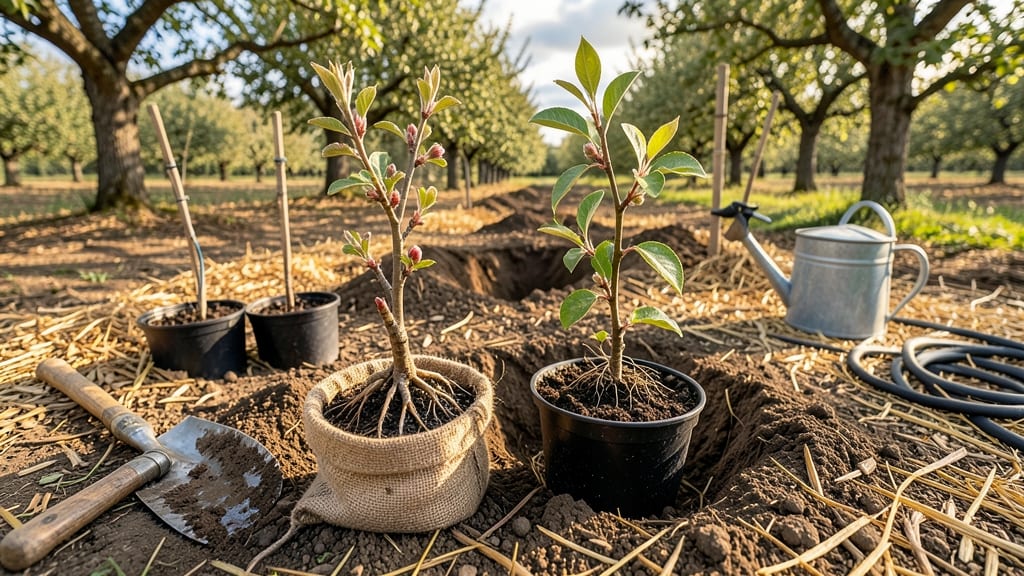
Timing your fruit tree planting in Washington can mean the difference between a thriving orchard and a sad, frost-bitten sapling. With USDA zones 5b-9a and microclimates that shift from damp Pacific coasts to dry eastern valleys, knowing exactly when to plant is critical for success.
If you’ve ever wondered why some gardeners in Western Washington plant in early March while those in the Yakima Valley wait until April, it’s all about chill hours and frost-free windows. Get it wrong, and your young 🍎 could struggle—or worse, never take root.
Let’s break down the ideal planting windows so you can set your trees up for a lifetime of harvests.
Most fruit trees—especially apples, cherries, and peaches—thrive when planted in late winter to early spring, but the exact timing depends on your region’s last frost date and soil temperature.
In Zone 8-9a areas, you might even squeeze in a fall planting, but we’ll cover all the nuances so you avoid costly mistakes.
I’ll walk you through the step-by-step timeline, including soil prep tips and how to adjust for urban vs. rural spots. By the end, you’ll know exactly when to dig in—and why waiting (or rushing) could spell disaster for your orchard dreams.
Washington’s chill-hour zones: how climate affects fruit tree planting timing
Washington’s climate varies dramatically from the cool, wet Pacific Northwest to the drier, warmer eastern regions. These differences create distinct chill-hour zones—critical for fruit trees like apples, cherries, and peaches.
Chill hours (temperatures between 32°F and 45°F) trigger dormancy and ensure proper flowering. Planting outside your zone can lead to poor fruit set or no harvest at all.
For example, apples need 500–1,200 chill hours, while peaches thrive with 200–800 hours. Western Washington’s cooler, wetter climate (e.g., Zone 7b–8a) often meets these needs, but Eastern Washington’s warmer, drier zones (e.g., Zone 5b–7a) may require low-chill varieties like ‘Redhaven’ peaches or ‘Honeycrisp’ apples.
To find your exact chill-hour zone, check the WSU Extension’s climate maps or use a local nursery’s recommendations. Tools like the USDA Plant Hardiness Zone Map also help, but chill hours are more precise for fruit trees.
For instance, Spokane (Zone 6a) has ~1,000 chill hours, while Seattle (Zone 8a) averages ~800 hours.
Here’s how chill hours dictate planting timing:
| Region | Chill Hours | Best Planting Window | Recommended Varieties |
|---|---|---|---|
| Western WA (Seattle, Olympia) | 800–1,200 | Late Feb–April | ‘Fuji’ apples, ‘Bing’ cherries, ‘Rainier’ cherries |
| Eastern WA (Spokane, Wenatchee) | 500–1,000 | March–early May | ‘Redfree’ peaches, ‘Zestar!’ apples, ‘Lapins’ cherries |
| Cascade Mountains (Leavenworth, Snoqualmie) | 1,000–1,500 | April–May (avoid early frost) | ‘Gala’ apples, ‘Sweetheart’ cherries, ‘Honeycrisp’ apples |
| Columbia Basin (Yakima, Pasco) | 300–700 | Late March–early April | ‘Sierra’ peaches, ‘GoldRush’ plums, ‘Crimson Crisp’ apples |
🌱 Note: Adjust timing for microclimates (e.g., urban heat islands or frost pockets).
In Western Washington, where mild winters and high humidity prevail, planting bare-root trees in late February or March gives roots time to establish before spring rains. In contrast, Eastern Washington’s colder nights and warmer days often delay planting until April to avoid late frost damage.
For container-grown trees, you can plant year-round (except winter), but bare-root trees must go in during dormancy—typically November–March. If you miss the window, wait until early spring when soil temperatures rise above 40°F.
Always check local frost dates—Western WA’s last frost is often March 15, while Eastern WA can see frost until May 1 in high-desert areas.
Planting too early risks root freeze, while planting too late may delay growth. Use WSU’s frost maps or ask a local nursery for precise guidance.
Pro tip: If you’re in a transition zone (e.g., 500–800 chill hours), opt for low-chill varieties like ‘Crimson Topaz’ apples or ‘Reliance’ peaches. These adapt better to warmer winters and still produce fruit. Always confirm with your local extension office for variety-specific advice.
Step-by-step planting timeline: when to plant by fruit tree type
Washington’s fruit tree planting window hinges on chill-hour requirements and frost-free dates. Most varieties thrive when planted in late winter to early spring, but timing varies by species and region.
For Western WA, aim for February to April, while Eastern WA gardeners should plant between March and May to avoid late frosts.
Bare-root trees—common in nurseries—are best planted during their dormant season (November to March), but container-grown trees offer more flexibility, allowing planting year-round except in winter. Always check your USDA zone (5b–9a) and chill-hour zone (200–1,200+ hours) to match your tree’s needs.
🍎 Apples, pears, and cherries need 300–1,200 chill hours and should go in the ground 2–4 weeks before your last frost date. In Western WA, that’s typically mid-March, while Eastern WA waits until early April. These trees benefit from cool soil temperatures (40–50°F) to encourage root growth.
📅 Step-by-Step Planting Timeline for Washington Fruit Trees
- 🌱 Late Winter (Feb–Early Mar): Plant bare-root apples, pears, or cherries in Western WA. Amend soil with compost and mycorrhizal fungi for root health.
- 🌿 Early Spring (Mar–Apr): Ideal for container-grown trees (e.g., peaches, plums, apricots) in Eastern WA. Prune damaged roots and stake young trees.
- ☀️ Late Spring (May): Plant low-chill varieties (e.g., figs, persimmons) in sheltered microclimates. Mulch heavily to retain moisture.
- 🌳 Fall (Sep–Oct): Avoid planting—focus on soil prep or container overwintering for tropical fruit trees (e.g., citrus).
- ❄️ Winter (Nov–Jan): Only plant bare-root trees in dormant season. Keep soil moist but not soggy until spring.
Adjust your timeline for urban gardens by choosing dwarf varieties (e.g., columnar apples) that establish faster in small spaces. In high-desert areas (e.g., Wenatchee), plant 1–2 weeks later to escape late spring frosts, which can kill blossoms before fruit sets.
Pro tip: Use a soil thermometer to confirm 50°F soil temps before planting—cooler soils reduce transplant shock. Water deeply immediately after planting and mulch with wood chips to lock in moisture. For container-grown trees, remove the pot and loosen roots gently to prevent girdling.
If you miss the ideal window, container-grown trees can be planted in early fall, but avoid planting after August 15—new roots won’t establish before winter. For bare-root trees, store them in a cool, moist place (32–40°F) and replant the following winter.