
Flowers
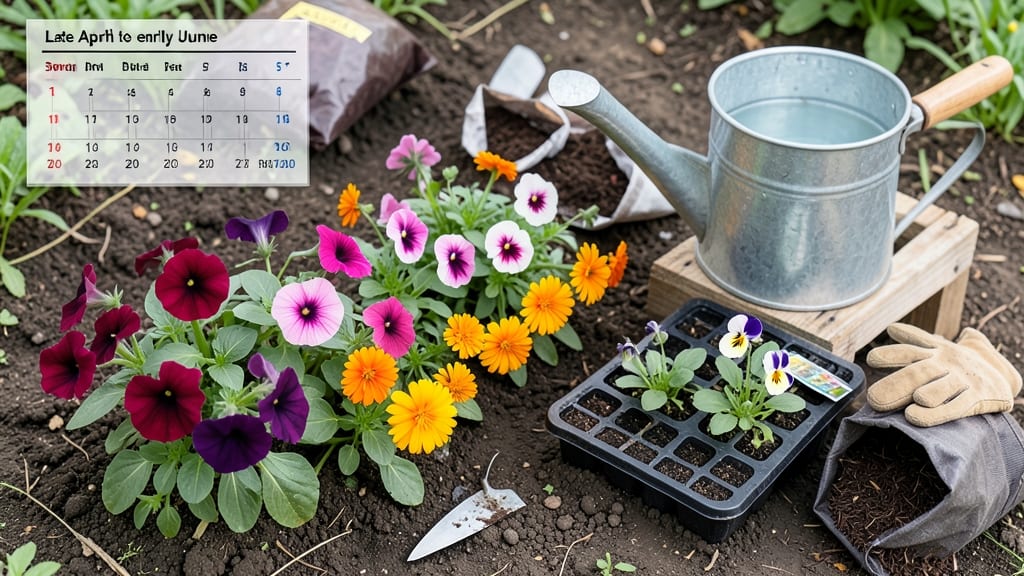
Knowing when to plant flowers in Zone 6b isn’t just about picking a random weekend—it’s the difference between a garden bursting with color and one that struggles to take root.
With frost dates swinging wildly between April and May, timing matters more than you might think, especially when you’re dreaming of those first 🌸 blooms of spring.
Let’s cut through the guesswork. Whether you’re planting hardy perennials or delicate annuals, the right window ensures your flowers thrive, not just survive. I’ll walk you through the exact months to start seeds indoors, transplant tender plants, and even extend your blooming season with smart fall planting.
No more waiting until it’s too late!
Zone 6b’s unique climate means you can’t treat every flower the same. Some varieties, like tulips, demand early spring action, while others, like cosmos, love the warmth of late summer. We’ll break down the best times for each type so you can plan ahead—and avoid the heartbreak of frost-nipped petals.
Ready to turn your garden into a year-round showstopper? Let’s dive into the science-backed schedule that’ll have your flowers flourishing from spring through fall. You’ll learn how to prep your soil, pick the right varieties, and even troubleshoot common mistakes before they happen.
Zone 6B frost dates: exact months to plant flowers safely
Understanding Zone 6B frost dates is the foundation of successful flower gardening in this climate zone. With average last frost dates between April 15 and May 15, and first frosts arriving October 15 to November 15, timing becomes everything for your annuals, perennials, and bulbs.
These dates create a 165-day frost-free window—your prime growing season.
For heat-tolerant flowers like zinnias or cosmos, you can push planting dates slightly later, but frost-sensitive varieties like petunias or marigolds need to wait until soil temperatures hit at least 60°F.
In northern parts of Zone 6B (e.g., Chicago, IL), last frost may linger until May 15, while southern areas (e.g., Lexington, KY) often see frost-free conditions by April 15.
Here’s the critical rule: Plant annual flowers 2-4 weeks after your local last frost date, and perennials and bulbs can go in 4-6 weeks before the first frost. This timing ensures roots establish before extreme heat or cold sets in.
| Season | Frost Window | Planting Time | Best Flowers |
|---|---|---|---|
| Spring | After April 15 | April 30 - May 15 | Tulips, Pansies, Snapdragons |
| Summer | Frost-free | May 15 - September 1 | Petunias, Marigolds, Zinnias |
| Fall | Before October 15 | August 15 - September 15 | Cosmos, Asters, Mums |
| Winter | Before November 15 | October 1 - November 1 | Crocuses, Daffodils, Hellebores |
If you’re planting bulbs in fall, aim for 6-8 weeks before the first frost—typically late September to early October. This gives roots time to establish before winter dormancy. For spring-blooming bulbs like tulips or daffodils, plant them in October or November for early spring color.
Pro tip: Use a soil thermometer to confirm 60°F soil temperatures before planting heat-sensitive annuals. Cold soil can stunt growth, even if air temperatures are warm. In Zone 6B microclimates near lakes or rivers, frost dates may shift slightly—monitor local weather reports for adjustments.
For container gardening, you have more flexibility. Move pots indoors or to sheltered spots when nighttime temperatures drop below 40°F. This extends the season for tender perennials like geraniums or coleus by 4-6 weeks.
Common mistake alert: Planting cool-season flowers like pansies too late in spring or warm-season flowers like sunflowers too early. Match your flower varieties to the temperature trends—not just the calendar date.
Track your local frost dates using resources like the USDA Plant Hardiness Zone Map or your local cooperative extension service. These tools provide hyper-local data that beats generic guidelines every time.
With these Zone 6B frost dates as your guide, you’ll avoid the heartbreak of frost-nipped blooms and maximize your garden’s potential for bold, vibrant color all season long. 🌷
Best flowers to plant by month in Zone 6B for year-round color
Zone 6B gardeners can enjoy continuous blooms by planting flowers at the right time each month. Spring-bloomers like tulips and daffodils kick off the season, while summer annuals take over as temperatures rise. Even fall offers stunning options like mums and asters before winter sets in.
For maximum impact, align your planting schedule with local frost dates. April 15 marks the average last frost date, but microclimates can shift this by weeks. Always check your specific area’s frost-free window for precision.
For longer bloom seasons, pair flowers with companion plants that thrive in the same conditions. For example, marigolds deter pests near tomatoes, while nasturtiums add color and repel aphids from roses.
Pro tip: Use mulch around perennials in late fall to protect roots from freezing temperatures. A 2-3 inch layer of straw or shredded leaves insulates soil and retains moisture for spring planting.
Don’t forget to deadhead spent blooms regularly—this encourages continuous flowering and keeps gardens looking tidy. A quick 10-minute session every few days can double your blooms throughout the season!