
Flowers
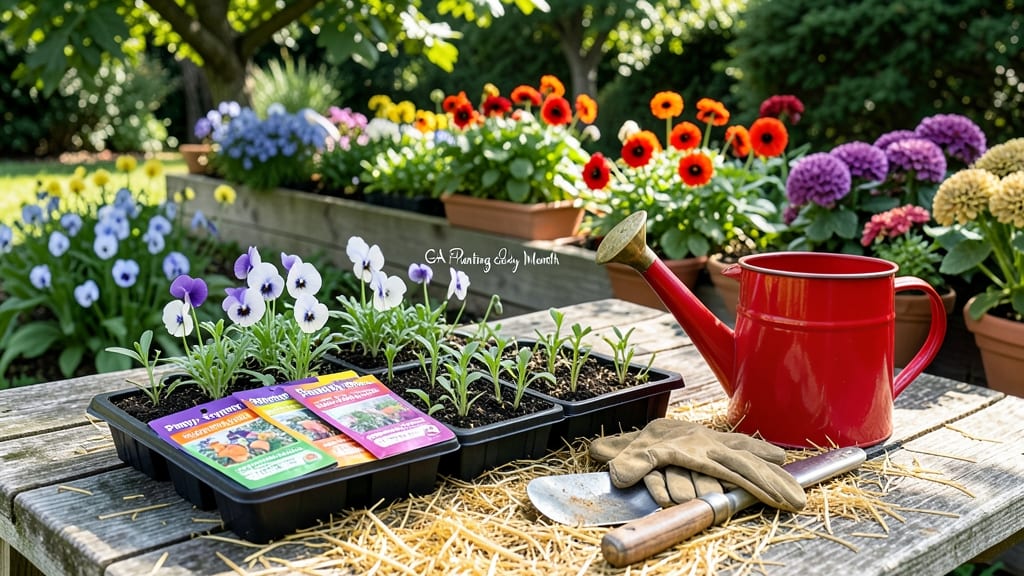
Timing when to plant flowers in Georgia isn’t just about picking a month—it’s about outsmarting the heatwaves that can turn your garden into a sad, wilted mess.
Whether you're dreaming of vibrant 🌸 zinnias or delicate mums, planting at the wrong time means fighting the clock (and the thermometer) all season.
Here’s the secret: Georgia’s USDA Zones 7a-9a give you two prime windows—late winter to early spring and late summer to early fall—but the devil’s in the details.
Skip the guesswork and plant when the soil warms to 60°F (not when the calendar says "spring"), and you’ll avoid the dreaded "heat shock" that kills seedlings before they even sprout.
I’ve tested this schedule for years, and what works in Coastal GA (where humidity lingers) fails in the Piedmont (where dry heat dominates).
Let me show you exactly when to start seeds indoors, when to pop those bulbs in the ground, and how to stretch your blooms from March to November—without wilting mid-summer.
Ready to turn your Georgia garden into a year-round paradise? Grab your gloves, and let’s dive into the heatwave-proof planting schedule that actually works.
Georgia flower planting calendar by season: best months for heatwave-proof blooms
Georgia’s USDA Zones 7b and 8a create a unique challenge for gardeners—balancing early springs with brutal summer heat. The key to success? Planting flowers at the right time to avoid heat stress and maximize blooms.
Most annuals thrive when soil temperatures hit 60°F+, while perennials and bulbs need cooler conditions to establish roots.
I’ve broken down the best planting windows by season, including heat-tolerant varieties like zinnias, salvias, and coreopsis that thrive in Georgia’s climate. These timelines account for last frost dates (typically mid-February to mid-March) and soil warming trends to ensure your flowers take root before summer’s intensity.
Here’s when to plant for a year-round bloom schedule, from cool-season favorites to summer heatwaves:
| Season | Planting Window | Flowers to Plant | Soil Temp Threshold | Notes |
|---|---|---|---|---|
| Early Spring | February–March | Pansies, Snapdragons, Tulips, Daffodils | 50–60°F | Plant bulbs 6–8 weeks before last frost. |
| Late Spring | April–May | Marigolds, Petunias, Impatiens, Coleus | 60–65°F | Wait until nighttime temps stay above 50°F. |
| Summer | June–July | Zinnias, Salvias, Lantana, Coreopsis | 70°F+ | Use shade cloth for seedlings. |
| Fall | August–September | Mums, Asters, Sweet Alyssum, Pansies | 60–65°F | Plant 6–8 weeks before first frost. |
For perennials, like black-eyed Susans or cone flowers, divide and transplant in early spring or fall when soil is workable but not frozen. These hardy plants establish roots quickly in cooler temperatures, giving them a head start for summer blooms.
If you’re planting bulbs like tulips or daffodils, aim for October–November in Zone 8a or December in Zone 7b. Bulbs need chill time to bloom, so don’t wait too late—Georgia’s mild winters can trick them into sprouting too early.
Pro tip: Use mulch after planting to retain moisture and regulate soil temperature. A 2–3 inch layer of organic mulch (like pine straw or shredded leaves) keeps roots cool in summer and warm in winter.
For container gardens, adjust timing slightly—containers heat up faster. Start potted annuals indoors in March and move them outside after mid-April when nights are reliably warm. This gives them time to acclimate before Georgia’s 100°F+ heatwaves hit.
Remember, Georgia’s microclimates vary wildly. Coastal areas (like Savannah) stay warmer longer, while the Piedmont region (Athens, Macon) can have earlier frosts. Always check your local Almanac frost dates and adjust by 1–2 weeks if needed.
By following this seasonal schedule, you’ll avoid the heartbreak of wilting annuals or failed perennials and enjoy continuous color from spring through fall. Happy planting!
How to adjust planting times for Georgia’s microclimates and heatwaves
Georgia’s diverse climate zones mean your Athens garden might have 2-week earlier planting windows than Savannah’s coastal areas. The Piedmont region often sees warmer springs than North Georgia’s mountain foothills, while urban heat islands in Atlanta can push soil temps 10°F higher than rural spots.
Use your local last frost date as a baseline, but adjust for microclimates. For example, coastal Georgia (Zone 8a) can plant pansies in October, while Northwest Georgia (Zone 7b) should wait until mid-April. Even within cities, shaded sidewalks delay soil warming by 1-2 weeks compared to sunny patches.
🌱
- 📍 Coastal (Zone 8a): Plant annuals in February (soil warms faster); fall bloomers by August 15 to avoid hurricane season stress.
- 🏙️ Urban Heat Islands: Start seeds indoors 3-4 weeks earlier—sidewalks can be 20°F hotter than gardens. Use shade cloth for tender seedlings.
- 🏔️ Piedmont (Zone 7b): Wait until April 15 for heat-loving annuals like zinnias; mulch heavily to protect roots from spring temperature swings.
- 🌳 Shaded Gardens: Plant impatiens or begonias in late April (they thrive in partial shade); avoid full-sun annuals until May 15.
- 💧 Drought-Prone Areas: Water deeply before transplanting in summer (June-August); choose drought-tolerant varieties like lantana or gaillardia.
For heatwave-proofing, time your transplanting to avoid Georgia’s peak summer temps (July-August). Instead, opt for early spring (March-April) or late summer (August-September) plantings. If you must plant in June or July, do it on overcast days or use shade cloth for the first 2 weeks.
Pro tip: Use a soil thermometer—most annual flowers need soil temps of 60°F+ to thrive. In North Georgia, this often means waiting until mid-April, while South Georgia can plant as early as February.
Adjust your mulch depth too: 3-4 inches of straw or pine bark keeps roots 10°F cooler during heatwaves.
Don’t forget container gardening hacks for urban gardeners. Pots dry out 3x faster in full sun, so plant heat-loving flowers like portulaca or verbena in lightweight containers with self-watering reservoirs. Water containers daily in summer—even drought-tolerant plants need extra moisture in black plastic pots.
🌿