
Companion Plants
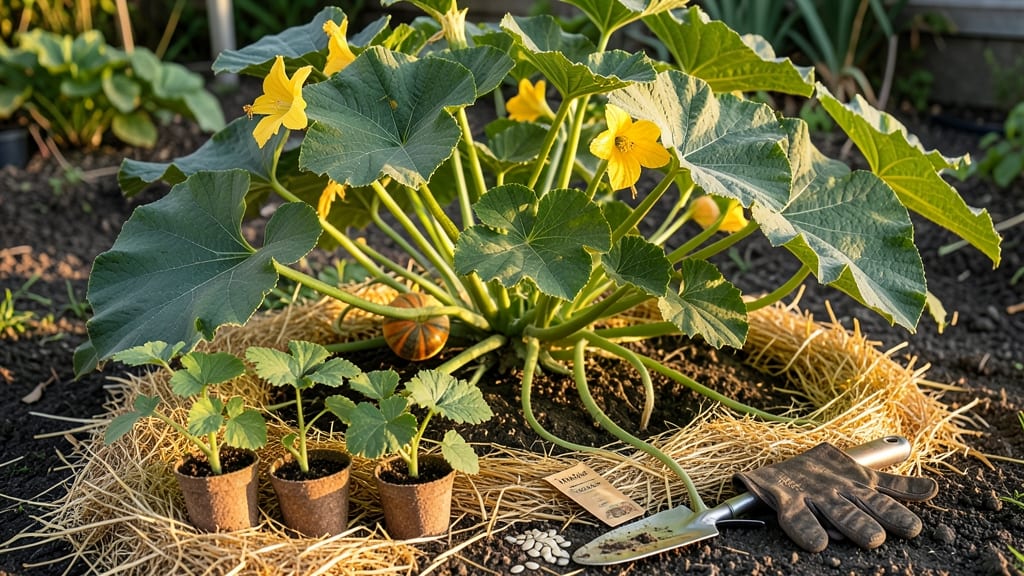
Timing your pumpkin planting in Ohio isn’t just about luck—it’s about strategy. With USDA Zones 6a-6b and Ohio’s unpredictable spring weather, planting too early risks frost damage, while waiting too long cuts your harvest short.
The key? Waiting until after the last frost (typically mid-April) and when soil temperatures hit 60°F—a window that can make or break your 🎃 crop.
If you’re wondering when to plant pumpkins in Ohio, the answer depends on whether you’re starting seeds indoors or sowing directly. Indoor starts give you a head start, but direct sowing after the last frost often yields stronger vines.
Either way, aim for late May to early June—just as summer settles in—to ensure your pumpkins have 90-120 days of warm weather to mature.
Ohio’s climate throws curveballs, but with the right approach, you can outsmart them. From adjusting for northern vs. southern Ohio’s microclimates to choosing fast-maturing varieties, this guide will help you avoid common pitfalls.
Let’s dive into the exact steps to turn your garden into a pumpkin patch that rivals the pros.
Whether you’re growing for jack-o’-lanterns or pies, nailing the planting window is your first step to success. By the end, you’ll know not just when to plant, but how to give your pumpkins the best shot at thriving—no matter what Ohio’s summer throws your way.
Ohio pumpkin planting dates by USDA Zone 5-6: exact timing for maximum yield
Ohio’s USDA Zones 5-6 create a tight window for planting pumpkins—typically late May to mid-June—but getting the timing right means the difference between a bountiful harvest and a failed patch. The key is waiting until the soil temperature hits 55-60°F and all danger of frost has passed.
In northern Ohio (Zone 5), aim for after May 20th, while southern Ohio (Zone 6) can start as early as mid-May.
Pumpkins thrive in Ohio’s warm summers but need 100-120 frost-free days to mature. Since Ohio’s first frost usually hits mid-October, you’re working with a 165-day window—just enough for fast varieties. Planting too early risks cold soil and stunted growth, while late planting may leave pumpkins undersized by Halloween.
For direct sowing (planting seeds outdoors), Ohio gardeners should wait until nighttime temperatures stay above 60°F consistently. Use a soil thermometer to confirm—pumpkin seeds won’t sprout below 55°F.
If you’re starting seeds indoors, begin them 4-6 weeks before your target outdoor planting date to give seedlings a head start.
Here’s a quick rule of thumb: Count backward from your first frost date (usually October 15th in Ohio) and plant pumpkins 100-120 days before. For example, if your frost date is October 10th, aim for a June 20th planting. This ensures your pumpkins mature before cold snaps arrive.
🎃 Ohio Pumpkin Planting Timeline by Zone 🎃
| Zone | Last Frost Date | Ideal Planting Window | Soil Temp Requirement | Harvest Window |
|---|---|---|---|---|
| Zone 5 (Northern OH) | Mid-April | Late May to June 10 | 55-60°F | Late Sept - Early Oct |
| Zone 6 (Southern OH) | Early April | Mid-May to June 15 | 55-60°F | Mid-Sept - Mid-Oct |
| Microclimates (Urban/Valleys) | Varies (1-2 weeks earlier) | Early May to June 5 | 55-60°F | Late Sept - Early Oct |
Ohio’s microclimates can shift planting dates by 1-2 weeks. Urban areas like Columbus often warm up faster than rural zones, while valleys (like those in the Appalachian region) may stay cooler. If you’re in a warmer microclimate, you can plant 1-2 weeks earlier—just monitor soil temps closely.
Conversely, higher elevations (e.g., Cleveland area) may need to delay until June 1st.
For fast-maturing varieties (like ‘Jack Be Little’), you can push the envelope and plant as late as June 20th in Zone 5, but expect smaller pumpkins. Standard varieties (e.g., ‘New England Pie Pumpkin’) need the full 100-120 days, so stick to the May-June window for best results.
If you’re growing pumpkins for Halloween displays, prioritize early-maturing types to ensure size and quality.
Pro tip: Use black plastic mulch to warm the soil faster—this can shave 1-2 weeks off your planting timeline. Lay it down 1 week before planting to accelerate soil heating. Pair this with row covers if an unexpected late frost threatens, giving your young plants a protective buffer.
Remember, Ohio’s summer heat can stress pumpkins if they’re planted too late. Aim for early June plantings to give vines time to establish before the July-August heat peak. Overheated soil can stunt growth, so mulch heavily to retain moisture and regulate temperature.
Finally, keep an eye on your local almanac for 3-year frost averages—Ohio’s weather patterns can shift yearly. If you’re unsure, plant a test row 2 weeks early and one 2 weeks late to hedge your bets. This insurance planting strategy can save your harvest if spring is delayed.
How to adjust pumpkin planting for Ohio’s unpredictable weather: frost, heat, and soil tips
Ohio’s weather can swing from late frosts in May to unseasonable heat by July, making pumpkin planting a delicate balance. The key is adapting your strategy to protect tender seedlings and ensure a successful harvest despite Mother Nature’s mood swings.
I’ve learned the hard way—skipping these adjustments can leave you with wilted vines or stunted fruit.
First, always monitor soil temperatures with a soil thermometer. Pumpkin seeds need consistent warmth (at least 60°F) to germinate. If your soil is cooler than that, use black plastic mulch or row covers to warm it up faster.
I’ve seen 3-5°F temperature jumps in just a few days with this trick!
For gardeners in northern Ohio (Zone 5a), start seeds indoors 4-6 weeks before your last frost date (usually mid-May). Transplant hardened-off seedlings outdoors only after two weeks of warm nights (above 50°F).
In southern Ohio (Zone 6b), you can direct-sow seeds 2-3 weeks earlier, but always wait until the soil is workable—not just the air temperature.
⚠️ Warning: Frost Can Ruin Your Patch!
If an unexpected frost threatens after planting, cover seedlings with frost cloth or old bedsheets. Remove covers during the day to avoid heat stress. I once lost an entire row of ‘Howden’ pumpkins because I ignored a 32°F morning—don’t make my mistake!
🌱 Pro Tip: Use straw mulch around plants to insulate roots and retain moisture.
Ohio’s summer heat (often hitting 90°F+) can stress pumpkin vines, especially during flowering and fruiting. To combat this, I water deeply in the morning (1-2 inches per week) and mulch heavily with straw or grass clippings.
This keeps roots cool and reduces evaporative stress. Avoid overhead watering at night—it promotes fungal diseases like powdery mildew, which thrives in Ohio’s humid summers.
If your growing season feels too short (common in Zone 5a**), opt for fast-maturing varieties (75-90 days) like ‘Jack Be Little’ or ‘Small Sugar’. These can escape early frosts while still producing carving-sized pumpkins.
For longer seasons, ‘New England Pie Pumpkin’ (90-100 days) is a classic, but plant it early—by May 15th in most of Ohio.
Finally, extend your season with a cold frame or low tunnel if you’re eager for an earlier harvest. I’ve used these to push pumpkins to maturity 2-3 weeks sooner in cool springs.
Just remove the cover once vines are established to avoid overheating. With these adjustments, you’ll turn Ohio’s unpredictable weather into an advantage—not a setback!