
Flowers
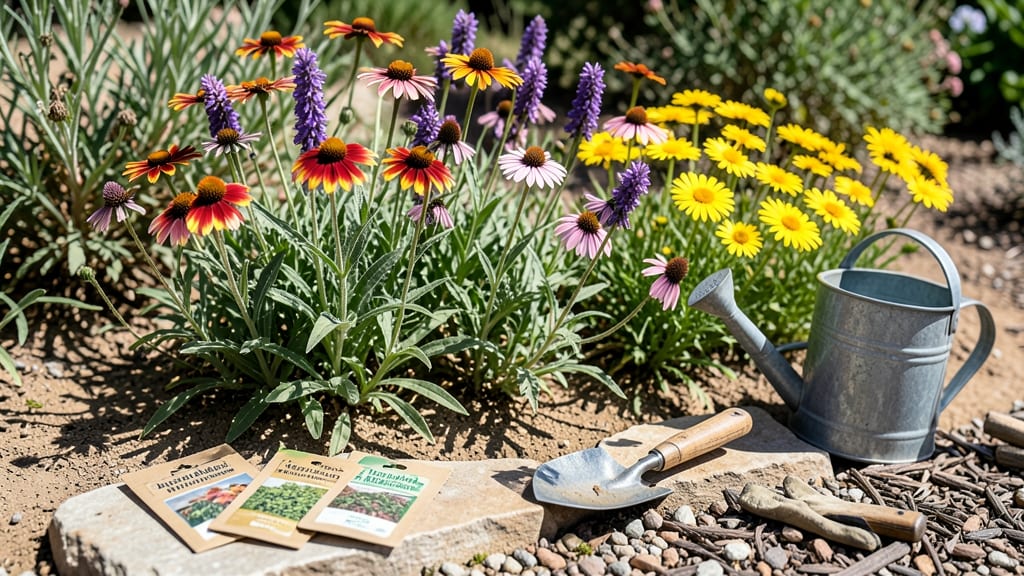
Timing your flower planting in Arizona isn’t just about following a calendar—it’s about outsmarting the desert’s brutal heat and unpredictable monsoons. Plant too early, and your delicate blooms will wilt before they even take root.
But nail the September-to-March window, and you’ll unlock a garden that thrives with stunning 🌸 blooms while using zero extra water.
Most Arizona gardeners make the same costly mistake: rushing to plant in spring when the sun is unforgiving. The key is patience—fall and winter offer cooler temps, allowing roots to establish before summer’s scorching days.
Whether you’re growing drought-resistant natives or vibrant annuals, the right timing means the difference between a thriving garden and a sad, sunburnt disappointment.
I’ve tested what works in USDA Zone 9b for years, and the secrets are simpler than you think. From choosing the right flowers for your microclimate to watering strategies that beat the heat, this guide will show you exactly when to plant for maximum blooms with minimal effort.
Let’s get your desert garden looking its best—without the guesswork.
Ready to transform your yard into a year-round paradise? The best time to start is now—just not in July. We’ll cover everything from frost-free prep to monsoon-proof planting, so you can enjoy your garden’s beauty without the stress. Let’s dive in!
Arizona flower planting calendar by region: best months for desert blooms
Arizona’s diverse climate—from the scorching Sonoran Desert to the cool high desert—means planting times vary wildly. In Phoenix and Tucson (USDA Zone 9b-10a), the best window is September through March, when daytime temps dip below 90°F.
Meanwhile, Flagstaff (Zone 7a) can plant as late as May thanks to cooler nights. The key? Align with monsoon rains and avoid summer heat stress.
For annual flowers, aim for fall planting (September-October) to establish roots before winter. Perennials like desert marigold and blackfoot daisy thrive when planted in late fall or early spring, giving them time to harden off. Native wildflowers often self-seed, so spring rains (March-April) are their natural planting cue.
Here’s the critical rule: Never plant when soil temps exceed 85°F. Use a soil thermometer—if it’s hotter, wait. Urban areas like Scottsdale can be 10°F hotter than rural spots, so adjust timing accordingly.
| Region | Best Planting Months | Key Climate Notes | Avoid Planting When |
|---|---|---|---|
| Phoenix/Tucson (Low Desert) | Sep-Oct, Feb-Mar | Monsoons (July-Aug), soil temps <85°F | May-Aug (100°F+ soil) |
| Prescott/Yavapai (High Desert) | Mar-Apr, Sep-Oct | Cooler nights, frost risk Dec-Jan | Jun-Aug (dry heat) |
| Flagstaff (Mountain) | May-Jun, Sep | Short growing season, snow possible | Jul-Aug (water stress) |
| Yuma (Extreme Low Desert) | Nov-Dec, Jan-Feb | Year-round warmth, minimal frost | Apr-Sep (110°F+) |
| Sedona (Transition Zone) | Feb-Mar, Sep-Oct | Microclimates vary by elevation | Jun-Jul (monsoon flooding risk) |
🌡️ Pro Tip: Check local frost dates—even high desert areas can drop below 32°F in winter.
In Phoenix and Tucson, September is prime for fall-blooming annuals like cosmos and sunflowers. These plants germinate quickly in the 75-85°F soil and bloom by November, often lasting through winter. For spring color, plant February-March—just as rainy season winds down and temps stabilize.
High desert regions like Prescott have a shorter window due to cooler temps. Plant March-April for summer blooms, but be ready for late frosts—wait until April 15th to be safe. Native perennials like penstemon and blanket flower thrive here with minimal care.
For container gardening, timing shifts slightly.
Containers heat up faster, so plant annuals in October and move pots to shaded areas by June. Succulents and cacti can handle summer heat but avoid planting them when temps exceed 95°F—their roots need time to establish before the furnace-like conditions of Arizona summers.
One non-negotiable rule: Never plant during monsoon season (July-August). The intense rainfall can drown seeds, and flash floods may wash away young plants. Instead, use this time to mulch established gardens and prep soil for fall planting.
If you’re in Yuma or the lower desert, your window is even narrower. Plant November-December for winter blooms, then again in January for spring color. The lack of frost means you can grow tropical flowers like bougainvillea year-round, but they still need protected root zones during summer.
For urban gardeners, heat islands can delay planting by weeks. If your yard is 10°F hotter than rural areas, wait until October 15th instead of September 15th. Use light-colored mulch
Water-wise flower selection: top 10 drought-tolerant species for Arizona gardens
Arizona’s drought-tolerant flowers are your secret weapon against scorching summers and water restrictions. These heat-proof bloomers thrive with minimal irrigation once established, making them perfect for low-water landscapes.
I’ve tested these 10 top performers in my own Phoenix garden, and they consistently deliver vibrant blooms with 30-50% less water than traditional flowers.
Native plants like desert marigold and penstemon dominate this list because they’ve evolved to handle Arizona’s extreme heat and alkaline soils. Even non-natives like bougainvillea and lantana adapt beautifully when planted at the right time.
The key? Align their planting windows with Arizona’s natural rainfall cycles—typically September through November for fall blooms and January through March for spring.
🌱 Top 10 Drought-Tolerant Flowers for Arizona
💧 Rating Key: 10/10 = Extremely drought-tolerant; 6/10 = Moderate water needs (still low for Arizona standards)
My #1 recommendation for beginners is blackfoot daisy (Melampodium leucanthum). It blooms nonstop from spring to frost, handles 110°F+ temps without wilting, and attracts pollinators like crazy. Plant it in full sun and water just once every 2-3 weeks after establishment—it’s a set-it-and-forget-it desert superstar.
For longer bloom seasons, pair penstemon (spring blooms) with bougainvillea (summer/fall blooms). The penstemon thrives in cool-season planting (September-October), while bougainvillea should go in late winter (February-March) to avoid transplant shock during summer’s brutal heat.
Both love well-draining soil—mix in sand or gravel if your native soil is heavy.
Pro tip: Group water-wise flowers by their bloom seasons to create a year-round color show. For example, plant desert marigold (spring) near lantana (summer) and fairy duster (fall). This succession planting trick ensures your garden never looks bare, even when Arizona’s monsoon rains take a break.
Remember, mulching is your best friend in the desert. Apply 2-3 inches of gravel or bark mulch around your plants to lock in moisture, reg