
Flowers
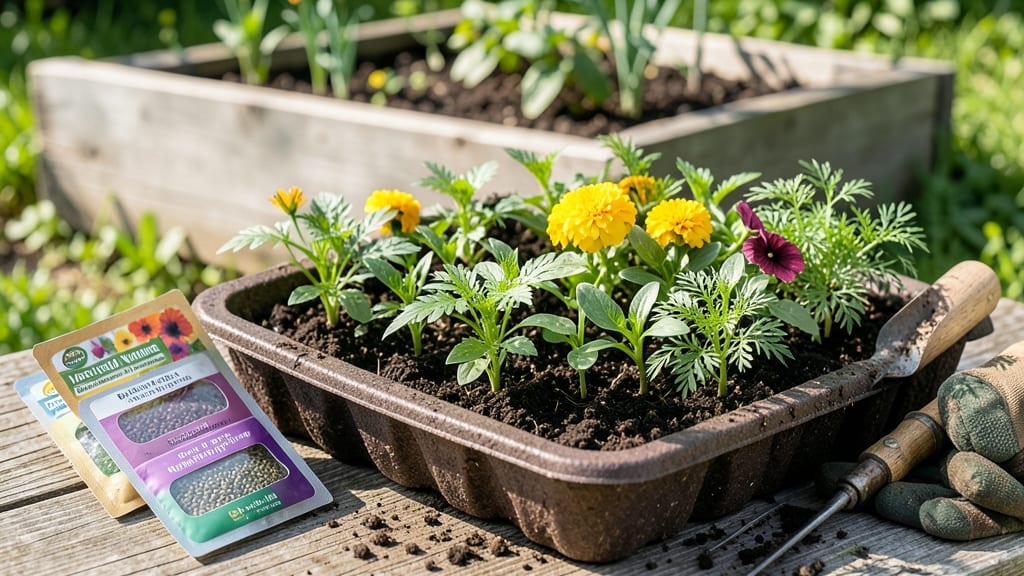
Timing your flower seeds planting in Zone 6 can make or break your garden dreams—get it wrong, and frost or heat will turn your hard work into a sad, wilted mess before the blooms even peek through the soil. 🌸 Whether you're dreaming of vibrant marigolds or delicate pansies, knowing when to plant isn't just about following a calendar—it's about reading your local microclimate like a pro.
Spring and fall are your two golden windows, but Zone 6's 6a-6b frost dates mean the difference between a thriving garden and a wasted seed packet. I've tested the best strategies for both seasons, so you can skip the guesswork and start planting with confidence.
From cool-season favorites like sweet peas to heat-loving zinnias, I'll show you exactly when to sow each type—whether directly in the ground or under protective covers.
What if your neighbor's garden blooms while yours struggles? The secret often lies in soil temperature and regional tweaks—like planting marigolds a week earlier in Pittsburgh versus St. Louis.
You'll learn how to adjust for your specific corner of Zone 6, plus a simple planting calendar that keeps your flowers on track all season long.
Ready to transform your garden into a year-round showstopper? Let's dive into the exact timing, tools, and tricks that'll have your flower seeds sprouting strong—and your neighbors asking for your secrets. The best part? You'll never second-guess planting day again.
Zone 6 frost dates: exact timing for spring vs fall flower seed planting
Understanding your Zone 6 frost dates is the foundation of successful flower seed planting. In this zone, the average last frost date typically falls between April 15 and May 1, while the first frost arrives around October 15 to October 30.
These dates create a 165-day growing season, giving you two prime windows for planting: spring (after frost) and early fall (4-6 weeks before frost).
However, these dates vary by microclimates within Zone 6. For example, Pittsburgh, PA often sees its last frost 2-3 weeks earlier than St. Louis, MO. To pinpoint your exact dates, check the USDA Plant Hardiness Zone Map or use local weather station data.
This precision ensures your flower seeds aren’t exposed to unexpected frost or scorching heat.
For spring planting, wait until the soil temperature reaches at least 50°F (10°C)—a critical threshold for most annual flowers like marigolds and zinnias. Use a soil thermometer to monitor this, as cold soil can delay germination by weeks.
In contrast, fall planting should happen 4-6 weeks before your first frost to allow seeds time to germinate and establish roots before winter.
Here’s a quick reference for your Zone 6 planting timeline:
| Season | Planting Window | Soil Temp Requirement | Key Flowers |
|---|---|---|---|
| Spring | After last frost (April 15–May 1) | 50°F+ (10°C+) | Zinnias, Sunflowers, Cosmos |
| Fall | 4–6 weeks before first frost (Sept 1–Oct 15) | 60°F+ (15°C+) for germination | Pansies, Sweet Peas, Snapdragons |
| Indoor Start | 6–8 weeks before last frost (Feb–March) | 70°F+ (21°C+) under grow lights | Petunias, Geraniums, Begonias |
If you’re planting perennial flowers like coneflowers or black-eyed Susans, fall is often the best time because cooler temperatures reduce stress on young plants. Meanwhile, warm-season annuals such as marigolds and cosmos should wait until the soil is fully warmed by spring.
For cool-season annuals like pansies, you can even plant seeds in late summer for a fall-to-winter display.
Pro tip: Use row covers or cold frames to extend your spring planting window by 2–3 weeks. These protect young seedlings from late frosts while still allowing sunlight to reach the soil. Conversely, mulching in fall helps insulate seeds and retain moisture during dry autumns.
For indoor seed starting, begin 6–8 weeks before your last frost date (typically February to early March). Use grow lights to supplement natural light, as Zone 6 winters often lack the intensity needed for strong seedlings.
Aim for 14–16 hours of light daily to prevent leggy, weak plants.
Remember, local weather patterns can shift your frost dates by weeks. Always monitor 10-day forecasts and adjust your planting schedule accordingly. A sudden late frost in May or an early frost in September can derail even the most carefully planned garden.
By aligning your flower seed planting with these Zone 6 frost dates, you’ll maximize your chances of a long, vibrant bloom season—from spring crocuses to fall mums. 🌸
Best flowers to plant in spring vs fall in Zone 6 (with seed starting tips)
Zone 6 gardeners have two prime windows for planting flower seeds: spring and fall. Each season offers unique opportunities, depending on whether you're growing cool-season or warm-season varieties.
For spring, focus on after your last frost date (typically mid-April), while fall planting should begin 4-6 weeks before first frost (usually late August to early September).
Cool-season flowers like pansies and sweet peas thrive when planted in early spring or late summer, while warm-season favorites such as marigolds and zinnias need warmer soil temperatures. Understanding these distinctions will help you choose the right flowers for each planting window and maximize your garden's potential.
🌱
- 🌱 Spring Planting: Start warm-season seeds indoors 6-8 weeks before last frost (early March). Transplant outdoors after soil warms to 60°F+.
- 🌱 Fall Planting: Sow cool-season seeds directly outdoors in late summer for blooms next spring. Avoid planting too early—soil should be 50-60°F.
- 🌱 Soil Prep: Mix compost or aged manure into beds before planting. Cool-season flowers prefer slightly acidic soil (pH 6.0-7.0).
- 🌱 Watering: Keep soil consistently moist (not soggy) until seeds germinate. Use a light mist for delicate seedlings.
- 🌱 Frost Protection: Use row covers or cloches for late spring/early fall plantings if frost threatens.
For spring planting, prioritize flowers that tolerate cooler temperatures, such as calendula, nasturtiums, and lobelia. These can often be sown directly into the garden as soon as the soil is workable, usually in early April.
If you're starting seeds indoors, use grow lights to provide 12-16 hours of light daily until transplanting.
Fall planting in Zone 6 is ideal for perennials like coneflowers and black-eyed Susans, which establish roots before winter. Direct-sow these seeds in late summer (August) for early spring blooms. For annuals, try pansies or snapdragons, which handle light frosts and add color to winter gardens.
Pro tip: Label your seeds and track germination dates with a simple garden journal. This helps you adjust future planting schedules based on your microclimate. For example, if your last frost date is later than average, delay spring planting by a week or two to avoid frost damage.
✂️