
Flowers
Texas heat-zone map: best planting months by flower type
Texas spans three distinct heat zones (A, B, and C), each with unique frost dates and growing seasons. Zone A (North Texas) faces harsh winters with late spring planting, while Zone C (South Texas) enjoys year-round growth but battles summer heat.
Zone B sits in the middle, offering a balanced approach for both cool- and warm-season flowers.
Your first step is identifying your last frost date. North Texas (Zone A) averages March 15, while South Texas (Zone C) rarely sees frost. Use these dates to guide your cool-season planting (like pansies) and warm-season flowers (like zinnias) for maximum blooms.
Here’s how to match your flower type to Texas heat zones for zero-frost success:
| Flower Type | Heat Zone A (North TX) | Heat Zone B (Central TX) | Heat Zone C (South TX) |
|---|---|---|---|
| Cool-Season Annuals | Feb–March | Jan–Feb | Oct–Nov |
| Warm-Season Annuals | April–May | March–April | Feb–March |
| Native Wildflowers | Sept–Oct | Sept–Oct | Sept–Oct |
| Perennials | March–April | Feb–March | Jan–Feb |
For cool-season flowers like pansies or snapdragons, start seeds 6–8 weeks before your last frost date. In North Texas, this means January sowing for early spring blooms. Warm-season flowers (e.g., marigolds, petunias) thrive when soil reaches 60°F, typically April in Zone A and March in Zone C.
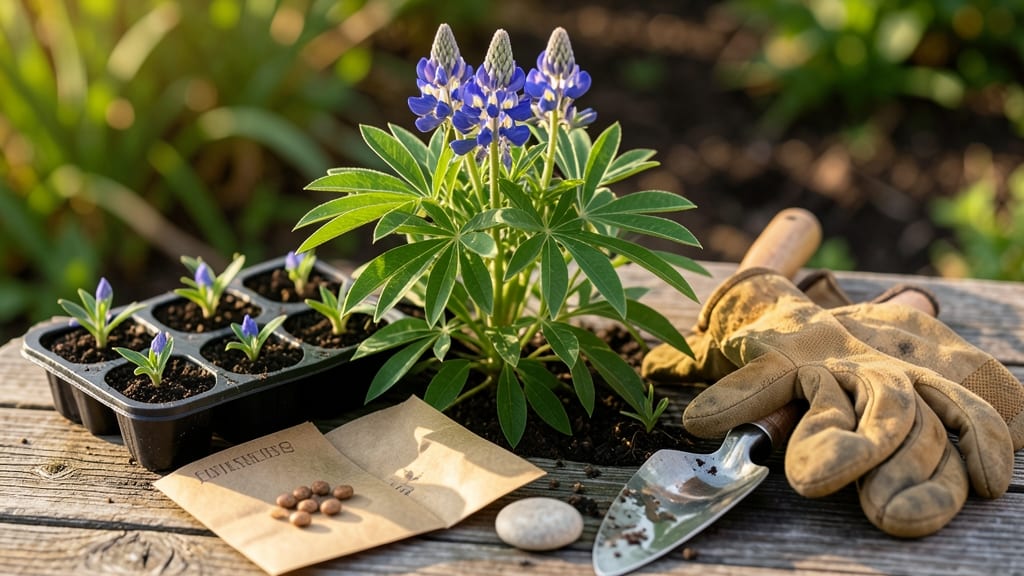
Native wildflowers like bluebonnets or Indian paintbrush are drought-tolerant and best planted in fall (September–October) across all zones. Their seeds need cold stratification to germinate, so don’t rush—let winter handle the prep work for you.
Pro tip: Use shade cloth in Zone C during summer’s peak heat (June–August) to protect tender seedlings. Even heat-loving flowers like sunflowers can bolt prematurely if stressed by 100°F+ soil temps.
Perennials like black-eyed Susans or coneflowers are low-maintenance once established. Plant them in early spring (Zone A) or late winter (Zone C) for multi-year blooms. Avoid transplanting after June 1—root systems struggle to adapt during Texas’s dog days of summer.
Urban gardeners in microclimates (e.g., shaded courtyards) can extend seasons by 2–4 weeks. For example, Zone A’s last frost might hit March 20 in Dallas but April 5 in a sheltered Austin backyard. Adjust your planting calendar accordingly!
Always test your soil’s pH before planting—most Texas soils lean alkaline (7.5–8.5). Amend with compost or sulfur to create ideal conditions for acid-loving flowers like azaleas or gardenias. A soil test kit (available at local nurseries) costs $15 and saves you from wasted seeds.
Ready to beat the Texas heat? Start with one heat zone, pick 3–5 flowers, and track your progress. Soon, your garden will burst with color—no frost or scorching in sight! 🌻
How to extend your Texas flower season with successive planting
Texas summers can turn your flower beds into saunas, but with successive planting, you can stretch your bloom time from spring to frost. The key? Staggered sowings every 2-3 weeks for continuous color.
I’ve learned that cool-season flowers like pansies and snapdragons thrive in fall, while heat-lovers like zinnias and cosmos take over in summer—if planted at the right time.
Start by checking your last frost date (typically February-March in North Texas, January-February in Central Texas, and December-January in South Texas). For spring blooms, sow seeds 6-8 weeks before your last frost—this gives seedlings time to mature before heat arrives.
In my East Texas garden, I plant marigolds in early February for a March-May show.
For urban gardeners with limited space, container gardening is a game-changer. I grow petunias and geraniums in pots on my balcony, planting new seeds every 4 weeks to ensure nonstop blooms.
Just remember: Drainage is critical—use pots with holes and saucers to prevent root rot in Texas’ sweltering summers.
Watch for heat stress signs like yellowing leaves or wilting—these mean it’s time to water deeply (1-2 inches per week) and prune spent blooms to encourage new growth.
In my West Texas garden, I’ve found that native wildflowers like blackfoot daisies handle heat better than imported varieties, so they’re my go-to for low-maintenance color.
Don’t forget about fall planting! While others pack up their gardens, I’m sowing calendulas and stocks in October for winter-spring blooms. The secret? Cold frames or row covers can push your season even further, protecting tender seedlings from freezing nights while letting them bask in daytime sun.
With these strategies, you can turn your Texas garden into a year-round paradise. Start small—try one successive planting this season—and watch your bloom time triple! Just remember: Timing + patience = Texas-tough flowers. 🌻