
Plants
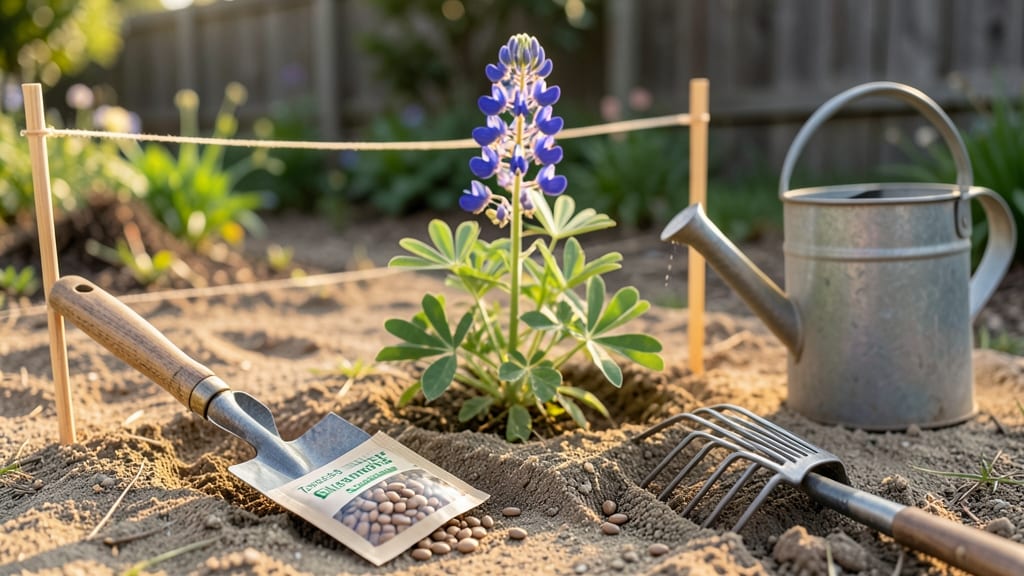
If you want those iconic bluebonnet fields 🌸 to blanket Central Texas in spring, timing your seed planting is everything—get it wrong, and you might end up with nothing but bare soil by March.
Most gardeners assume fall planting is simple, but Central Texas' unique microclimates—from 8a zones to unpredictable frost dates—mean the window is narrower than you think. Plant too early, and seeds rot; too late, and winter dormancy won't break properly.
The key? Understanding how soil temperatures and rainfall patterns shift between September and November.
I've seen firsthand how a two-week difference in planting can mean the difference between a lush carpet of blue and a patchy disappointment. That's why I'm breaking down the exact conditions your seeds need to thrive—from scarification techniques to frost-proofing strategies—so you can time it perfectly for vibrant spring blooms.
Whether you're a first-time gardener or a seasoned pro, these insights will help you avoid common mistakes and maximize your bluebonnet success. Let's get those seeds in the ground the right way.
Best time to plant bluebonnet seeds in Central Texas: fall planting schedule
Central Texas gardeners know that bluebonnets (Lupinus texensis) are the state flower for a reason—they paint the hillsides with vibrant blue blooms every spring. But to achieve that stunning display, you must plant your seeds at the perfect time.
In Central Texas' USDA Zone 8a, the window for planting bluebonnet seeds is short and critical.
Unlike many plants that thrive with spring planting, bluebonnets require a fall planting schedule to establish strong roots before winter. The ideal window is between late September and early November, when soil temperatures drop to between 45°F and 60°F.
This timing allows seeds to germinate before the ground freezes, ensuring healthy seedlings ready to bloom in spring.
Here’s why timing matters: Planting too early (like in August) risks premature germination and weak seedlings that won’t survive Texas’ summer heat. Planting too late (after November) may leave seeds exposed to early frosts, delaying germination until the following spring—when competition from weeds and drought conditions can stunt growth.
| Planting Window | Soil Temperature | Key Considerations |
|---|---|---|
| Late September | 55-60°F | Best for early bloomers; avoid if soil is still warm. |
| October | 45-55°F | Ideal balance; seeds germinate before winter chill. |
| Early November | 40-45°F | Last chance; seeds may need protection from early frosts. |
🌡️ Pro Tip: Use a soil thermometer to confirm temperatures before planting.
Central Texas’ climate adds another layer of complexity. The region’s microclimates can vary dramatically—even within a few miles. For example, areas near Austin may experience earlier frosts than those closer to Waco.
Always check your local frost dates: the average first frost in Central Texas is around December 15, but seeds should be planted at least 6-8 weeks before the first expected frost to allow for germination.
Rainfall patterns also play a role. Bluebonnets need moderate moisture to germinate but can’t handle soggy soil. In Central Texas, October often brings reliable rains, making it the sweet spot for planting.
If your area is experiencing a dry spell, consider light irrigation after planting to keep seeds moist until sprouts appear.
One common misconception is that bluebonnets can be planted in early spring. While this can work in milder years, the results are often spotty. Spring-planted seeds face intense competition from weeds and may not establish strong enough roots before summer heat sets in.
For the most reliable blooms, stick to the fall window and prepare your soil in advance.
To maximize success, choose a sunny, well-draining location with 6+ hours of sunlight daily. Bluebonnets thrive in poor, rocky soil—a nod to their native Texas habitat—but they do need good drainage.
If your soil is heavy clay (common in Central Texas), amend it with compost or sand to improve aeration. Avoid rich, fertile soil, which can lead to leafy growth at the expense of flowers.
Finally, don’t forget that bluebonnets are perennials, but they often self-seed prolifically. Once established, they’ll return year after year, rewarding your patience with vibrant blue carpets in spring.
With the right timing and care, your Central Texas garden could be the envy of the neighborhood—just like the wildflower meadows along Texas highways.
Ready to plant? Mark your calendar for late September to early November and get your seeds in the ground before the window closes. Your future spring blooms will thank you! 🌸
Best time to plant bluebonnet seeds in Central Texas: fall planting schedule
Central Texas gardeners know that bluebonnets (Lupinus texensis) thrive when planted at the perfect time—fall is your golden window for those iconic blue blooms. The key is planting 6-8 weeks before your first frost, which typically falls around mid-December in most of Central Texas.
For Zone 8a, aim for late September through early November. This timing ensures seeds germinate in cool soil (45-60°F) and establish roots before winter dormancy. Planting too early risks premature germination and weak seedlings, while late planting may leave seeds exposed to freezing temperatures before rooting.
🌸
| Planting Window | Soil Temp | Frost Risk | Germination Time |
|---|---|---|---|
| Late September | 55-60°F | Low | 4-6 weeks |
| October (ideal) | 45-55°F | Moderate | 6-8 weeks |
| Early November | 40-45°F | High | 8-10 weeks |
Central Texas' variable rainfall and occasional early frosts mean timing matters. For example, Austin's average first frost is December 15th, but Hill Country areas may see frost as early as November. Check your local Cooperative Extension Service for precise frost dates.
Pro tip: If you miss fall planting, you can try early spring sowing (February-March), but germination rates drop significantly due to higher soil temps and competing weeds. For best results, stick to fall!
Once planted, bluebonnets need minimal care—just light watering until established. They’ll reward you with vibrant blooms from March through May, turning your landscape into a Texas postcard.
☀️