
Flowers
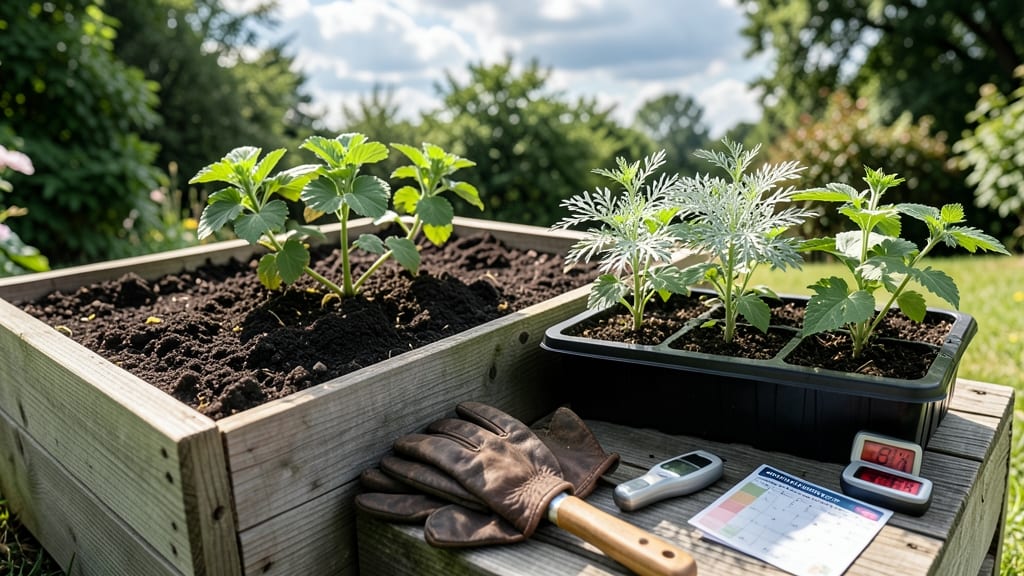
Timing your flower seeds planting in Minnesota isn't just about following a calendar—it's about outsmarting the unpredictable USDA Zones 4a-4b climate where frost can strike anytime. One wrong move, and your 🌸 blooms could vanish before they even peek through the soil.
I've learned the hard way that Minnesota's short growing season demands precision. Plant too early, and a late frost will wipe out your seedlings. Too late, and you'll miss the summer spectacle you've been dreaming of. The key lies in understanding your microclimate and working with nature's rhythm.
In this guide, I'll walk you through the exact windows for planting both spring and fall varieties, plus pro tips to extend your blooming season. We'll cover everything from soil temperature checks to adjusting for urban heat islands—because every garden in Minnesota tells a different story.
Whether you're a first-time gardener or a seasoned pro, these strategies will help you transform your yard into a vibrant canvas of color. Let's make sure your flower seeds get the perfect start they deserve in Minnesota's challenging but rewarding climate.
Minnesota flower seed planting deadlines by type (Zone 4a-4b)
Minnesota’s USDA Zones 4a-4b demand precision when planting flower seeds—miss the window, and you’ll either lose seedlings to frost or watch your garden bloom too late for peak enjoyment.
The last average frost date in most of Minnesota falls around May 10, while the first frost typically arrives by October 10. These dates create a 150-day growing season, so planning is critical.
For annual flowers, your best bet is to start seeds indoors 6-8 weeks before the last frost (early to mid-March) or sow directly into the garden after May 15. Cold-hardy perennials like coneflowers and black-eyed Susans can handle earlier planting, even as early as April 1, while tender varieties like marigolds and petunias need warmer soil temperatures.
🌱 Minnesota Flower Seed Planting Deadlines (Zone 4a-4b)
| Flower Type | Indoor Start (Weeks Before Last Frost) | Direct Sow (After Last Frost) | Fall Planting (For Spring Bloom) |
|---|---|---|---|
| Cold-Hardy Annuals (e.g., Snapdragons, Sweet Alyssum) | 6-8 weeks (March) | April 15 - May 1 | September 1 - September 15 |
| Tender Annuals (e.g., Petunias, Marigolds, Zinnias) | 8-10 weeks (late March) | May 15 - June 1 | Not recommended |
| Perennials (e.g., Coneflowers, Black-Eyed Susans, Daylilies) | Indoor: 12-14 weeks (February) | April 1 - May 15 | September 15 - October 1 |
| Biennials (e.g., Foxgloves, Hollyhocks) | Indoor: 14-16 weeks (January-February) | April 15 - May 1 | September 1 - September 15 |
| Fall-Blooming Annuals (e.g., Cosmos, Bachelor’s Buttons) | Not applicable | Not applicable | August 1 - September 1 |
⚠️ Note: Adjust dates 1-2 weeks earlier for northern Minnesota (Zone 3) or later for southern Minnesota (Zone 5). Urban areas may experience microclimates with earlier last frosts.
If you’re planting in sheltered microclimates—like near a south-facing wall or in a urban heat island—you can push your planting window 1-2 weeks earlier. Use a soil thermometer to confirm the ground has warmed to 50°F or above before sowing tender seeds.
For cold frames or row covers, you can start seeds as early as April 1, even if frost is still possible.
For fall planting, aim to sow seeds 8-10 weeks before the first frost (around September 1) for flowers like cosmos and bachelor’s buttons. These varieties thrive in cooler temperatures and will bloom well into October, extending your garden’s season.
Perennials planted in fall have time to establish roots before winter, giving them a head start in spring.
Don’t forget to check your local Minnesota State University Extension or Almanac frost dates for your specific county, as last frost dates can vary by 1-2 weeks depending on location. For example, Duluth may see frost until May 20, while Rochester could be frost-free by May 5.
Adjusting for these variations ensures your flower seeds get the best possible start.
Once you’ve nailed down
How to extend your Minnesota flower season with smart planting
Minnesota’s short growing season doesn’t mean you’re stuck with a handful of summer blooms. With strategic planting and a few clever tricks, you can stretch your flower season from early spring to late fall. The key is understanding how to push boundaries while working with Mother Nature—not against her.
Start by selecting heat-tolerant varieties like black-eyed Susans or Russian sage, which thrive in Minnesota’s hot July afternoons. These plants can handle the heat while still blooming beautifully.
For cooler months, opt for cold-hardy annuals like pansies or snapdragons, which can handle light frosts and even bloom in early spring or late fall.
Here’s how to maximize your blooms with proven techniques that actually work in Zone 4a-4b:
Stagger your seed sowing every 2-3 weeks from late April to early July. This ensures a continuous bloom instead of one big burst. For example, plant zinnias in early May, then again in late June for fall color.
Use mini greenhouses or floating row covers to protect tender seedlings from late spring frosts. These can extend your planting window by 2-3 weeks, letting you sow petunias or geraniums earlier for a head start.
Plant perennials like coneflowers or black-eyed Susans in early spring—they’ll rebloom in fall without extra effort. These hardy plants store energy all summer to surprise you with late-season color.
Choose sun-loving annuals like celosia or portulaca, which thrive in Minnesota’s hottest months. These plants refuse to wilt when temps hit 90°F, keeping your garden vibrant through August and September.
Sow fast-growing annuals like bachelor’s buttons or cosmos in late July. These self-seed easily and bloom by September, adding color when most gardens fade.
For a foolproof approach, focus on these top 5 reliable flowers that perform best in Minnesota’s climate. Zinnias and marigolds are disease-resistant and bloom nonstop with minimal care. Coneflowers and bee balm are perennial workhorses that return year after year, while pansies and violas handle both spring chills and fall frosts like champions.
Remember, the secret weapon in Minnesota gardening is adaptability. Pay attention to microclimates—your south-facing garden might be 10°F warmer than the north side, allowing for earlier planting.
Use mulch to regulate soil temperature and water deeply in the morning to reduce stress on your plants during heatwaves.
With these strategies, you’ll turn Minnesota’s short season into a long, colorful celebration—one that keeps your garden buzzing with life from spring to frost. 🌸🌿☀️