
Plants
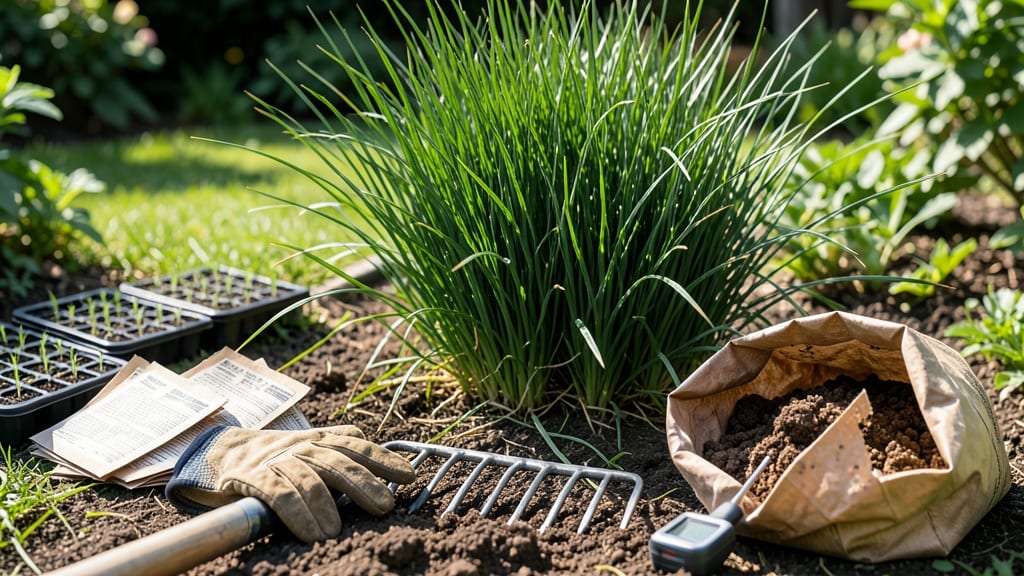
Timing your fescue planting in Missouri can make or break your lawn’s resilience—especially when Missouri’s unpredictable 5b-6b winters and scorching summers are in the mix. Plant too early, and frost can stall growth; too late, and summer heat zaps your chances of a lush, deep-rooted lawn.
The sweet spot? Early autumn or spring, when soil temps cooperate and your grass has time to establish before extreme weather hits.
Most Missouri gardeners swear by September to October for fall planting, giving fescue roots a head start before winter dormancy. But if you’re in southern Missouri, where frost arrives later, you might push planting into early November.
Spring? Aim for March to early April, once soil warms above 60°F—just before summer’s heat cranks up. The key is beating the clock, whether you’re overseeding a patchy lawn or starting fresh.
Here’s the game-changer: Your local microclimate matters. Northern Missouri’s shorter growing season demands earlier planting, while southern regions can stretch windows by 2-4 weeks.
We’ll break down how to read Missouri’s frost-free rules, soil conditions, and even humidity shifts to fine-tune your schedule—so you’re not guessing whether your fescue will thrive or wither.
Ready to ditch the trial-and-error? I’ll walk you through the exact steps to plant fescue at the perfect moment, plus how to prep your soil and avoid 5 common Missouri mistakes that kill lawns before they even start. Let’s get that grass growing right.
Missouri’s ideal fescue planting window: cool-season rules explained
Timing your fescue grass planting in Missouri is all about leveraging the state’s cool-season climate. Fescue thrives when soil temperatures dip below 80°F, making early fall and early spring the perfect windows.
These periods allow roots to establish before extreme heat or cold sets in, ensuring a hardy, drought-resistant lawn that survives Missouri’s USDA zones 5b-6b.
Missouri’s first frost typically arrives around October 15, while the last frost lingers near April 15. Planting 6 weeks before the first frost (mid-September) or 4-6 weeks after the last frost (mid-April) aligns perfectly with fescue’s growth cycle.
This timing avoids the stress of summer heat or winter dormancy, giving your lawn the best chance to flourish.
Here’s why these windows work best: Cool soil temperatures (ideal: 50-65°F) encourage deep root growth, while moderate rainfall reduces irrigation needs. Missouri’s humid summers can bake fescue if planted too late, while winterkill risks occur if seeded too early.
Balancing these factors is key to a low-maintenance, resilient lawn.
| Season | Ideal Planting Months | Soil Temp (°F) | Key Considerations |
|---|---|---|---|
| Early Fall | September–October | 50–65°F | Avoids summer heat; roots establish before frost |
| Early Spring | March–April | 55–70°F | Soil warms; reduces weed competition |
| Late Spring | May (Risky) | 70–80°F | High heat stress; limited root growth |
| Winter | November–February | Below 40°F | Dormant period; no planting |
For fall planting, aim for September 1–October 15 in most of Missouri. This window ensures seeds germinate before October’s first frost, giving roots time to anchor before winter dormancy. In northern Missouri (USDA zone 5b), shift planting to late August–mid-September to account for earlier frosts.
Conversely, southern Missouri (zone 6a) can extend planting until early November, as frosts arrive later.
Spring planting should start 4-6 weeks after your last frost date, typically mid-March–April 15. Use a soil thermometer to confirm temperatures are above 50°F—fescue seeds won’t germinate in cooler soil.
Early spring planting also outpaces weed competition, giving your fescue a head start. If you miss this window, consider overseeding in late summer (August) for a secondary growth boost.
Missouri’s clay-heavy soils can slow drainage, so amend with compost or sand before planting. Test your soil’s pH (ideal: 6.0–7.0)—fescue struggles in acidic conditions. If your soil is below pH 6.0, apply lime 2–3 months before planting to avoid seed damage.
Proper soil prep is just as critical as timing for a thick, healthy lawn.
Watering is another critical factor in Missouri’s variable climate. After planting, keep soil consistently moist (1 inch per week) until germination (typically 10–21 days). Use a sprinkler or soaker hose to avoid displacing seeds.
Once established, fescue’s deep roots reduce water needs, but drought stress can occur during Missouri’s hot, dry summers. Adjust your irrigation schedule based on rainfall—deep, infrequent watering encourages stronger root systems.
If you’re reseeding an existing lawn, mow the old grass short (1–1.5 inches) before planting to improve seed-to-soil contact. Lightly rake the area to create a fine seedbed, then spread fescue seeds evenly (use 4–6 lbs per 1,000 sq ft for new lawns; 2–3 lbs for overseeding).
A light mulch of straw (¼ inch) helps retain moisture and protect seeds from birds.
Missouri’s fescue varieties—like tall fescue and fine fescue—each have slight timing preferences. Tall fescue, the most common, handles Missouri’s heat better than fine fescue, which thrives in cooler, shadier spots. Choose your variety based on your lawn’s sun exposure
Missouri’s ideal fescue planting window: cool-season rules explained
Fescue grass thrives in Missouri’s cool-season climate, but planting at the wrong time can leave your lawn weak or even dead. The best window is early fall or early spring, when soil temperatures are ideal for root growth—typically between 50°F and 65°F.
This timing helps fescue establish before summer heat or winter freeze sets in.
Missouri’s USDA zones 5b-6b mean your last frost date usually falls around April 15, while the first frost arrives by October 15. Planting 4-6 weeks before the first frost (mid-September) gives fescue enough time to root deeply before winter dormancy.
Similarly, early spring planting (March-April) avoids the stress of summer heat.
| Planting Window | Ideal Soil Temp | Missouri Months | Key Benefit |
|---|---|---|---|
| Early Fall (Sept-Oct) | 50°F–65°F | September–October | Avoids summer heat; roots establish before frost |
| Early Spring (March-April) | 55°F–65°F | March–April | Warm soil encourages germination; avoids drought stress |
| Late Spring (May) | 60°F+ | May (high risk) | Only for overseeding; high heat reduces success |
For fall planting, aim for mid-September to early October—this gives fescue 6-8 weeks to grow roots before winter. If you miss this window, early spring (March) is your next best bet, as soil warms and moisture levels are higher.
Avoid planting in late spring or summer, when Missouri’s heat and drought stress young grass.
Missouri’s clay-heavy soils can slow root growth, so prepare your lawn by aerating and loosening soil 2-3 weeks before planting. This helps seeds make contact with moisture and nutrients. Test your soil’s pH (ideal: 6.0–7.0)—Missouri’s acidic soils often need lime to create the right conditions for fescue.
Pro tip: Use a seed-to-soil contact spray after planting to keep seeds moist until germination. Fescue seeds need consistent moisture to sprout, so water lightly twice daily until you see new blades. Once established, reduce to 1 inch per week to encourage deep roots.
Missouri’s humid summers can also stress fescue, so planting early ensures your lawn has time to harden off before heat sets in. Overseed in late summer (August) for a thicker lawn before winter, but avoid planting new seed after mid-September—roots won’t have enough time to establish.