
Plants
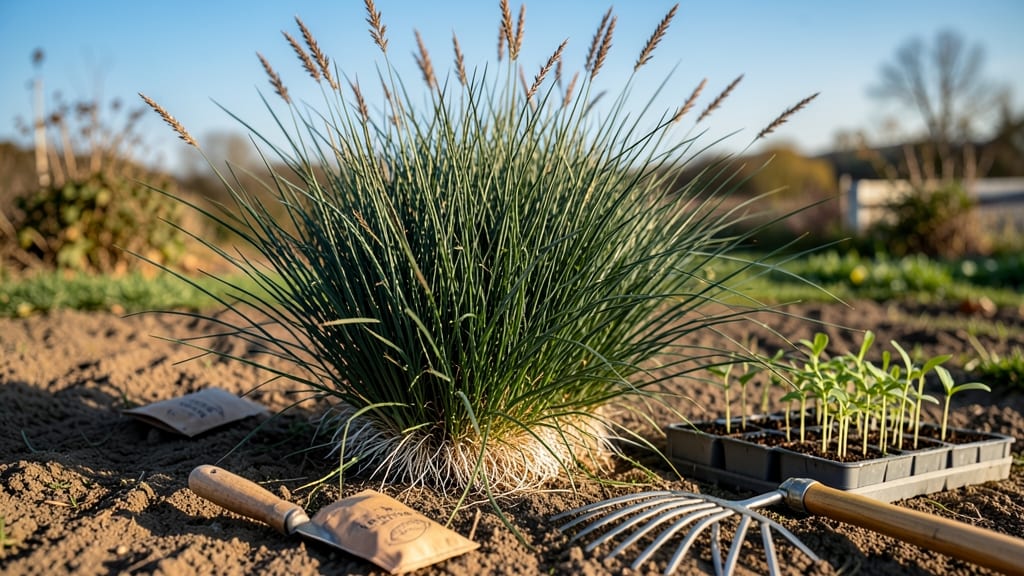
Planting fescue in North Texas at the wrong time can leave your lawn struggling through brutal summers or weak before winter—so getting the timing right is everything. This cool-season grass thrives when planted 4-6 weeks before the first frost, meaning late summer to early fall is your golden window.
For North Texas gardeners in zones 7b-8a, that means aiming for late August through October. The key is letting those roots establish before winter hits, so your 🌱 fescue can handle both the heat and cold like a pro.
But here's the catch: DFW's urban heat lingers longer than rural areas, so adjust your schedule accordingly. We'll break down exactly how to time it perfectly for your specific microclimate—plus soil prep tips that make all the difference.
Skip the guesswork and learn how to turn your lawn into a lush, green carpet that survives Texas' extremes. Let's get started with the exact planting schedule that works for your region.
Optimal fall planting window for fescue in North Texas climates
North Texas’ USDA Zones 7b-8a create a unique challenge for fescue—too early, and summer’s 95°F+ heat stresses seedlings; too late, and roots won’t anchor before winter dormancy.
The 6-8 week window between late August and mid-October strikes the perfect balance, aligning with soil temperatures between 60-75°F and declining daytime heat.
For DFW Metroplex gardeners, aim for September 1-15—this gives seedlings 6-8 weeks of warm-weather growth before first frost (Nov 15). Rural areas like Hill Country can push slightly later (mid-September) due to cooler microclimates, while East Texas should plant by early September to avoid humidity-related fungal risks.
The ideal planting window ensures fescue establishes 2-3 inches of root depth before winter, making it drought-resistant by spring. Miss this window, and you risk thin, patchy lawns or seedlings that brown out in summer’s return.
🌱
| Planting Stage | North Texas Timeline | Soil Temp (°F) | Key Action |
|---|---|---|---|
| Pre-Planting Prep | Late August | 75-85°F | Test soil pH (6.0-7.0), aerate compacted areas |
| Seed Planting | September 1-15 | 60-75°F | Sow ¼" deep, 10 lbs/1000 sqft, light mulch |
| Root Establishment | September-October | 55-70°F | Daily watering (½" per day), taper by Nov |
| Winter Dormancy | November-March | Below 50°F | Minimal water (bi-weekly), avoid foot traffic |
Microclimates matter—Hill Country can extend planting to mid-October thanks to cooler nights, while DFW’s urban heat islands may need to start by early September. Use a soil thermometer to confirm temperatures: fescue seeds won’t germinate below 55°F or above 85°F.
Pro tip: Seed varieties like 'Tall Fescue' tolerate North Texas’ summer heat better than fine fescue. Mixing 10% Kentucky 31 (drought-resistant) with your primary seed blend improves resilience during spring droughts.
🌡️
If you’re in Zone 8a (e.g., Waco), push planting to late September—warmer winters mean less risk of frost damage. Monitor local weather forecasts for first frost dates and plant 4-6 weeks prior to ensure roots establish before dormancy.
For sod vs. seed, sod can be laid 2 weeks later (late September) since it’s already established, but seeds need that full 6-8 week window. Sod’s faster but costs 3-5x more—weigh your budget against your timeline.
📅
Optimal fall planting window for fescue in North Texas climates
North Texas’ USDA Zones 7b-8a create a unique challenge for fescue—too early, and summer heat stresses seedlings; too late, and roots won’t anchor before winter. The 6-8 week window from late August to mid-October strikes the perfect balance, aligning with soil temperatures between 60-75°F and cooling trends.
This timing lets fescue establish 4-6 inches of roots before dormancy, ensuring spring resilience.
DFW’s urban heat island effect can push ideal planting 1-2 weeks earlier than rural Hill Country areas. Monitor your local lawn care calendar—DFW’s first frost typically arrives mid-November, while West Texas may see it by early November.
Aim to plant 4-6 weeks before frost to avoid winter stress while escaping summer’s oppressive heat.
| Timeframe | Soil Temp | Microclimate Notes |
|---|---|---|
| Late August | 70-75°F | Best for DFW; Hill Country may wait 1 week |
| Early September | 65-70°F | Ideal for most North Texas; avoid if >80°F |
| Mid-October | 60-65°F | Last chance; risk of early frost in West Texas |
Use a soil thermometer to verify conditions—below 60°F slows germination, while above 80°F causes seed dormancy. Early mornings in September often hit the sweet spot. For shade-tolerant varieties like 'Creeping Red Fescue', extend planting to early November in cooler microclimates, but expect slower spring green-up.
North Texas’ variable rainfall patterns demand proactive planning. Plant during predictable rain events or irrigate immediately after seeding to maintain consistent soil moisture. A light mulch layer (straw, not wood chips) helps retain moisture while preventing crusting. Avoid planting during prolonged dry spells—seeds need constant dampness to germinate.
Pro tip: Test your soil’s organic matter before planting—North Texas clay soils often need 2-3 inches of compost mixed into the top 6 inches. This improves drainage and water retention, critical for fescue’s deep root system.
Adjust planting dates if your soil test reveals low pH (<5.5)—lime applications take 4-6 weeks to adjust pH for optimal germination.
Remember, fall planting isn’t just about timing—it’s about creating conditions where fescue can outpace weeds and establish before winter. With the right window, your lawn will reward you with dense, drought-resistant turf by next spring. 🌱