
Plants
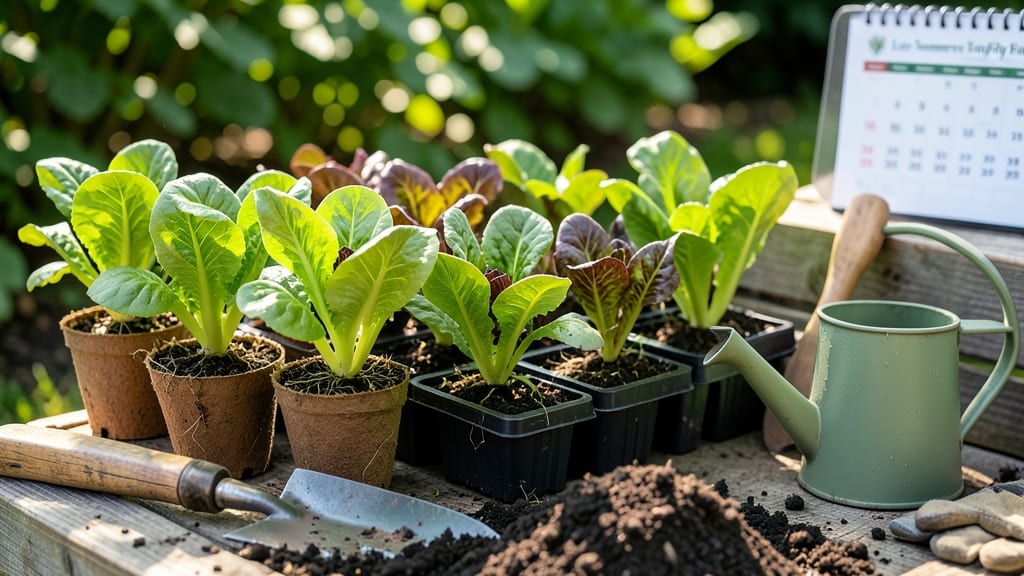
Knowing when to plant fall lettuce in Zone 6 can mean the difference between a crisp, homegrown salad and bitter disappointment. The key? Timing your 🥬 seeds perfectly so they mature before the first frost—without bolting in summer’s last heat.
In Zone 6, where frost typically arrives by mid-October, your planting window is tight but manageable. Start mid-August to mid-September for an 8-week harvest window, ensuring tender leaves just as cooler weather sets in.
This schedule works for both transplanting and direct sowing, but there’s more to it than just dates.
You’ll also want to factor in soil temperature, variety selection, and even succession planting to stretch your harvest. Whether you’re a first-time gardener or a seasoned green thumb, these strategies will help you avoid common pitfalls like heat stress or frost damage.
Let’s break down the exact steps—from choosing the right varieties to protecting your crop—so you can enjoy fresh, homegrown lettuce straight from your garden until the first hard freeze.
Zone 6 fall lettuce planting dates: exact timing for 8-Week harvests before frost
In Zone 6, the difference between a crisp fall harvest and bitter, bolted lettuce often comes down to precise planting timing. Since Zone 6's first frost typically arrives around mid-October, your goal is to sow lettuce 6-8 weeks before that date.
This means starting your fall lettuce schedule between late July and early September, depending on your exact location and microclimate.
For most of Zone 6 (including Ohio, Pennsylvania, and New York), the ideal window is mid-August to early September. This timing ensures your lettuce matures before cold snaps but avoids the heat stress of late summer.
If you're in Zone 6a (colder end of the spectrum), aim for early September plantings, while Zone 6b gardeners can push to mid-September.
Here's the key: Soil temperature should be between 45°F and 75°F for optimal germination. If you plant too early (June/July), your lettuce may bolt prematurely from heat.
If you wait too late (October), frost will kill tender leaves before harvest. Let's break down the exact planting windows for a foolproof schedule.
| Planting Stage | Zone 6a Timing | Zone 6b Timing | Key Notes |
|---|---|---|---|
| Last Summer Sowing | Late July | Early August | Use shade cloth to prevent bolting |
| Primary Fall Planting | Early September | Mid-September | Best for 8-week harvest window |
| Final Succession Sowing | Mid-September | Late September | Use cold-hardy varieties |
| Expected Frost | Mid-October | Mid-October | Harvest before 28°F |
For gardeners in Ohio and Pennsylvania, check your local frost dates—some areas may experience frost as early as October 1st, while others can extend to October 20th.
In New York, the Adirondacks tend to frost earlier than Long Island, so adjust your planting dates accordingly. A general rule: Count backward 8 weeks from your average first frost date to determine your last planting window.
If you're unsure about your exact frost date, use transplants instead of seeds for faster growth. Six-week-old seedlings give you more flexibility in timing. For direct sowing, start seeds indoors 4-6 weeks before your target outdoor planting date to give them a head start.
This is especially helpful if you're aiming for that late-September sowing window.
One common mistake is planting too close to frost. Even cold-hardy varieties like Arctic King won't survive hard frosts below 25°F. Always harvest before temperatures drop below 28°F, or use row covers to protect tender leaves.
For a continuous harvest, consider succession planting every 2 weeks from mid-August to early September.
Pro tip: Monitor your soil temperature with a soil thermometer. Lettuce seeds need 45°F-75°F to germinate properly. If your soil is too hot (above 80°F), your seeds may fail to sprout.
In Zone 6, this is rarely an issue after mid-August, but it's worth checking if you're planting early.
Remember, lettuce grows best in cooler weather. The ideal temperature range for growth is 60°F-65°F. If daytime temperatures rise above 75°F, your lettuce may bolt (go to seed) prematurely.
This is why late summer plantings often require shade cloth or afternoon shade from nearby structures or taller plants.
For a foolproof harvest, aim to have your lettuce reach mature size (about 4-6 inches tall) by mid-October. This gives you a 2-week buffer before frost. If you're in a
How to extend your lettuce season: succession planting and cold protection tips
Once you’ve nailed your Zone 6 fall lettuce planting dates, the next step is maximizing your harvest window. Succession planting and cold protection can push your lettuce harvests well past the first frost—sometimes even until Christmas!
The key is balancing staggered sowings with protective measures like row covers or cloches.
Start by planting microgreens every 2 weeks from mid-August through early October. These fast-growing varieties (like 'Salad Bowl' or 'New Red Fire') mature in just 3-4 weeks, giving you a steady supply of baby greens even when full-sized heads are still developing.
For larger heads, aim for 3-week intervals between plantings.
For cold protection, row covers are your best friend. Lightweight fabric (like floating row covers) can extend harvests by 2-4 weeks by trapping warmth without smothering plants. If temperatures dip below 25°F, add a low tunnel or hoop house for even longer protection. Just
🌱 Numbered Highlights: Extending Your Lettuce Season
- 1. Microgreens every 2 weeks: Fastest way to fill harvest gaps (3-4 weeks to maturity).
- 2. Row covers for 2-4 week extensions: Use after first frost when temps drop below 35°F.
- 3. Cloches for individual plants: Protect cold-hardy varieties like 'Arctic King' down to 15°F.
- 4. Succession plant hardy greens: Sow 'Winter Density' or 'Black Seeded Simpson' 4-6 weeks before last frost.
- 5. Mulch heavily in late fall: Straw or leaves insulate roots and prevent soil temperature swings.
Don’t overlook mulching—a thick layer of straw or shredded leaves (3-4 inches) keeps soil temperatures stable and conserves moisture. This is especially critical in Zone 6’s variable fall weather, where warm days can fool lettuce into bolting while nights remain chilly.
Pair mulch with drip irrigation on timers to automate watering during your busiest weeks.
If you’re ambitious, try overwintering lettuce under heavy mulch. Varieties like 'Winter Density' can survive light frosts and even produce edible greens in spring. Just avoid planting too close to winter—aim for 6-8 weeks before your average first frost date to give plants time to establish before cold sets in.
Pro tip: Harvest leaves from the outside in to encourage regrowth, and always harvest in the morning when lettuce is crispest. This cut-and-come-again method can give you 3-4 harvests per planting if you’re gentle with the center leaves.
With these strategies, you’ll enjoy crisp, sweet lettuce well into November—or even December—without bitter bolting or frost damage. The secret? Plan ahead, protect your plants, and harvest strategically.