
Companion Plants
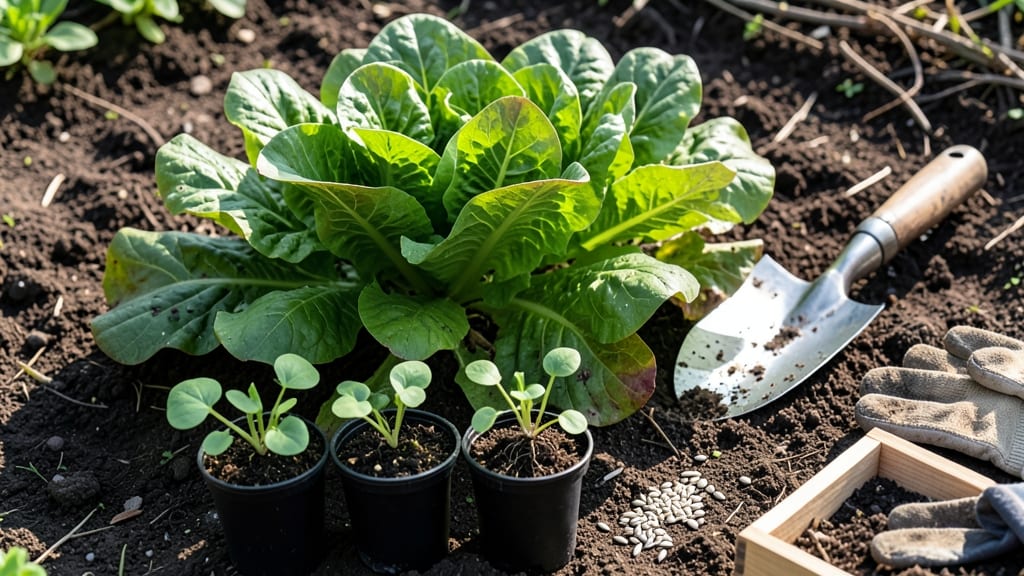
If you’ve ever planted lettuce 🥬 in Zone 7 only to watch it bolt into bitter stems before you even get to taste it, you’re not alone. The secret to crisp, flavorful harvests isn’t just about soil or water—it’s all about when can I plant lettuce in Zone 7.
Plant too early, and frost ruins your crop. Plant too late, and summer heat turns your leaves into sad, wilted scraps.
Zone 7 gardeners have two golden windows to get lettuce right: early spring (March–April) and late summer/fall (August–September). But here’s the catch—you need to know exactly how many weeks before your last frost to start seeds or transplants.
Get it wrong, and you’ll end up with either frozen seedlings or bolting greens.
I’ve grown lettuce in Zone 7 for years, and I’ll show you the precise planting schedule that works—whether you’re a beginner or a seasoned gardener. We’ll cover frost dates, heat-tolerant varieties, and how to stretch your harvest from spring to fall without the stress.
Ready to stop guessing and start growing? Let’s dive into the step-by-step plan that’ll give you fresh, crisp lettuce all season long—no more wasted effort or bitter surprises.
Zone 7 lettuce planting calendar: exact weeks before last frost for success
In Zone 7, timing your lettuce planting is the secret to avoiding bitter, bolted leaves. The last frost date typically falls between March 15–April 15, but your exact window depends on whether you're planting for spring or fall harvests.
For crisp, sweet lettuce, aim to sow seeds 4–6 weeks before your last frost—this gives seedlings time to establish roots before warm weather triggers bolting.
Lettuce thrives in cool temperatures (50–70°F), so summer planting is a gamble unless you choose heat-tolerant varieties like Jericho or Black Seeded Simpson. Even then, afternoon shade is a must.
The key? Succession planting every 2 weeks in spring and fall to ensure a steady supply of fresh leaves all season.
Here’s your Zone 7 lettuce planting timeline, broken down by season with exact frost-free windows:
🥬 Zone 7 Lettuce Planting Summary
| Season | Planting Window | Weeks Before Last Frost | Ideal Varieties | Harvest Window |
|---|---|---|---|---|
| Spring | March 1–April 15 | 4–6 weeks | Buttercrunch, Romaine, Bibb | May–June |
| Fall | August 15–September 15 | 8–10 weeks before first frost | Winter Density, Arctic King, Oakleaf | October–December |
| Summer (Heat-Tolerant) | June–July (with shade) | N/A (direct sow) | Jericho, Nevada, Summer Crisp | July–August |
💡 Pro Tip: Use a frost calendar for your specific city—last frost dates can vary by 1–2 weeks even within Zone 7.
For spring planting, start seeds indoors 6–8 weeks before your last frost to get a head start. Transplant seedlings outdoors once soil temps drop below 75°F—warmer soil speeds up germination but can lead to leggy, weak plants. Harden off seedlings for 5–7 days before transplanting to avoid shock.
In fall, the goal is to beat the first frost (October 15–November 1). Sow seeds 8–10 weeks before frost for a late harvest.
Use row covers or a cold frame to extend the season into December. Cold-hardy varieties like Winter Density can survive light frosts, but avoid heavy freezes.
If you’re new to succession planting, start small: Sow half your seeds every 2 weeks in spring and every 3 weeks in fall. This ensures you always have young, tender lettuce to harvest while older plants bolt.
For example, plant March 1, March 15, and April 1 for a staggered spring harvest.
One common mistake? Planting lettuce too late in spring when temps creep above 75°F. By late May, even heat-tolerant varieties will bolt. Instead, shift focus to fall planting or grow lettuce in partial shade under taller plants like tomatoes or peppers.
For container gardening, choose compact varieties like Little Gem or Salad Bowl. Plant in 5–6 inch deep pots with well-draining soil and water every 1–2 days to prevent bolting. Containers heat up faster, so move pots to shadier spots during peak afternoon sun.
Finally, don’t forget to rotate crops! Lettuce is a light feeder, but planting it in the same spot year after year depletes nutrients. Follow it with heavy feeders like corn or peppers to replenish the soil.
How to extend your lettuce harvest: fall planting tips for Zone 7 gardeners
Fall is your secret weapon for crisp lettuce harvests in Zone 7. While spring planting gets all the glory, fall lettuce thrives in cooler temps and often yields sweeter, more tender leaves.
The key? Starting 8-10 weeks before your first frost (typically mid-August to early September) to ensure mature harvests before winter sets in.
Choose cold-hardy varieties like Winter Density or Arctic King—these varieties can handle light frosts (25-30°F) and even taste sweeter after a frost. For extra protection, opt for row covers or low tunnels to shield tender leaves from early freezes.
🌱
⚠️ Fall Planting Warning
Planting lettuce too late in fall risks premature bolting from short daylight or frost damage. Aim for harvests by mid-November to avoid bitter, tough leaves.
- ✅ Ideal window: August 15–September 15
- ❌ Avoid planting after October 1 in Zone 7b
- 🔥 Heat stress in late summer? Start seeds indoors 4 weeks before transplanting.
Prep your soil by amending with compost to boost nutrients—lettuce is a heavy feeder and needs rich soil to prevent bolting. Space seeds 12 inches apart for head lettuce or 6 inches apart for leaf varieties.
Thin seedlings to avoid competition, and mulch with straw or shredded leaves to retain moisture and suppress weeds.
For extended harvests, try succession planting: Sow a second batch 4-6 weeks after your first planting to stagger maturity. This ensures a steady supply of fresh lettuce from October through December, even in Zone 7’s cooler months.
Protect your fall crop with frost blankets or cloches when temps drop below 30°F. Many varieties like Romaine or Buttercrunch can survive light frosts, but a hard freeze will ruin tender leaves. Harvest before frost hits—or risk mushy, inedible greens.
🥬