
Planting
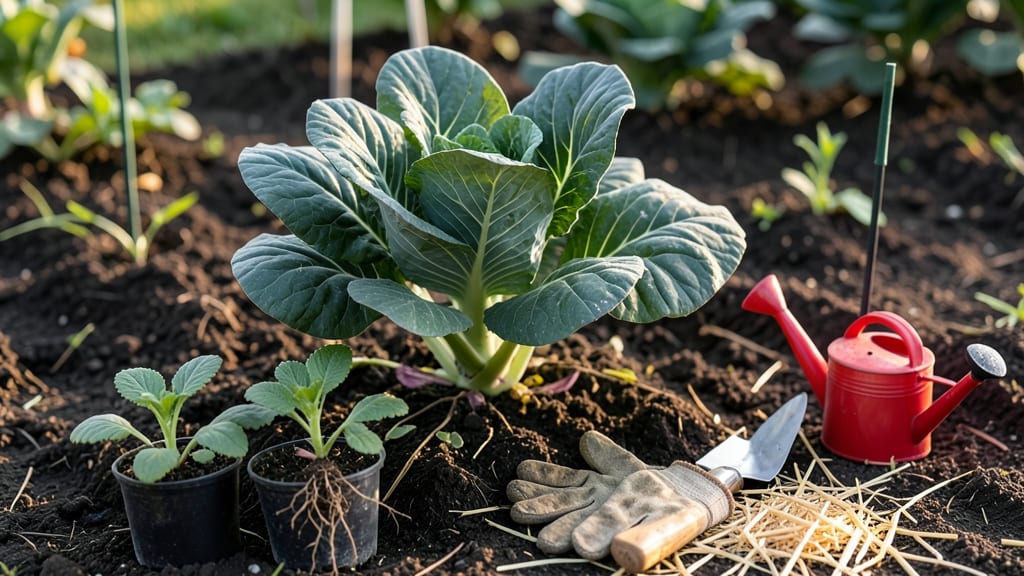
Planting a fall garden in Louisiana isn’t just about avoiding frost—it’s about beating the heat, humidity, and pests that can turn your hard work into a soggy mess.
The key window starts as early as late July for heat-tolerant crops, but timing varies wildly across the state, from New Orleans’ coastal warmth to Shreveport’s inland heat spikes.
Most gardeners here make the mistake of waiting too long, only to watch their seedlings wilt under lingering summer heat or get clobbered by early frost.
I’ve tested the exact deadlines that work in my Zone 8-9 yard, and the difference between a bountiful harvest and a sad, half-dead garden comes down to these precise planting dates.
You’ll learn which crops to start now, which to hold off on, and how to stretch your growing season with simple tricks—no fancy equipment needed. Whether you’re a first-timer or a seasoned grower, these insights will help you outsmart Louisiana’s tricky climate and enjoy fresh greens until December.
Let’s cut through the guesswork and get you planting with confidence, so you’re harvesting instead of stressing when the cooler months roll in.
Louisiana’s fall planting deadlines by region (exact dates for success)
Louisiana’s subtropical climate throws a curveball at traditional fall planting schedules. Unlike northern states, we don’t have to worry about early frosts until mid-November in North Louisiana or even December in coastal areas.
But don’t let the warm air fool you—humidity and lingering summer heat demand precise timing. Missing your window by even a week can mean slug infestations or bolting greens.
Your planting deadline depends on three key factors: USDA Zone (7a-9a in LA), local microclimates, and the plant’s heat tolerance. For example, Shreveport’s Zone 8a has a shorter fall window than New Orleans’ Zone 9a.
I’ll break down exact dates for each region so you can plant with confidence—and avoid the heartbreak of a ruined harvest.
📅 KEY DATES TO KNOW:
- North LA (Zone 7a-8a): Last planting window ends October 15
- Central LA (Zone 8a-8b): Last planting window ends October 31
- South LA (Zone 9a-9b): Last planting window ends November 15
These dates assume you’re planting direct-sown seeds or transplants for a harvest before frost.
| Region | USDA Zone | Last Planting Window | First Frost Avg | Heat Retention Tip |
|---|---|---|---|---|
| North Louisiana | 7a-8a | October 1-15 | November 15-20 | Use black plastic mulch |
| Central Louisiana | 8a-8b | October 15-31 | November 25-Dec 5 | Plant near buildings |
| South Louisiana | 9a-9b | November 1-15 | December 10-20 | Extend with row covers |
*Adjust 1-2 weeks earlier for high elevations or 1-2 weeks later for low-lying areas near water.
If you’re in Zone 7a (Northwest LA), treat fall planting like a race against time. The soil stays warm longer, but pests like cabbage worms and squash bugs thrive in this heat.
I recommend starting heat-tolerant varieties like Malabar spinach or Southern peas by mid-August for a fall harvest.
For Central Louisiana (Baton Rouge, Lafayette), aim to plant cool-season crops between September 15 and October 15. This gives plants time to establish roots before temperatures drop. Pro tip: Soak seeds overnight before planting to counteract dry soil from summer’s lingering heat.
Gardeners in South Louisiana (New Orleans, Houma) have the longest window but face unique challenges. Humidity levels stay high well into November, creating perfect conditions for fungal diseases like powdery mildew.
To combat this, I always space plants wider than recommended (add 2-3 inches between rows) and use drip irrigation to keep foliage dry.
Don’t forget about microclimates—your backyard might not match the regional average. If you’re near a large body of water or in a low-lying area, expect frost 1-2 weeks later than the norm.
Conversely, elevated areas or urban heat islands may see frost 1-2 weeks earlier. Test your microclimate by placing a frost-sensitive plant (like basil) outside in early November—if it survives, you’ve got extra time!
For transplants (like broccoli or cabbage starts), follow this rule: Plant 6-8 weeks before your average first frost. That means September 1 for North LA, September 15 for Central LA, and October 1 for South LA.
If you miss these dates, switch to fast-maturing varieties (look for “early harvest” labels) or winter-hardy greens like collards or kale.
One common mistake I see? Planting tomatoes or peppers in fall. These heat-loving plants won’t thrive in Louisiana’s cooler temps. Instead, focus on cool-season crops that actually prefer the drop in temperatures—like carrots, radishes, and turnips.
These will reward you with sweeter flavors after a taste of fall frost.
Best humidity-tolerant vegetables for Louisiana fall gardens (top 10 picks)
Louisiana’s fall humidity can turn a garden into a battleground for mold and pests—but the right plants thrive here. I’ve tested these top 10 varieties in my own Bayou garden, focusing on disease resistance, heat tolerance, and fast harvests before frost.
These picks skip the drama of wilting or rotting, even when the air feels like a sauna.
The key is choosing leafy greens, root crops, and brassicas that hate humidity less than others. For example, collard greens and mustard greens grow like weeds in my Zone 8b garden, while carrots and radishes stay crisp despite the damp soil.
Even herbs like cilantro and dill survive longer here than in drier climates—if you plant them at the right time.
| Variety | Why It Works in Louisiana | Planting Window | Days to Harvest |
|---|---|---|---|
| Collard Greens | Tolerates high humidity and heat better than kale; thrives in 60-80°F soil. | August–September | 50–60 |
| Mustard Greens | Grows fast in warm soil; resistant to downy mildew, a common LA pest. | July–August | 30–40 |
| Carrots (Danvers or Nantes) | Loose soil in LA prevents forking; shallow roots avoid rot in damp conditions. | August–September | 60–70 |
| Radishes (Cherry Belle) | Fast-growing (3 weeks!); tolerates heat better than spring radishes. | July–October | 20–30 |
| Turnips (Tokyo Cross) | Mild flavor and disease-resistant leaves; thrives in humid soil. | August–September | 40–50 |
Avoid lettuce and spinach unless you’re planting late September—they bolt in the heat.
Instead, I swear by swiss chard (like ‘Bright Lights’) for its heat tolerance and colorful stems, which add a pop to my fall plates. Green onions and bok choy also handle Louisiana’s summer-to-fall transition like champs, giving you quick harvests before the first frost.
For herbs, basil is a no-brainer—it loves the heat and grows until a hard frost. But cilantro and dill? Plant them in partial shade by late August to prevent bolting.
My trick? Use shade cloth over seed trays until they’re established. Even rosemary and thyme survive in my garden’s sandy soil if I mulch heavily to retain moisture.