
Plants
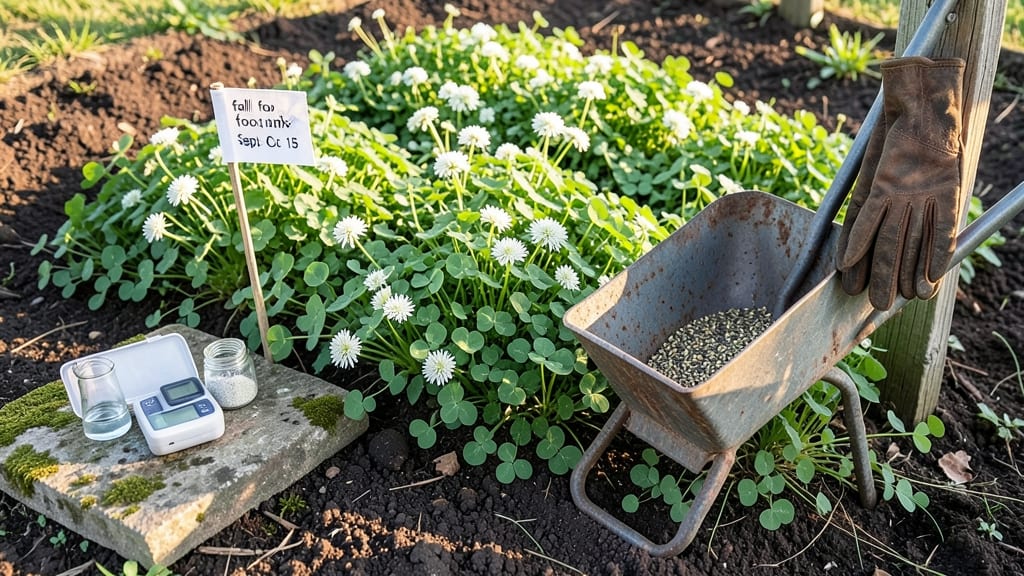
If you're planting fall food plots in Georgia this year, timing could mean the difference between a bumper crop and wasted seeds. Georgia's USDA Zones 7b-8a demand precision—plant too early, and you'll battle summer heat; too late, and frost will cut your forage short before deer even get a taste.
Most hunters know the late July to early September window is critical, but what you don't always hear is how soil temperature and local microclimates can shift those dates by weeks. A 5°F drop in nighttime temps can stall germination overnight, while a heatwave might push your ideal window back.
This isn't just about throwing seeds in the ground—it's about creating a nutrient-rich buffet that peaks when bucks are most active. I'll break down the exact planting schedule for Georgia's top crops, from clover to brassicas, so you can maximize deer impact before the first frost hits.
Ready to turn your food plot into a whitetail magnet? Let's get started with the 3 key factors that separate successful plots from failed ones.
Optimal planting windows for fall food plots in Georgia (Zone 7b-8a)
Georgia’s fall food plots thrive when planted between late July and early September, but the exact timing depends on your crop selection and local microclimate.
In USDA Zone 7b-8a, the goal is to establish forage before the first frost—typically late November to early December—while avoiding the brutal summer heat that can stress young plants.
For cool-season crops like clover and brassicas, aim for mid-August to early September planting. These varieties need 4-6 weeks to establish strong roots before winter sets in. Meanwhile, warm-season crops like sorghum-sudangrass should go in late July to capitalize on summer warmth before temperatures drop.
Here’s the key: Soil temperature must be 50-65°F for germination. Test your soil with a soil thermometer—if it’s above 80°F, wait for cooler nights.
In north Georgia (Zone 7b), early frosts can arrive sooner, so plant 2-3 weeks earlier than in south Georgia (Zone 8a), where mild winters extend the growing season.
Microclimates matter too. Valleys and low-lying areas cool faster and may need earlier planting, while ridges and south-facing slopes stay warmer longer. If you’re unsure, err on the side of planting earlier—you can always thin or overseed later.
🌾 Georgia Fall Food Plot Planting Timeline
| Crop Type | Best Planting Window | Soil Temp Requirement | Days to Establishment | Deer Preference |
|---|---|---|---|---|
| Clover (White/Crimson) | Mid-August to Early Sept | 50-65°F | 21-30 days | High (protein-rich) |
| Brassicas (Turnips/Radishes) | Late August to Mid-Sept | 55-70°F | 14-21 days | Very High (fast growth) |
| Cereal Rye | Late July to Early Aug | 60-75°F | 10-14 days | Moderate (winter forage) |
| Chicory | Early Sept to Mid-Sept | 50-60°F | 28-42 days | High (late-season browse) |
| Sorghum-Sudangrass | Late July to Early Aug | 70-85°F | 14-21 days | Very High (summer/fall) |
*Adjust dates 1-2 weeks earlier for Zone 7b (north GA) or later for Zone 8a (south GA).
Pro tip: If you’re planting mixed-species plots, stagger your seeding. Start with fast-growing brassicas in late August for immediate deer attraction, then add clover or rye in early September for long-term forage. This ensures continuous browse from fall through winter.
Don’t overlook rainfall patterns. Georgia’s fall droughts (common in October) can stress young plants. If your forecast shows dry conditions, prioritize drought-tolerant crops like chicory or sorghum-sudangrass, or plan to irrigate lightly until roots establish.
Finally, mark your calendar for October 15th—this is the ideal deadline for planting most fall crops in Zone 7b. After this, the risk of frost increases, and your food plot’s nutritional value will suffer.
For Zone 8a, you can push it to November 1st, but monitor weather updates closely.
Timing your food plot right means healthier plants, better deer attraction, and less wasted seed. Get it wrong, and you’ll spend next hunting season watching deer pass by your brown, frost-killed plots instead of feasting on them. 🌾
How soil temperature and weather affect fall food plot success in Georgia
Georgia’s fall food plots thrive when planted at the right soil temperature—too hot or too cool, and your germination rates will suffer. In USDA Zones 7b-8a, soil temps above 85°F can stall seed germination, while temps below 60°F slow growth. Aim for 65-75°F for optimal establishment.
Heatwaves in late summer often delay planting, forcing hunters to wait until early September. Use a soil thermometer to check temps before planting—this small tool can save you weeks of wasted effort. If temps are too high, wait for cooler evenings or plant shade-tolerant crops like clover mixes.
Early frosts in northern Georgia (like Zone 7b) can arrive as early as late November, cutting your growing season short. To maximize forage, plant fast-growing crops like rye or winter peas by mid-August. These varieties establish quickly and provide nutrient-rich forage before frost.
Pre-planting soil prep is just as critical as timing. Test your soil pH—most fall food plot crops prefer 6.0-7.0. If your soil is too acidic, add lime 4-6 weeks before planting.
Also, till the soil to 1-2 inches deep to create a seed-friendly environment. Compacted soil can choke young seedlings.
Rainfall patterns in Georgia’s fall vary by region. Southern Georgia (Zone 8a) often sees drier conditions in October, while northern areas (Zone 7b) may experience heavy rains.
Monitor your local weekly forecast and adjust watering accordingly. Deep watering (1 inch per week) is better than frequent light watering, which encourages shallow roots.
Finally, consider microclimates on your property. South-facing slopes warm up faster and dry out quicker, while low-lying areas stay cooler and retain moisture longer. Plant drought-tolerant crops like chicory on slopes and moisture-loving varieties like turnips in low spots. This simple adjustment can double your success rate.