
Plants
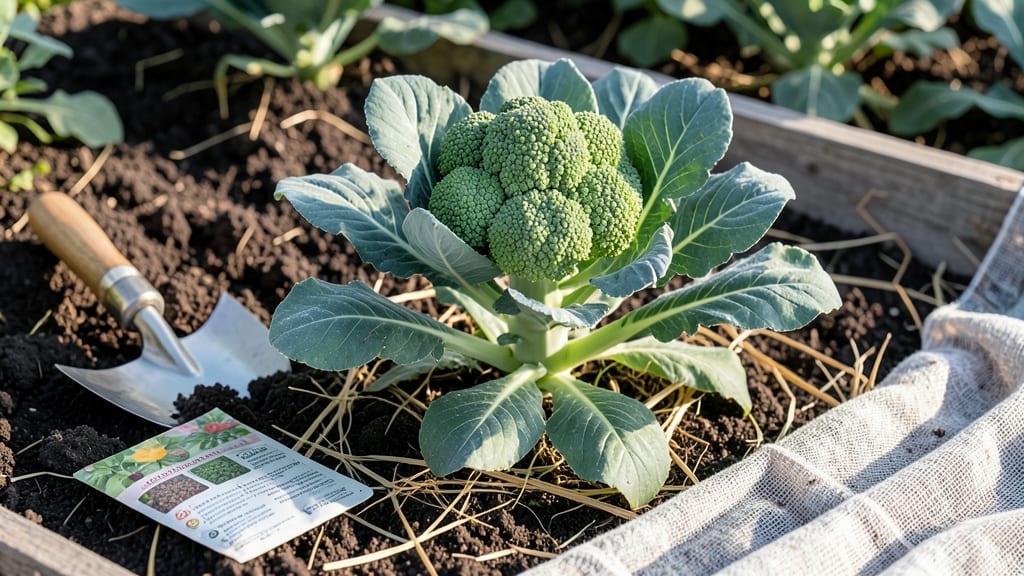
Timing your fall broccoli planting in Zone 6 can mean the difference between a thriving harvest and a bolted disappointment. With just 4-6 weeks before the first frost, you’ve got a narrow window to get it right—but don’t worry, I’ve got the exact strategy to maximize your 🥦 yield.
Most gardeners in Zone 6a/6b rush planting because they think "late summer" means "as soon as possible." But the truth is, planting too early in hot soil or too late before frost can ruin your crop.
The key is understanding how temperature and daylight affect broccoli’s growth cycle—and I’ll break it down so you never miss the sweet spot.
You’ll learn how to adjust for your specific microclimate, whether you’re dealing with rocky soil or a backyard that stays cooler than the neighbors’.
We’ll also cover the top 3 broccoli varieties that thrive in Zone 6’s fall conditions, so you can pick the one that fits your timeline and taste preferences.
By the end, you’ll know exactly when to plant, how to prep your soil, and what to watch for to avoid common pitfalls like bolting or pests. Let’s get your fall broccoli growing strong—no guesswork, just results.
Optimal fall broccoli planting timeline in Zone 6: exact weeks before frost
Getting your fall broccoli planted at the right time in Zone 6 is all about working with your local frost dates while avoiding summer heat stress.
The ideal window starts 4-6 weeks before your average first frost, which typically lands between mid-August and early September for most of Zone 6. This timing ensures your broccoli matures before winter sets in, giving you a cool-season harvest when flavors peak.
For Zone 6, aim to plant direct-sown seeds or transplants between August 15 and September 1. This window accounts for the 60-90 days broccoli needs to reach harvest, while also avoiding the bolting risk that comes with late-summer heat.
If you're in a cooler microclimate (like higher elevations), you might push planting to early October, but this is riskier.
Here’s the key: soil temperatures must drop below 75°F for broccoli to thrive. Use a soil thermometer to confirm—if temps stay above 80°F, your plants will struggle. In Zone 6, this usually happens by mid-to-late August, making that your prime planting window.
| Planting Stage | Zone 6 Timeline | Key Considerations |
|---|---|---|
| Direct Sowing | August 15–September 1 | Soil temp <75°F; avoid heat stress |
| Transplanting | August 1–September 10 | Hardened-off seedlings; 4-6 weeks before frost |
| Harvest Window | October–November | 60–90 days after planting; before hard frost |
| Frost Buffer | 4–6 weeks before first frost | Adjust for early/late frost years |
If you’re planting transplants instead of seeds, start with 4-6 week-old seedlings from a nursery. These should be hardened off (acclimated to outdoor conditions) before planting. For best results, choose compact varieties like 'De Cicco' or 'Waltham 29', which mature faster in cool weather.
Plant them 18–24 inches apart in rows 2–3 feet apart to allow airflow and reduce disease risk.
Pro tip: Use row covers or lightweight frost blankets to extend your harvest into early winter. These can protect your broccoli from light frosts (28–32°F), allowing you to harvest well into November or December in Zone 6. Just remove the covers during the day to prevent overheating.
Watch for bolting, where broccoli sends up flower stalks prematurely. This happens when days get too long or temps spike. If your plants bolt, harvest the side shoots (smaller florets) for a second crop, or pull and replant with fast-maturing varieties like 'Calabrese' for a late-season harvest.
For successful fall broccoli, focus on consistent moisture and rich soil. Amend your beds with compost and a balanced fertilizer (10-10-10) before planting. Mulch with straw or leaves to retain moisture and regulate soil temps—this is especially critical in Zone 6’s variable fall weather.
Remember, Zone 6’s frost dates vary by location. Check your local USDA frost map or use a frost calendar app to fine-tune your planting.
In northern Zone 6 (6a), plant earlier (closer to August 1), while southern Zone 6 (6b) can wait until mid-September for a late fall harvest.
With the right timing, your fall broccoli will reward you with tender, flavorful heads—just in time for holiday meals! Start now, and you’ll be harvesting by October. 🥦
Optimal fall broccoli planting timeline in Zone 6: exact weeks before frost
In Zone 6, fall broccoli thrives when planted 4-6 weeks before your first frost date, typically mid-August to early September for most regions. This timing ensures heads mature before winter sets in, delivering sweet, tender harvests even in cooler weather.
For example, if your average first frost arrives October 15, aim to plant by September 1 for a 75-day harvest window.
Direct sowing seeds is ideal for fall broccoli, but transplants work too if started 4-6 weeks before outdoor planting. Seedlings need cool soil temps (below 75°F) to prevent bolting—so avoid planting in late summer heat.
For Zone 6b (warmer microclimates), you might extend planting to mid-September with frost cloth protection.
| Stage | Action | Zone 6 Timeline |
|---|---|---|
| Soil Prep | Amend with compost, test pH (6.0-7.0) | Mid-July to early August |
| Direct Sow | Plant seeds ¼" deep, 18" apart | Mid-August to early September |
| Transplant | Move seedlings 12" apart, harden off first | Late August to mid-September |
| Harvest | Cut heads when 6-8" wide, before flowering | October to November |
Broccoli planted too early may bolt in summer heat, while late plantings risk stunted growth before frost. Use row covers to extend harvests into November if temps stay above 20°F. For successive plantings, stagger seeds every 2 weeks in August for continuous harvests.
Cooler fall temps actually improve broccoli flavor—unlike summer-grown heads, which can taste bitter. Aim for 50-65°F daytime temps during growth. If your area experiences early frosts, prioritize fast-maturing varieties (e.g., 'Waltham 29') to ensure a harvest before winter.
Mulch with straw or leaves after planting to regulate soil temps and retain moisture. This helps seedlings establish roots before fall rains or drought stress set in. Avoid overwatering, as soggy soil invites rot diseases common in cool, damp fall conditions.
Protect young plants from cabbage worms and aphids with neem oil or row covers. These pests thrive in fall’s mild weather, but early intervention keeps your broccoli healthy and productive until harvest. 🥦