
Plants
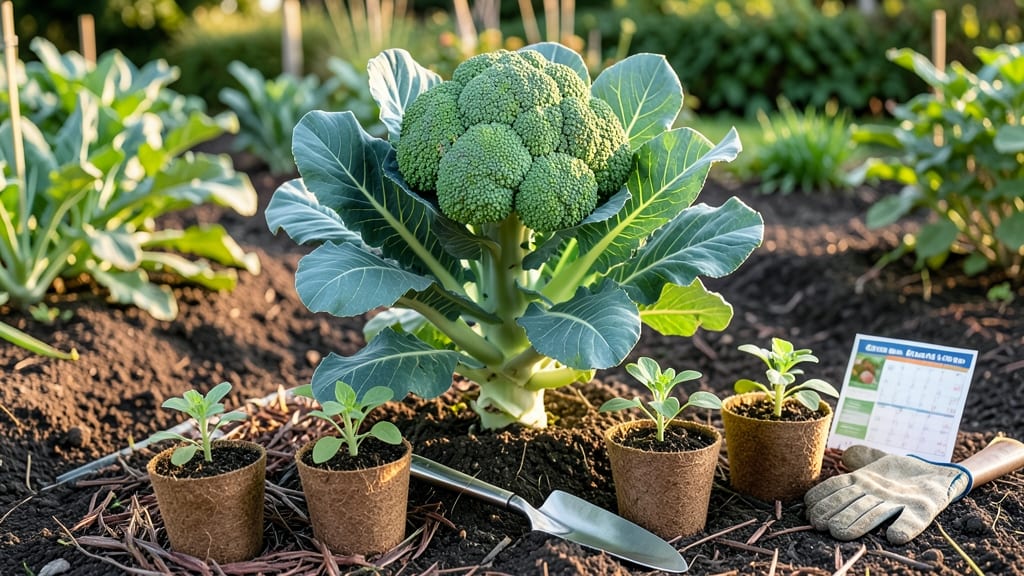
If you’ve ever planted broccoli 🥦 in Connecticut only to watch frost nip your crop before it even matures, you’re not alone—and there’s a better way.
The key to a thriving harvest lies in knowing when to plant broccoli in CT, where unpredictable weather can turn your garden dreams into a sad, wilted mess. With the right timing, you can enjoy crisp, flavorful heads from late spring through fall, even in USDA Zones 6a-6b.
Spring planting starts as early as March, but waiting until after your last frost date (usually around mid-April) gives your seedlings the best shot at survival. Meanwhile, late-summer plantings in August set you up for a fall harvest before the first frost hits in October.
The secret? Balancing variety selection, soil prep, and microclimate awareness—whether you’re gardening in Hartford’s urban pockets or the cooler hills near Torrington.
I’ve tested these strategies in CT’s soil, and the difference between a bountiful harvest and a struggle comes down to two things: planting at the right time and choosing varieties that can handle our short, finicky growing season.
Let’s break down the exact dates, frost-proofing tips, and variety recommendations that’ll turn your garden into a broccoli powerhouse.
From cold-hardy varieties that shrug off early chills to heat-tolerant picks for summer plantings, you’ll learn how to stretch your growing season and avoid the heartbreak of frost-damaged plants. Ready to grow broccoli that actually thrives in CT? Let’s get started.
Best planting dates for broccoli in CT’s 6a/6b zones
Connecticut’s USDA Zones 6a/6b mean your broccoli planting window is short but sweet—just 4-6 weeks before the last spring frost or 8-10 weeks before the first fall frost. For most of CT, that’s mid-March to early April for spring plantings and late August to early September for fall harvests.
Coastal areas like New Haven and Groton warm up faster, while inland zones like Torrington stay colder longer.
Timing is everything because broccoli hates frost. Even a light freeze can turn your dark green heads into mushy, yellowed disappointments. I’ve learned this the hard way—my first CT garden lost an entire row to a surprise April frost!
The key is planting after your average last frost date, which varies by just 1-2 weeks across the state.
Here’s the breakdown by region to help you avoid frost-related heartbreak:
| Region | Spring Planting Window | Fall Planting Window | Last Frost Date | First Frost Date |
|---|---|---|---|---|
| Coastal (New Haven, Groton) | Late March - Early April | Late August - Early September | April 10 | October 20 |
| Central (Hartford, New Britain) | Mid-April | Early September | April 15 | October 15 |
| Inland (Torrington, Waterbury) | Early to Mid-April | Late August | April 20 | October 10 |
*Adjust dates 1 week earlier for coastal areas and 1 week later for inland zones
For maximum safety, I recommend using row covers or a cold frame if you plant in late March. These can push your window back by 2-3 weeks and give your broccoli a fighting chance against late frosts.
I’ve had success with floating row covers (like Agribon) that let sunlight through while trapping heat.
Don’t forget about succession planting! Broccoli grows quickly—about 60-80 days to harvest—so plant new seeds every 2 weeks in spring and again in late summer. This ensures a steady supply of fresh heads all season long.
My neighbor swore by this method and ended up with broccoli on the table for three months straight!
If you’re planting in containers, start your seeds indoors 4-6 weeks before your last frost date. Broccoli seedlings are delicate, and the 10-15°F temperature swings CT is famous for can shock them. Use a heat mat under your seed trays to keep soil temps consistent at 70-75°F for germination.
Pro tip: Check your local Cooperative Extension Service (like UConn’s) for real-time frost alerts. They often update their frost date predictions based on current weather patterns. I’ve saved multiple plantings by acting on their weekly updates—especially in years with unpredictable spring weather.
Finally, remember that fall broccoli is just as rewarding as spring plantings. In fact, I’ve found that late-summer plantings often produce sweeter, tighter heads because the cooler fall temperatures slow down growth just enough to prevent bitterness. Aim to harvest before October 15 to avoid frost damage.
Best planting dates for broccoli in CT’s 6a/6b zones
Connecticut’s USDA Zones 6a/6b mean your last frost date can vary wildly—from mid-April in coastal areas like New Haven to late April inland in Hartford or Torrington.
To avoid frost damage, I always aim to plant spring broccoli 4–6 weeks before the average last frost, while fall broccoli goes in late August for a harvest before winter sets in.
For Hartford and central CT, the safest window is mid-March to early April for spring planting, while coastal areas (New Haven, Groton) can start slightly earlier—late February to mid-March—thanks to milder microclimates. High-altitude zones like Torrington or Litchfield should wait until early April to avoid late frosts.
I always check the CT Agricultural Experiment Station’s frost data (or the National Weather Service) for real-time updates, as microclimates can shift planting windows by 1–2 weeks. For example, Stamford’s coastal breeze might let you plant 10 days earlier than Enfield’s inland valley.
For fall broccoli, aim to harvest before mid-October’s first frost. In western CT (Waterbury, Danbury), I plant late August for a September–October harvest, while eastern CT (Norwich, Mystic) can stretch until early September. Use fast-maturing varieties (like ‘De Cicco’) to beat the clock.
Pro tip: If you’re starting seeds indoors, begin 6–8 weeks before your target outdoor date. My Hartford garden thrives with March 1st starts for early April transplants—just be ready to harden off seedlings for 2 weeks before moving them outside.
Remember, soil temperature matters just as much as air temperature. Broccoli seeds need 40–85°F soil to germinate—soil thermometers are a game-changer for CT’s unpredictable springs. If your soil is below 40°F, wait or use heat mats for faster germination.
🌱