
Plants
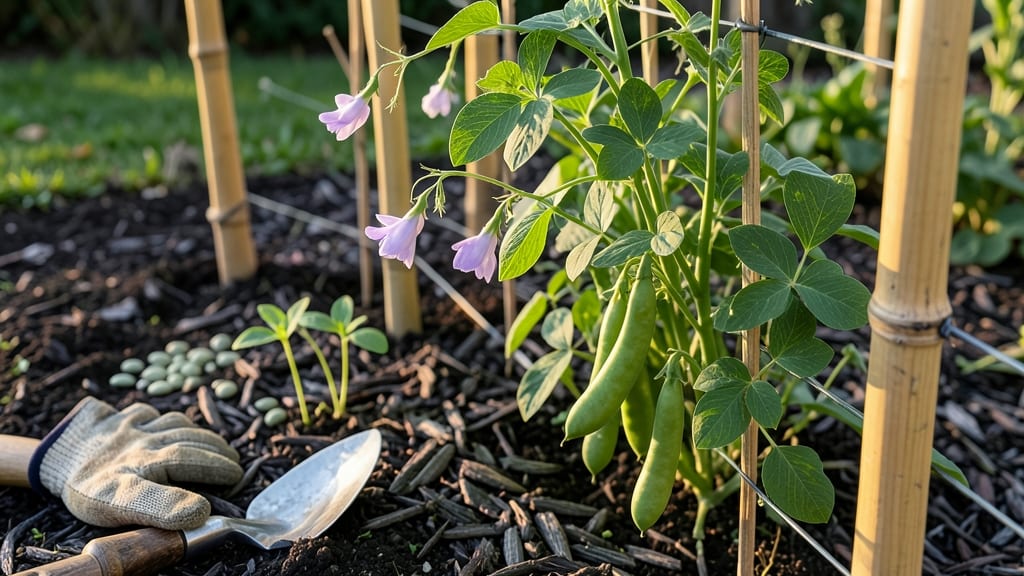
Planting English peas 🌱 at the wrong time in Alabama can mean the difference between a bountiful harvest and wasted effort. The perfect window for sowing these cool-weather crops is narrow—miss it, and you risk frost damage or stunted growth from summer heat.
In Alabama’s 7a-8b zones, timing varies by region: North Alabama gardeners should aim for late February to early March, while South Alabama can start as early as January. Fall planting works too, but you’ll need to get seeds in the ground by August to avoid early freezes.
I’ll walk you through the exact frost-free dates for your county, plus pro tips like soil prep and companion planting to ensure your peas thrive. Whether you’re a first-time gardener or a seasoned grower, these insights will help you maximize your harvest—no guesswork required.
Ready to turn your garden into a pea patch? Let’s dive into the best planting strategies tailored for Alabama’s climate, so you can enjoy fresh, sweet peas from April through November.
Alabama English pea planting dates by county: frost-free window guide
Alabama’s diverse climate means planting English peas varies dramatically from the cool highlands of the north to the warmer coastal plains of the south.
The last average frost date in North Alabama (like Madison County) is around March 15, while South Alabama (like Mobile County) sees frost-free conditions by February 20. Timing your pea seeds correctly ensures strong germination and disease resistance.
For spring planting, aim to sow 4-6 weeks before your county’s last frost date. This gives peas time to establish roots before soil temperatures rise above 50°F.
Fall planting should occur 8-10 weeks before the first frost (typically late August to early September), allowing peas to mature before winter chill sets in.
English peas thrive in Alabama’s USDA Zones 7a-8b, but microclimates create exceptions. For example, mountainous areas like DeKalb County may need late-March planting, while coastal regions like Baldwin County can start as early as January for heat-tolerant varieties.
| Region | Last Frost Date | Spring Planting Window | Fall Planting Window | Recommended Varieties |
|---|---|---|---|---|
| North Alabama (e.g., Madison, Marshall) | March 15 | February 20 - March 15 | August 15 - September 1 | ‘Sugar Snap’, ‘Lincoln’ |
| Central Alabama (e.g., Jefferson, Shelby) | March 1 | February 1 - March 1 | August 1 - August 20 | ‘Green Arrow’, ‘Oregon Sugar Pod’ |
| South Alabama (e.g., Mobile, Baldwin) | February 20 | January 15 - February 20 | July 15 - August 10 | ‘Wando’, ‘Tom Thumb’ |
| Highland Areas (e.g., DeKalb, Etowah) | March 25 | February 28 - March 25 | August 20 - September 5 | ‘Little Marvel’, ‘Alaska’ |
Use this county-by-county guide to avoid frost damage or heat stress. For example, Mobile County gardeners can start ‘Wando’ peas in January, while Huntsville’s cooler climate demands March planting for the same variety. Always check your local USDA frost map for year-to-year variations.
Soil temperature is just as critical as air temperature. Peas germinate best when soil reaches 40-50°F. Use a soil thermometer to confirm readiness—cold, wet soil delays germination and invites root rot.
In North Alabama, wait until late February to plant; in South Alabama, January is ideal if soil isn’t waterlogged.
For fall harvests, prioritize heat-tolerant varieties like ‘Wando’ or ‘Oregon Sugar Pod’. These handle summer heat better than traditional types. Plant 8-10 weeks before your first frost (typically late August in North Alabama and July in South Alabama) to ensure pods mature before winter chill.
Pro tip: Succession planting every 2 weeks extends your harvest. In Alabama’s 210-day frost-free season, this means 3-4 plantings per year. Start with early varieties (like ‘Sugar Snap’) in February, then switch to mid-season types (like ‘Lincoln’) in March
How to adjust planting time for Alabama’s microclimates and varieties
Alabama’s diverse climate means northern counties like Madison and Jackson can plant peas 2-3 weeks earlier than coastal areas like Mobile or Baldwin. High elevations (above 1,000 ft) often see later frost dates—check your USDA zone (7a-8b) for precision.
I always adjust my planting schedule based on these microclimates to avoid frost damage.
For spring planting, aim for 4-6 weeks before your county’s average last frost date. In North Alabama, this means late February to early March, while South Alabama gardeners should wait until mid-March.
Use heat-tolerant varieties like ‘Green Arrow’ for later plantings if summer heat arrives early.
- Early Varieties: ‘Sugar Snap’ (55-60 days) – Plant late February in North AL, early March in South AL
- Mid-Season: ‘Little Marvel’ (60-65 days) – Plant early March statewide
- Late/Heat-Tolerant: ‘Green Arrow’ (65-70 days) – Plant mid-March for summer harvests
- Fall Planting: All varieties – Sow late August for October harvests
Soil temperature is critical—peas won’t germinate well below 40°F (4°C). Use a soil thermometer to confirm readiness. In cooler microclimates like DeKalb County, I’ve seen success with row covers to warm soil faster. For warmer areas like Escambia County, focus on shade cloth during peak summer heat.
Adjust your planting depth based on soil moisture. In dry regions, plant seeds 1.5 inches deep for better moisture retention. In wet areas, shallow plant at 1 inch deep to prevent rot. I always test soil moisture by squeezing a handful—if it crumbles, it’s ready for seeds.
Fall planting requires extra care. Start seeds indoors 6-8 weeks before your first frost date (late November in most of Alabama) or direct-sow by late August. Choose dwarf varieties like ‘Tom Thumb’ for smaller spaces or trellised varieties like ‘Oregon Sugar Pod’ to save room.
Pro tip: Plant radishes or lettuce alongside peas—they thrive in similar conditions and mark pea rows clearly. This companion planting trick saves space and deters pests like pea weevils. Always rotate crops yearly to prevent soil-borne diseases.