
Plants
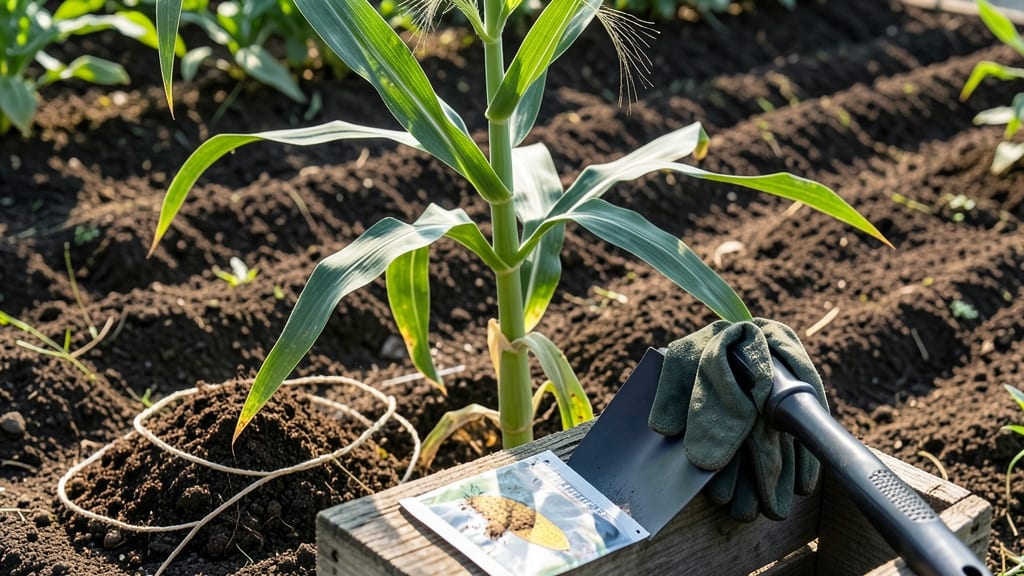
Timing your corn planting in North Alabama isn’t just about following a calendar—it’s about beating frost, warming soil, and catching that sweet spot between mid-April and early June when 🌽 really takes off.
Get it wrong, and you’ll either lose your crop to late frosts or watch your ears turn tough before peak season. The difference between a bumper harvest and a bust often comes down to knowing exactly when to drop those seeds into 60°F+ soil in USDA Zone 7a.
Here’s the thing: North Alabama’s spring is famously unpredictable, with frost lingering until March 15 in some areas while soil temperatures play catch-up.
That’s why I’ve dug into Alabama Extension’s data to break down the ideal planting windows for sweet corn, field corn, and popcorn—plus how to adjust if you’re in a cooler microclimate like Huntsville versus a warmer spot near Decatur.
Spoiler: It’s not just about dates; it’s about soil thermometers and watching those silks turn brown.
What you’ll discover is that planting too early risks frost damage, while waiting too long can mean smaller ears or starchy kernels by harvest time. We’ll cover succession planting tricks to stretch your harvest from July through September, plus companion plants that actually boost your corn’s growth in this region.
No guesswork—just science-backed timing for the best-tasting, most productive corn in your garden.
Ready to turn your patch of North Alabama dirt into a cornfield goldmine? Let’s get into the exact steps, tools, and watch-for signs that’ll have you harvesting plump, sweet ears like a pro—without the trial-and-error headaches.
North Alabama corn planting dates by variety: sweet vs field vs popcorn
Timing your corn planting in North Alabama’s USDA Zone 7a/7b means balancing soil temperatures, frost dates, and your chosen variety. Sweet corn, field corn, and popcorn each have unique windows—plant too early and risk frost damage, too late and miss peak sweetness.
The Alabama Extension Service recommends waiting until soil reaches 50°F+ for germination, but 60°F+ for optimal growth.
North Alabama’s last average frost date hovers around March 15, but pockets of late frost can linger into April. For field corn (used for grain), you’ll need a longer growing season, while sweet corn varieties mature faster.
Popcorn, often treated like sweet corn, also benefits from early planting to avoid summer heat stress.
Here’s how to align your planting with North Alabama’s climate for each type:
| Variety | Ideal Planting Window | Soil Temp Requirement | Days to Maturity | Notes for North Alabama |
|---|---|---|---|---|
| Sweet Corn | Mid-April to early May | 60°F+ | 60–90 days | Plant early varieties (e.g., 'Silver Queen') first, then succession plant every 2 weeks for continuous harvests. |
| Field Corn | Late April to early June | 55°F+ | 100–120 days | Needs longer season—avoid late plantings unless using short-season varieties like 'Pioneer Brand 33B48'. |
| Popcorn | Early to mid-May | 60°F+ | 85–100 days | Plant after last frost to avoid ear rot. Varieties like 'Glass Gem' thrive in warm summers. |
🌽 Pro Tip: Use a soil thermometer to confirm readiness—corn won’t germinate below 50°F.
For sweet corn, I recommend starting with early-maturing varieties like 'Peaches and Cream' or 'Bodacious' in mid-April. These can handle North Alabama’s cool springs while still delivering tender kernels by July. If you’re in a higher-elevation area (e.g., Huntsville), wait until early May to avoid late frosts.
Field corn, often overlooked by home gardeners, is perfect for grain or livestock feed. Plant late April to early June for a full-season harvest in North Alabama. Varieties like 'Mo17' or 'Pioneer Brand 33B48' are drought-tolerant and ideal for the region’s variable rainfall.
Popcorn lovers should prioritize mid-May plantings to ensure ears develop fully before summer heat sets in. Unlike sweet corn, popcorn needs consistent warmth—plant too early and risk poor kernel formation. Choose heirloom varieties like 'Strawberry Popcorn' for unique flavors and colors.
Succession planting is key for continuous harvests of sweet corn. After your first planting in mid-April, add new rows every 2 weeks until early June. This stretches your harvest from July through September, ensuring fresh ears when your family craves them most.
North Alabama’s summer heat can stress corn, especially in July and August. If you’re planting late (e.g., early June), opt for heat-tolerant varieties like 'Ambrosia' or 'Golden Bantam'. Mulch with straw or grass clippings to retain moisture and regulate soil temperature.
Don’t forget to test your soil pH before planting—corn thrives in 6.0–6.8 range. North Alabama’s clay-heavy soils often need amendments like compost or lime to improve drainage. A simple soil test kit ($20 at garden centers) will save you from guesswork.
For organic gardeners, consider companion planting with beans or squash. These plants fix nitrogen in the soil, reducing the need for synthetic fertilizers. Just avoid planting near tomatoes or potatoes, which can compete for nutrients.
🌱 Final Tip: Mark your calendar for July 4th weekend—this is prime time for sweet corn harvests in North Alabama. With the right timing and care, you’ll enjoy homegrown ears fresh from the cob!
How to adjust corn planting timing for North Alabama’s microclimates
North Alabama’s varied elevations create microclimates that can shift your ideal corn planting dates by weeks. Huntsville’s higher altitude (USDA Zone 7a) often experiences cooler soils 2–3 weeks longer than Decatur’s lower elevations (Zone 7b). This means your neighbor’s perfect timing might leave your plants vulnerable to frost.
To fine-tune your schedule, check local frost dates from the Alabama Extension Service—Huntsville’s last frost averages April 15, while Decatur’s is April 1. Use a soil thermometer to confirm 60°F+ soil temps before planting, as cold soil delays germination by 3–5 days per 10°F drop.
For high-altitude areas, delay planting until mid-May to avoid late frosts. In valleys or southern exposures, you can start as early as late March if using row covers for frost protection.
Always plant sweet corn varieties first—they mature faster and give you a 2–3 week harvest window before field corn or popcorn catch up.
⚠️ Microclimate Warning
Never rely on neighbor’s planting dates—a 100-foot elevation change can mean 10°F soil temperature differences. Use 3+ years of local records to adjust your schedule.
Pro Tip: Plant test rows every 2 weeks in April to track which timing yields the best ears.
Use frost date calculators like the Old Farmer’s Almanac or NOAA’s Climate Data to input your exact ZIP code. These tools account for historical trends and can show you 10-year averages for your specific microclimate. For example, Cullman’s last frost often comes 7 days later than Birmingham’s.
If you’re planting field corn or popcorn, which take 90–120 days to mature, aim for late April to early May in most of North Alabama. These varieties need longer growing seasons and benefit from warmer soil temps to develop sturdy stalks.
Always plant 1–2 weeks earlier in southern exposures or protected microclimates.
For succession planting, stagger your corn every 2 weeks from April to June to ensure a continuous harvest. In cooler microclimates, your last planting should finish by June 15 to avoid early fall frosts cutting harvests short.
Keep a planting journal to track which dates work best in your yard.
Finally, watch for unpredictable late frosts—even in May. If a 28°F frost warning appears, cover young plants with frost cloth or row covers for 2–3 nights to protect tender shoots. With these adjustments, you’ll maximize your corn yield despite North Alabama’s variable climate. 🌽