
Plants
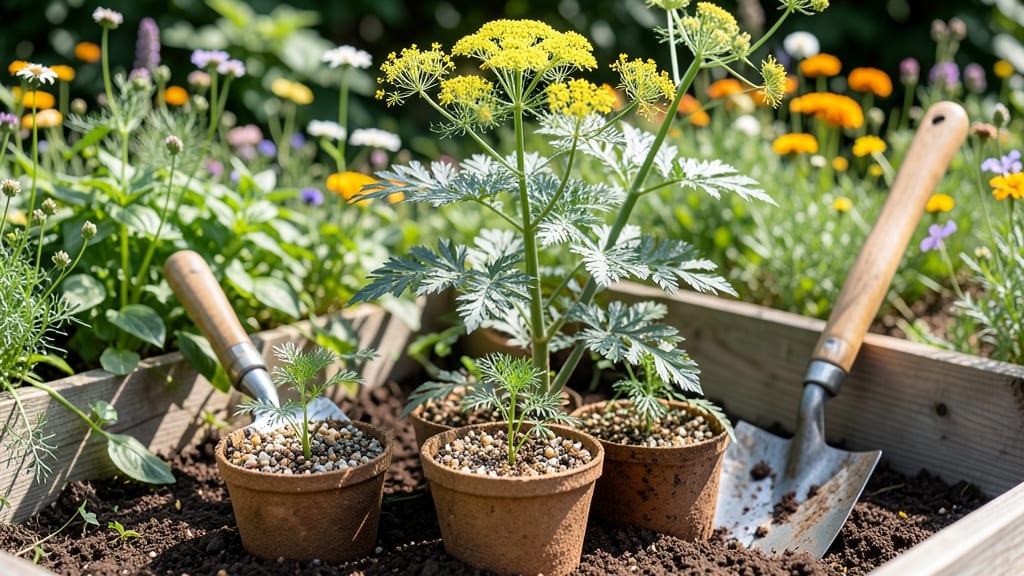
Timing your dill planting in Texas is everything—get it wrong, and you’ll either face scorching heat or early frost wiping out your 🌿 before it even starts.
The difference between a thriving herb garden and a sad, wilted disappointment often comes down to knowing when to plant in your specific region.
In Texas, where USDA zones range from 7b-8a in North Texas to 9a-11 in the South, the best windows are late winter to early spring (February–March) and late summer to early fall (August–September).
These periods give dill the ideal balance of warmth and moisture it craves without pushing it too close to extreme temperatures.
Why does this matter? Dill is frost-sensitive but also struggles in relentless summer heat—especially in North Texas, where last frost dates vary wildly. Plant too early, and you risk losing your crop to cold snaps; too late, and the Texas sun can turn your plants into crispy, flavorless stalks.
I’ll break down the exact deadlines by region, plus Texas-specific tips for soil, watering, and shade to ensure your dill thrives. Let’s make sure your herb garden doesn’t become a cautionary tale.
Texas dill planting deadlines by region: avoid frost & heat stress
Texas's diverse climate means dill planting windows vary dramatically from North to South Texas. In North Texas (USDA Zones 7b-8a), the last frost typically hits around February 15, while South Texas (Zones 9a-11) rarely sees frost after January 15.
These differences create critical planting deadlines to avoid frost damage or summer heat stress.
For spring planting, aim to sow dill seeds 4-6 weeks before your last frost date. This gives seedlings time to establish before temperatures climb.
In Central Texas (Zones 8a-9a), that means starting seeds by early February, while South Texas gardeners can plant as early as mid-January.
Summer planting is trickier—dill bolts (goes to seed) quickly in heat. For a fall harvest, plant seeds 8-10 weeks before your first frost. In North Texas, that’s around late July, while South Texas can extend planting until mid-August.
Here’s a quick reference for your region’s frost-free deadlines and ideal planting windows:
| Region | Last Frost | First Frost | Spring Planting Window | Fall Planting Window |
|---|---|---|---|---|
| North Texas (7b-8a) | Feb 15 | Dec 15 | Feb 1 - Mar 15 | Jul 20 - Aug 15 |
| Central Texas (8a-9a) | Feb 1 | Dec 1 | Jan 15 - Mar 1 | Jul 30 - Aug 30 |
| South Texas (9a-11) | Jan 15 | Nov 30 | Jan 1 - Feb 28 | Aug 1 - Sep 15 |
If you miss the spring window, don’t panic—fall planting often yields better flavor in Texas’s heat. Dill thrives in cooler fall temperatures (60-75°F) and avoids the bolting stress of summer. For urban gardeners or those with limited space, consider container growing to extend your planting window.
Pro tip: Use shade cloth (30-50%) during peak summer months (June-August) to protect young seedlings from intense Texas sun. This buys you extra time to transplant or harvest before heat stress sets in.
Remember, dill is an annual, so focus on direct sowing seeds rather than transplanting seedlings. Transplants often struggle with root shock in Texas’s heavy clay soils. For best results, scatter seeds ¼ inch deep and keep soil moist until germination (7-14 days).
Texas’s microclimates can shift planting timelines by weeks. Check your local AgriLife Extension office for hyper-local frost dates—especially if you’re in hill country or coastal areas, where frost patterns differ significantly. A few degrees can mean the difference between a thriving dill plant and a failed crop.
Once you’ve nailed your planting window, choose the right dill variety for your region. Bouquet dill grows quickly and handles heat better than mammoth dill, which can flop in Texas’s humidity. Stay tuned for our next section on heat-resistant dill varieties tailored for Lone Star State gardens!
Texas dill planting deadlines by region: avoid frost & heat stress
Texas' diverse climate means dill planting deadlines vary wildly from North to South. In North Texas (USDA Zones 7b-8a), your last frost typically hits around February 15, while South Texas (Zones 9a-11) rarely sees frost after January 15.
This creates a 6-week window difference for your planting schedule!
For spring planting, aim to sow seeds 2-4 weeks before your last frost date. In Central Texas (Zones 8a-9a), this means mid-January to early February. The key is giving dill time to establish before Texas heat kicks in—once temperatures hit 90°F+, growth slows dramatically.
| Region | Last Frost | Spring Planting Window | Fall Planting Window | Heat Risk |
|---|---|---|---|---|
| North Texas | Feb 15 | Feb 1 - Mar 15 | Aug 15 - Sept 15 | High (May-July) |
| Central Texas | Feb 1 | Jan 15 - Feb 28 | Aug 1 - Sept 30 | Very High (June-Aug) |
| South Texas | Jan 15 | Jan 1 - Feb 15 | Aug 15 - Oct 15 | Extreme (July-Sept) |
For fall planting, Texas gardeners have a longer window thanks to milder temperatures. In North Texas, you can plant until September 15 for a fall harvest, while South Texas extends this to October 15.
The goal is to harvest before first frost—which can arrive as early as November 30 in South Texas.
Pro tip: Use shade cloth (30-50%) during peak summer months (June-August) to protect young plants. Even mammoth dill varieties struggle when soil temps exceed 85°F. I've found that morning watering combined with mulch keeps roots cool during Texas summers.
Remember, dill bolts quickly when stressed by heat. If you miss spring planting, don't despair—fall is your second chance. Just be ready to harvest by November before cold snaps arrive. For container gardening, move pots to partial shade during 100°F+ days to extend the season.
🌱