
Planting
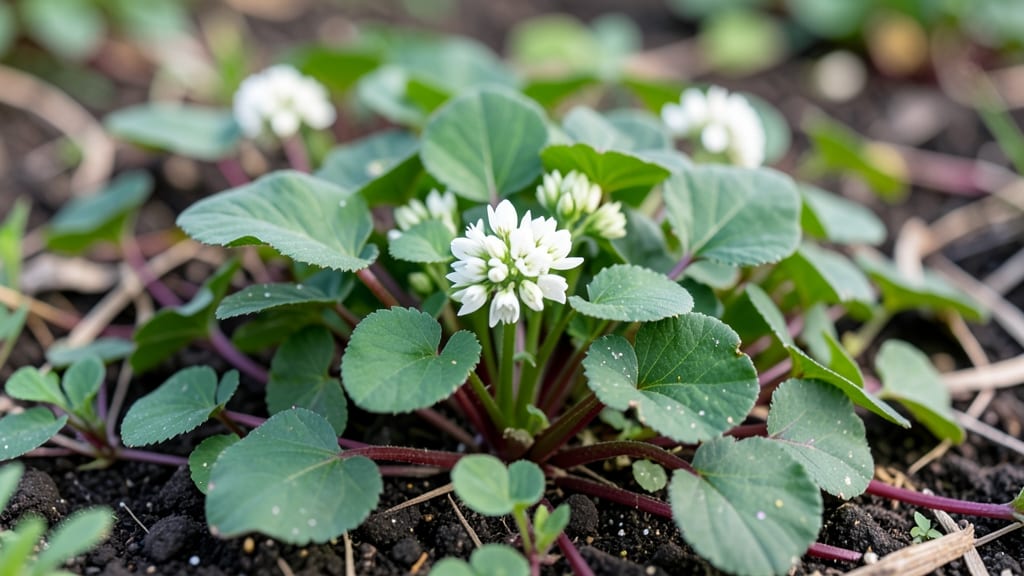
When to plant deer food plots in Kentucky isn't just about picking a month—it's about reading the soil, dodging frost, and aligning with deer behavior. One wrong move, and you're staring at brown patches instead of a lush buffet that keeps bucks coming back. We've seen firsthand how late summer to early fall planting can mean the difference between a thriving plot and wasted seed.
Kentucky's 6a-7a climate zones add another layer—soil temps matter more than calendar dates. Plant too early, and frost will nip your seedlings before they take hold. Too late, and your plots won't establish strong roots before winter sets in.
The key? Waiting until soil hits 55°F for clovers or 60°F for brassicas, then locking in your planting window before the first frost.
Here's the game-changer: spring planting works, but fall is where most Kentucky hunters get it right. We'll break down exactly when to plant for each season, how to test soil without fancy tools, and which crops thrive in your region's microclimates.
Let's make sure your next food plot doesn't become a deer-free desert.
Ready to turn your property into a deer magnet? I'll walk you through the exact timing, soil prep secrets, and crop choices that actually work in Kentucky. No guesswork—just proven results from plots that keep coming back year after year.
Optimal Kentucky planting windows by soil temperature (not calendar dates)
Most Kentucky hunters pick planting dates based on the calendar, but soil temperature determines success. Cool-season crops like clover and brassicas need 55°F+ soil to germinate, while warm-season mixes like sorghum-sudangrass wait for 65°F+. Planting too early risks frost damage, while waiting too long stunts growth.
Soil warms slower in northern Kentucky (USDA Zone 6a) than in western regions (Zone 7a). For example, Lexington typically hits 55°F in mid-March, while Paducah reaches it by late February.
Always check soil temps with a soil thermometer or the "squish test"—press soil with your thumb; if it feels like butter, it's ready.
Here’s the critical rule: Cool-season plots (clover, chicory, turnips) should go in when soil is 55-65°F and air temps stay above 40°F at night. Warm-season mixes (sorghum, millet) need 65-75°F soil and consistent 70°F+ air temps. Planting at the wrong time means slower establishment and weaker stands.
For spring planting, aim for March 15–April 15 in most of Kentucky. Fall planting (August–October) is ideal for cool-season crops to establish before winter. Never plant after September 15 in northern Kentucky—frost can kill seedlings before they root.
| Crop Type | Ideal Soil Temp | Kentucky Planting Window | Key Risk |
|---|---|---|---|
| Clover (White/Red) | 55–65°F | March 15–April 15 (Spring) or Sept 1–15 (Fall) | Frost damage if planted too early |
| Brassicas (Turnips, Radishes) | 60–68°F | April 1–May 15 (Spring) or Aug 15–Sept 30 (Fall) | Overheating if planted in July |
| Warm-Season Mixes (Sorghum, Millet) | 65–75°F | May 15–June 30 | Slow growth if soil <65°F |
| Chicory | 50–60°F | March 1–April 10 (Spring) or Sept 1–15 (Fall) | Weed competition if delayed |
Pro tip: Use a soil thermometer for accuracy, or bury a thermometer in a Styrofoam cup at 2-inch depth for 24 hours to get a reading. Morning temps are most reliable—soil cools overnight, so check before 10 AM. If temps fluctuate, wait 3–5 days for consistency.
For northern Kentucky (e.g., Berea, Corbin), delay planting until April 1 to avoid late frosts. In southern Kentucky (e.g., Bowling Green, Hopkinsville), you can plant clover as early as February 28. Always monitor the National Weather Service’s frost predictions for your area.
One common mistake is planting warm-season crops in May when soil is still cool. Test first! If your soil is below 65°F, wait. Patience now prevents failure later. For example, sorghum-sudangrass planted in late May in Louisville will grow 3x faster than if planted in early May.
Finally, adjust for microclimates. South-facing slopes warm 2–3°F faster than north-facing areas. Use this to your advantage—plant early on warm slopes and delay on cool, shaded spots. A 5°F difference can mean the difference between a thriving plot and a failed one.
Remember: Kentucky’s soil temps vary by 2–3 weeks across regions. Don’t guess—test and adjust. Your deer (and wallet) will thank you. 🌱
Kentucky’s frost-free zones & critical planting deadlines by region
Kentucky’s diverse geography—from the Bluegrass Region to the Cumberland Plateau—means frost-free windows vary dramatically. Understanding these zones helps you avoid planting too early (risking frost damage) or too late (missing peak growth).
Most of Kentucky falls in USDA Zones 6a-7a, but microclimates near rivers or hills can shift deadlines by 1-2 weeks.
Use the last frost date (typically April 15) and first frost date (November 1) as your anchors. For spring planting, aim to seed 2-3 weeks before last frost—so mid-March for most areas.
Fall plantings should occur 6-8 weeks before first frost, meaning late August to early October.
Here’s how Kentucky’s regions break down for your deer food plot deadlines:
For elevation adjustments, subtract 1 day per 100 feet above 1,000 feet. For example, if you’re planting in the Daniel Boone National Forest (elevation 1,500+ ft), shift your spring window 5-7 days later than the regional average.
Always monitor local weather forecasts—unpredictable late frosts can still occur in May.
Pro tip: Plant warm-season mixes (like sorghum-sudangrass) after May 15 to avoid frost damage, even if soil temps are ideal. These mixes thrive in 70°F+ soil and provide late-season forage when cooler crops slow down.
Don’t let Kentucky’s variable microclimates catch you off guard. Use these deadlines as your baseline, but stay flexible—your deer (and your wallet) will thank you! 🌱