
Plants
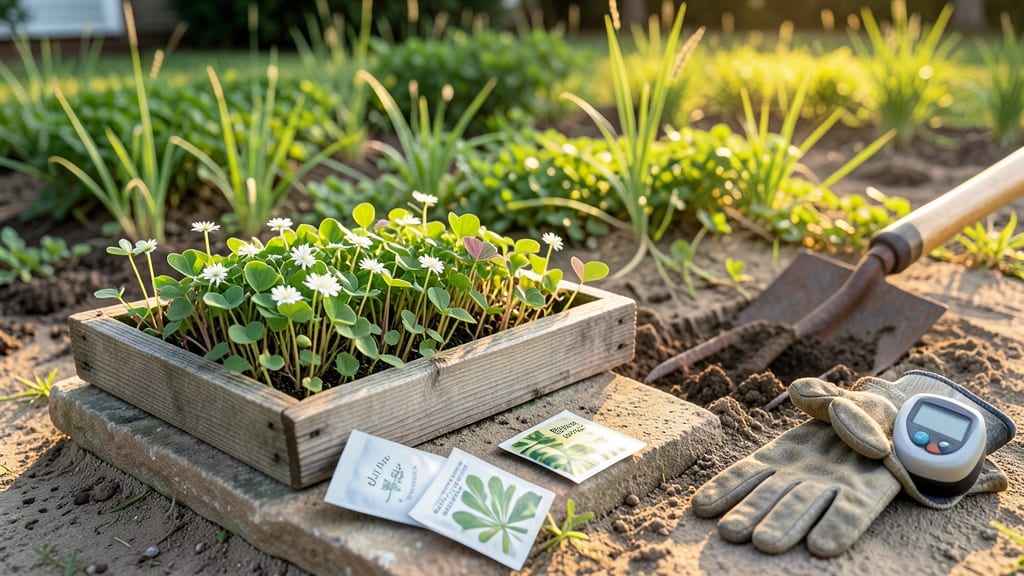
Florida food plot planting calendar: best months by season for fast growth
Florida’s unique climate—with its humid subtropical zones and frost-free winters—creates ideal conditions for food plots, but timing is critical. Unlike northern states, you can plant year-round with the right crops, but spring and fall remain the gold standards for maximum growth and deer appeal.
North Florida’s cooler microclimates (like Gainesville) allow earlier spring plantings, while South Florida’s warmer year-round temps (Miami area) lean toward fall and winter crops. Always check your local frost dates—though Florida rarely sees frost, sudden cold snaps can still occur in Panhandle regions.
Soil temperature is your best guide: aim for 60°F+ for cool-season crops and 70°F+ for warm-season varieties. Use a soil thermometer to avoid guessing—this small tool saves hours of frustration later.
Here’s your month-by-month breakdown for planting food plots in Florida, tailored to both fast growth and deer attraction, with regional adjustments:
| Month | Best Crops | Soil Temp | Regional Notes | Deer Appeal | |||||||||||||||||
|---|---|---|---|---|---|---|---|---|---|---|---|---|---|---|---|---|---|---|---|---|---|
| January | Winter peas, rye, clover | 55-65°F | South FL: Plant now; North FL: Wait for warmth | Moderate (early browse) | |||||||||||||||||
| February | Clover mixes, brassicas | 60-70°F | Panhandle: Frost risk in early mornings | High (leafy greens) | |||||||||||||||||
| March | Sorghum, millet, turnips | 65-75°F | Best month for North FL; South FL: Transition to summer crops | Very High (fast-growing) | |||||||||||||||||
| April | Soybeans, cowpeas, sunflowers | 70-80°F | South FL: Watch for heat stress; irrigate if dry | High (protein-rich) | |||||||||||||||||
| May | Sorghum-sudangrass mixes | 75-85°F | Peak heat; mulch to retain moisture | Moderate (summer slump) | |||||||||||||||||
| June | Avoid planting; maintain existing plots | 80-90°F | Focus on irrigation and weed control | Low (heat stress) | |||||||||||||||||
| July | Prep soil for August plantings | 80-88°F | Test soil pH; amend if needed | N/A | |||||||||||||||||
| August | Late summer brassicas, turnips | 78-85°F | South FL: Hurricane prep; elevate seed | High (fall transition) | |||||||||||||||||
| September | Winter peas, r
Florida food plot planting calendar: best months by season for fast growthFlorida’s humid subtropical climate means food plots thrive year-round, but timing still matters. The best planting windows are spring (March-May) and fall (August-October), when soil temps hover between 65°F-85°F—ideal for seed germination and rapid growth. North Florida’s cooler microclimates favor early spring plantings, while South Florida’s warmer zones extend fall planting into November. Skip winter plantings unless you’re using cool-season crops like ryegrass, which handle Florida’s mild winters. Summer plantings? Only heat-tolerant varieties like sorghum survive without wilting. My #1 rule: Always check soil moisture before planting—Florida’s summer rains can drown seeds if soil isn’t prepped. 🌱 Florida Food Plot Planting Timeline
⚠️ Pro Tip: North Florida’s Panhandle can handle earlier spring plantings (February), while South Florida extends fall until November 15. For fastest deer attraction, aim for peak growth during hunting season (September–January). A spring-planted clover plot will flower by late summer, while a fall-planted brassica mix reaches maturity just in time for winter hunts. My go-to strategy: Plant half in spring and half in fall to ensure year-round forage. Don’t overlook soil prep—Florida’s sandy soils drain too quickly, so incorporate 2–3 inches of compost before planting. Test pH levels (aim for 6.0–6.5), and consider cover crops like crimson clover to improve soil structure between plantings. A well-prepped plot grows 30% faster than neglected soil. Hurricane season (June–November) demands extra caution. If a storm hits within 48 hours of planting, delay until conditions stabilize. For post-storm recovery, focus on weed control and replenishing mulch—deer will still graze, even if your plot looks rough. Remember: Florida’s no-frost zone means you can plant almost anytime, but timing aligns with deer behavior. Plant when bucks are most active (dawn/dusk)—typically late summer to early fall—to maximize their visits. With the right schedule, your food plot becomes a deer magnet within 6–8 weeks. |