
Plants
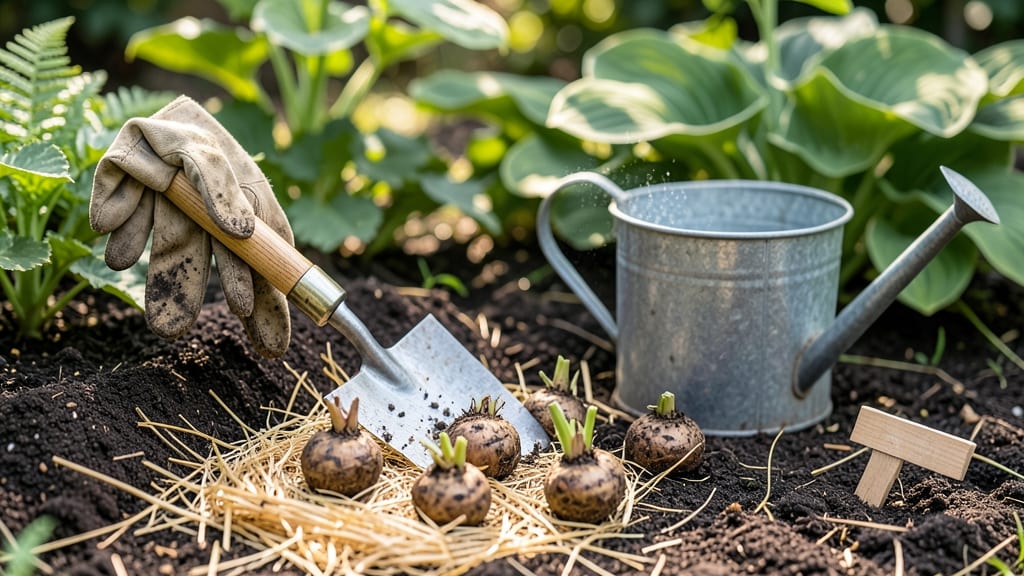
Knowing when to plant dahlias in Zone 7b isn’t just about checking a calendar—it’s about catching that sweet spot between frost risk and soil warmth. Miss it, and your 🌼 may struggle to bloom, or worse, get zapped by a late freeze.
The good news? With a few simple checks, you can time it perfectly for stronger plants and more vibrant flowers.
Most gardeners in Zone 7b aim for late April to mid-May, but the real secret lies in soil temperature. Tubers need the ground to be at least 55–60°F to sprout reliably—cold soil can stall growth for weeks.
I’ll show you how to test your soil’s readiness and adjust your planting timeline based on local microclimates.
Whether you’re starting tubers indoors or planting bare-root directly, timing matters. Plant too early, and frost damage sets you back; too late, and your dahlias may not reach their full height before summer fades.
We’ll break down the exact steps to prep tubers and the best methods for Zone 7b’s climate.
Ready to avoid the common mistakes that even experienced gardeners make? Let’s dive into the soil temperature rules, frost-free deadlines, and post-planting care that’ll keep your dahlias thriving all season long.
Zone 7b dahlias planting timeline: soil temperature rules over calendar dates
In Zone 7b, the last frost typically occurs around April 15, but don’t let that date alone dictate when you plant your dahlias. Cold soil can stunt growth or even kill tender tubers, so soil temperature is your real deadline.
Aim for 55-60°F soil—this ensures roots establish quickly and plants bolt upward instead of sitting in the cold ground.
Most gardeners in Zone 7b plant dahlias between late April and mid-May, but this window shifts yearly based on weather patterns. For example, a late frost in 2023 pushed ideal planting dates back to early May, while an early warm spell in 2022 allowed planting by late April.
Always check your local Almanac frost predictions and monitor soil temps with a probe.
Here’s the golden rule: Never plant dahlias when nighttime temps dip below 40°F. Even hardy varieties like 'Café au Lait' or 'Bishop' will struggle to thrive if exposed to frost after planting.
Use a frost watch app or sign up for alerts from your local Cooperative Extension Service to stay ahead of surprises.
If you’re eager to start early, consider pre-sprouting tubers indoors under grow lights. This gives you a 2–4 week head start, but you’ll still need to wait for soil warmth before transplanting. Without pre-sprouting, direct planting in Zone 7b works best once daytime highs consistently reach 65°F—usually by mid-May.
Soil temperature matters more than calendar dates because dahlias are tender perennials. Their tubers rot in cold, wet soil, while warm soil (above 60°F) signals roots to grow aggressively. Test your soil with a thermometer at a depth of 4–6 inches—the ideal depth for planting. If it’s below 55°F, wait another week.
Another pro tip: Mulch heavily after planting to lock in heat. Use black plastic mulch or a thick layer of straw to raise soil temps by 5-10°F. This trick is especially useful in Zone 7b’s unpredictable springs, where frost can linger into May.
Mulch also suppresses weeds and retains moisture—critical for dahlias’ deep root systems.
For container-grown dahlias, the rules are slightly different. Potted soil warms faster than in-ground soil, so you can plant 1-2 weeks earlier than your ground-based counterparts. However, containers also dry out quicker, so ensure your pots have drainage holes and use a well-draining potting mix with added perlite.
If you’re still unsure about your soil’s readiness, use the "finger test". Stick your finger 4–6 inches into the soil. If it feels cool to the touch (like a chilled soda can), wait a few more days.
If it’s warm (like a freshly baked cookie), your dahlias are ready. This method works best in the morning, when soil temps are at their lowest.
One final tip: Zone 7b gardeners with short seasons should prioritize late-season varieties like 'Thomas Edison' or 'Karma Choc'. These dahlias bloom later and often continue producing flowers into early October, extending your display well past the first frost.
Pair them with early bloomers like 'Gallery Pink' for a continuous color show.
Remember, dahlias in Zone 7b reward patience. Rushing the process risks weak stems, fewer blooms, and even tuber rot. By following soil temperature guidelines and
How to prepare dahlias tubers for Zone 7b planting: pre-sprouting vs. direct planting
Preparing dahlia tubers before planting in Zone 7b can mean the difference between a lush, blooming garden and a disappointing season. Tubers need time to develop strong roots and shoots before facing Zone 7b’s spring temperature swings.
Whether you choose to pre-sprout indoors or plant bare-root tubers directly, timing and technique matter most.
In Zone 7b, where last frost typically arrives around April 15, tubers should be ready to plant 2–4 weeks before that date. This window allows roots to establish before summer heat arrives.
Pre-sprouting tubers indoors gives you a head start, while direct planting works if your soil warms quickly.
Use this pros-cons comparison to decide which method fits your Zone 7b growing season and schedule. Both approaches have advantages, but pre-sprouting often yields faster, stronger plants.
- Faster growth after transplanting
- Stronger stems by planting time
- Better control over sprouting conditions
- Requires indoor space and time
- Risk of transplant shock if not hardened off
- Extra step in the process
- Simpler, fewer steps
- Less risk of transplant shock
- Good for gardeners with limited time
- Slower initial growth
- Dependent on soil warming quickly
- Higher risk of frost damage if planted too early
If you choose to pre-sprout, start tubers indoors 6–8 weeks before your Zone 7b last frost date (around March 1). Place tubers in a tray with slightly moist perlite or vermiculite, keeping them in a warm, bright location (60–70°F).
Once sprouts reach 3–4 inches, harden them off by moving them outdoors during the day for 1–2 weeks before transplanting.
For direct planting, wait until soil temperatures consistently reach 55–60°F (usually mid-April in Zone 7b). Plant tubers 4–6 inches deep, spacing them 12–18 inches apart to allow room for growth. Mulch heavily to retain soil warmth and prevent temperature fluctuations that can stress young plants.
Regardless of method, avoid planting too early—even in Zone 7b, a late frost can kill tender shoots. Monitor your local frost forecast and adjust planting dates accordingly. With the right prep, your dahlias will reward you with bold blooms all summer.