
Plants
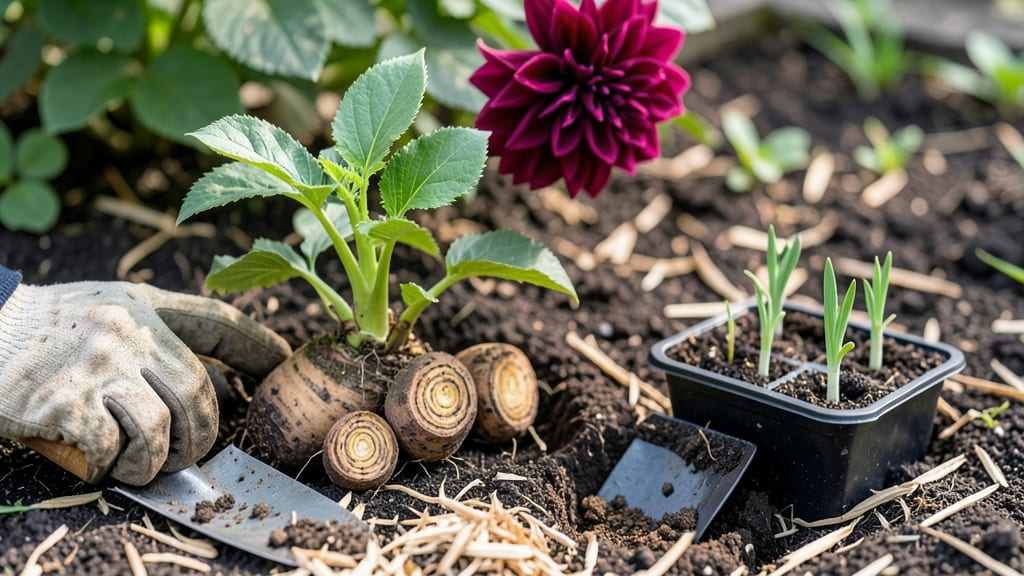
Timing your dahlias wrong in the UK could mean lost blooms or frost damage—so knowing when to plant is the difference between a stunning summer display and a sad, wilted disappointment. Whether you're a first-time gardener or a seasoned grower, getting the mid-April to mid-May window right ensures your tubers thrive after the last frost.
Regional differences matter too. Southern England’s milder climate lets you plant earlier, while Scotland’s cooler zones may need to wait until late April. The key is watching for consistent frost-free nights—your dahlias’ 🌸 roots need warmth to establish before they burst into color.
But timing isn’t just about dates. Chitting tubers indoors or preparing well-drained soil makes all the difference. I’ll walk you through the exact steps to avoid common mistakes and set your dahlias up for a bold, long-lasting bloom season.
Ready to transform your garden? Let’s dive into the perfect planting strategy for your UK zone—because every dahlia starts with the right timing.
UK dahlia planting dates by region: frost-free timeline for success
Timing your dahlia planting in the UK depends on your region's last frost dates and soil temperatures. Planting too early risks frost damage, while waiting too long can delay blooms. The key is to aim for mid-April to mid-May in most areas, but regional variations matter.
Southern England generally enjoys earlier frost-free dates, often by early April, while Scotland and Northern Ireland may need to wait until late April or early May. Wales falls somewhere in between. Always check your local Met Office frost forecasts for precise timing.
Dahlias thrive when soil temperatures reach 10°C (50°F). In cooler regions, consider chitting tubers indoors from early March to give your plants a head start. This simple process can add 2-3 weeks of growth before outdoor planting.
For gardeners in USDA Zone 8a (most of the UK), the ideal window is after May Day (May 1st). However, microclimates—like sheltered spots or urban heat islands—can shift this by 1-2 weeks. Always observe your garden's unique conditions.
Northern Ireland and Scotland's cooler climates may require waiting until mid-May to avoid late frosts. In contrast, southern England can safely plant by early April in sheltered areas, but monitor nighttime temperatures closely.
Visual Guide: UK Dahlia Planting Windows by Region
| Region | Last Frost Date | Ideal Planting Window | Soil Temp Requirement | Notes |
|---|---|---|---|---|
| Southern England | Early April | Mid-April to early May | 10°C (50°F) | Sheltered spots may plant earlier |
| Wales | Late April | Late April to mid-May | 10°C (50°F) | Coastal areas warmer |
| Scotland | Late April | Mid-May | 10°C (50°F) | Chitting recommended |
| Northern Ireland | Early May | Late May | 10°C (50°F) | Microclimates vary significantly |
If you're unsure about your local frost dates, use the Met Office's frost risk maps or ask fellow gardeners in your area. Late frosts in May can still occur, so have frost cloths ready for young plants until they're established.
For late plantings, you can still try June plantings in warmer microclimates, though blooms may arrive 4-6 weeks later. Choose dwarf varieties like 'Café au Lait' for smaller gardens or containers, as they tolerate cooler soils better.
Always plant dahlia tubers 4-6 inches deep in well-draining soil mixed with compost. This depth protects tubers from temperature swings while allowing shoots to emerge easily. Mark planting spots to avoid disturbing roots later.
After planting, water deeply once a week to encourage root growth. Mulch with organic matter to retain moisture and regulate soil temperature. This is especially critical in drier regions like East Anglia or the Southeast.
Remember, dahlias are tender perennials—they won't survive UK winters outdoors. In autumn, lift and store tubers before the first frost hits. This annual cycle means timing matters every year for a fresh start.
How to prepare dahlias for UK planting: tubers, soil, and early care
Preparing dahlias for UK planting starts months before you even think about sticking tubers in the ground. Chitting your tubers indoors is a game-changer—it gives you a head start on growth and ensures your plants are stronger when frost risks fade.
I always begin chitting in late February or early March, placing tubers in a light, frost-free spot with the "eyes" (buds) facing upward. This process takes 4-6 weeks and signals your dahlias to wake up from dormancy.
While chitting, keep soil temperatures in mind—ideal soil temps for planting are between 10-15°C (50-59°F). In cooler UK regions like Scotland, this might mean delaying outdoor planting until mid-May, while southern England gardeners can start as early as early April.
Test your soil’s readiness by pressing your finger into it; if it feels cool but not icy, it’s time to plant.
Choose a well-drained, fertile location with full sun exposure (6+ hours daily). Dahlias hate soggy roots, so amend heavy clay soil with compost or grit to improve drainage. I always dig in a bucket of compost and a handful of slow-release fertilizer (like 10-10-10) into the planting hole.
This gives your tubers the nutrients they need to establish roots quickly.
Step-by-Step Dahlia Planting Prep
- Chit tubers: Place in egg cartons or trays with "eyes" upward, in a bright, cool room (10-15°C).
- Hardening off: Move chitted tubers outdoors during the day for 1-2 weeks before final planting.
- Soil prep: Dig holes 4-6 inches deep, spacing tubers 12-18 inches apart (larger varieties need more space).
- Planting depth: Bury tubers so the "eyes" sit 2 inches below soil—deeper planting risks rot.
- Watering: Give a deep watering after planting, then keep soil consistently moist (not waterlogged).
- Protect from frost: Use fleece or cloches in late spring if nights are still chilly.
After planting, mulch around the base with organic matter to retain moisture and suppress weeds. I use straw or shredded bark, which also insulates roots during late frosts.
In cooler UK regions, consider using black polythene mulch to warm the soil faster—this is a lifesaver for Scottish gardeners with shorter growing seasons.
Watch for new shoots emerging in 4-6 weeks. Once they’re 5-7 inches tall, pinch out the top growth to encourage bushier, stronger plants. This is especially important for taller varieties, which can flop in windy UK gardens. Regular pinching also boosts flower production later in the season.
Remember, dahlias are tender perennials—they’ll die back with the first frost. In the UK, this usually happens by mid-October, so start preparing for lifting and storing tubers in late September. But for now, focus on giving them the best possible start with proper prep and care.