
Plants
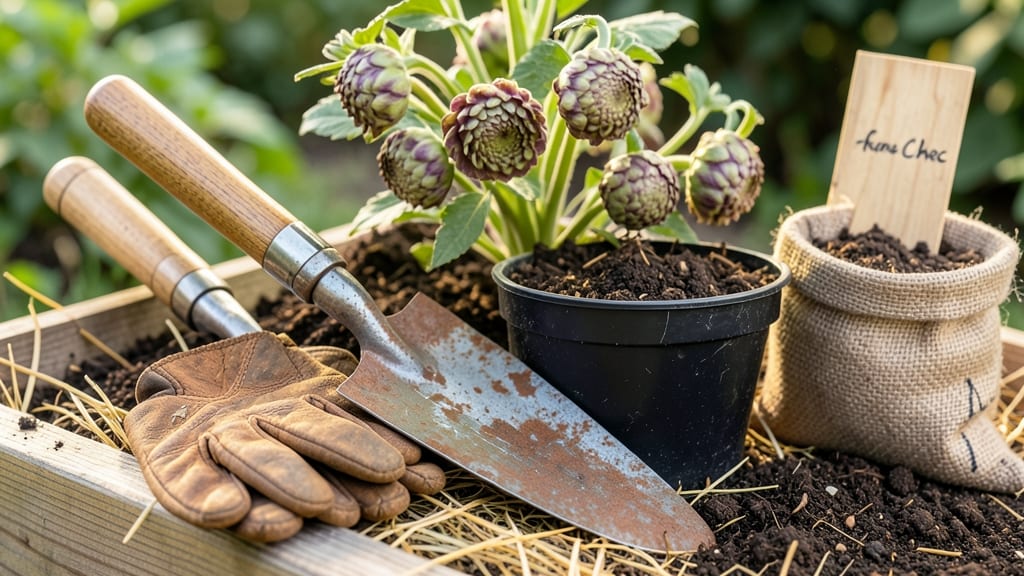
Planting dahlia bulbs in Georgia at the wrong time could mean missing out on those showstopping 🌼 blooms that make summer gardens unforgettable. The difference between a thriving display and a sad, wilted disappointment often comes down to one key factor: timing.
If you’ve ever wondered why some gardeners in 7b-8b zones get lush dahlias while others struggle, it’s likely because they’re planting too early or too late. Georgia’s humid summers and mild winters create a unique growing window—one that demands precision.
Let’s cut through the guesswork and pinpoint the exact moment your tubers should hit the soil for maximum impact.
You’ll learn how to read Georgia’s frost-free timeline, why soil temperature matters more than calendar dates, and how to prepare your garden bed for bold, long-lasting blooms. No more waiting until it’s too late or risking frost damage—just a foolproof plan tailored to your region.
From chitting tubers indoors to mulching for extra warmth, I’ll share the game-changer techniques that extend your dahlias’ season well into fall. Ready to transform your garden into a pollinator paradise? Let’s get started.
Georgia’s ideal dahlia planting timeline: frost dates & soil temperature guide
Georgia’s mild winters and humid summers create perfect conditions for dahlias—but only if you plant at the right time. The key is waiting until after the last frost (typically mid-March in most regions) and when soil temps hit 60°F+.
In USDA zones 7b-8b, this usually means late March to early April, but timing varies by region.
For Atlanta (Zone 7b), aim for April 1-15 when nighttime temps stay above 50°F. In Savannah (Zone 8a), you can plant as early as March 15, while mountain regions (Zone 6b) should wait until mid-April to avoid frost damage.
Using a soil thermometer is your best friend—dahlias won’t thrive in cold soil.
Here’s your Georgia-specific planting timeline broken down by region, frost dates, and soil conditions:
Planting too early? Your dahlia tubers will rot in cold, wet soil—a common mistake in Georgia’s unpredictable spring. Too late? You’ll miss the 90-day bloom window and end up with sad, stunted plants. The 30-day window between last frost and soil warming is your sweet spot.
Pro tip: If you’re chitting tubers indoors (placing them in bright light to sprout), start 6-8 weeks before your target planting date. This gives you a 2-week head start on the season, especially helpful in cooler mountain areas. Just be ready to harden off seedlings before transplanting!
For container gardening in Georgia, plant tubers in late April when daytime temps consistently stay above 70°F. Containers warm up faster but also dry out quicker—so monitor soil moisture closely during our hot summers. A self-watering pot can be a lifesaver during dry spells.
Remember: Dahlias are not frost-tolerant, but they love Georgia’s heat once established. The earlier you plant in the ideal window, the more time your dahlias have to establish roots before our humid summer sets in. Think of it as giving your plants a running start to beat the heat!
Next up: Learn the 5 critical signs your Georgia soil is truly ready for dahlias—and the 3 mistakes that’ll sabotage your blooms before they even begin. 🌼
Georgia’s ideal dahlia planting timeline: frost dates & soil temperature guide
Georgia’s humid subtropical climate and USDA zones 7b-8b create perfect conditions for dahlias—but only if you plant at the right time. The last frost date in most of Georgia falls between late February and early April, but soil temperature is the true deciding factor.
Dahlias need soil that’s warmed to at least 60°F to thrive, which typically aligns with mid-March to early April in most regions. Planting too early risks frost damage to tender tubers, while waiting too long can shorten your blooming season.
Your exact planting window depends on where you live in Georgia. Atlanta (Zone 7b-8a) usually has its last frost around March 15th, while Savannah (Zone 8a-8b) sees frost-free conditions by mid-February. Mountain regions like Blue Ridge (Zone 7a) may need to wait until late April.
Always check your local frost-free date and aim to plant 2-4 weeks after that date to give the soil time to warm.
| Region | Last Frost Date | Ideal Planting Window | Soil Temp Goal |
|---|---|---|---|
| Atlanta (Zone 7b-8a) | Late Feb - Early March | Mid-March to Early April | 60°F+ |
| Savannah (Zone 8a-8b) | Mid-February | Late February to Early March | 60°F+ |
| Blue Ridge Mountains (Zone 7a) | Late April | Late April to Early May | 60°F+ |
For container gardening, you can plant dahlias slightly earlier—around mid-February—since pots warm up faster. However, keep containers in a protected location (like a greenhouse or under a cloche) until nighttime temperatures stay above 50°F. If you’re unsure about your soil temperature, use a soil thermometer to check.
Dahlias won’t germinate well in cold soil, so patience is key. If you plant too early and a late frost hits, cover your tubers with mulch or row fabric to protect them.
Once your dahlias are in the ground, consistent moisture is critical. Water deeply once a week (or more during dry spells) to encourage strong root growth. Avoid overhead watering, which can spread fungal diseases like powdery mildew—a common issue in Georgia’s humid summers.
Instead, water at the base of the plant in the morning to give foliage time to dry. Mulching with straw or shredded leaves will help retain moisture and keep roots cool during Georgia’s hot afternoons.
If you miss the ideal planting window, don’t panic! You can still plant dahlias in early May, though you’ll sacrifice some early blooms. For a head start, try chitting tubers indoors 4-6 weeks before your last frost date.
Place them in a bright, warm spot (around 70°F) with the eyes facing up. Once sprouts are 2-3 inches tall, they’ll be ready to transplant outdoors, giving you a jump on the season.
Remember, dahlias are perennial in Georgia—if you take care of them, they’ll come back bigger and better each year. The key is timing: plant when the soil is warm, protect from late frosts, and give them plenty of sun.
With these steps, you’ll be rewarded with stunning blooms from summer through fall—just in time for Georgia’s beautiful autumns. 🌼