
Plants
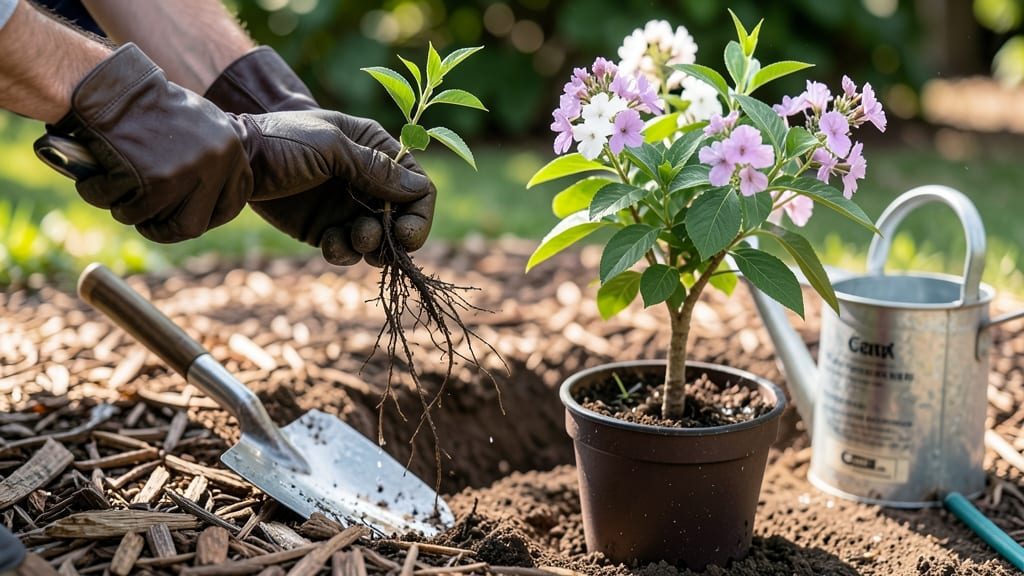
Timing your crape myrtle 🌸 planting in Virginia could mean the difference between a thriving tree and one that struggles to survive. The wrong window exposes young roots to late frosts or stifling summer heat, while perfect timing lets them establish strong before extreme weather hits.
Virginia’s USDA zones 6a-8a give you two ideal planting windows: spring (late March to early May) and fall (September to early October). But not all zones play by the same rules—Northern Virginia’s chillier climate demands extra caution, while Southern Virginia’s milder winters offer more flexibility.
Whether you’re planting bare-root saplings or container-grown specimens, soil temperature is the key factor. Aim for 60°F+ soil to avoid shock, and watch for those last frost dates (March 15 on average, but earlier in the mountains).
I’ll walk you through exactly how to time it right for your specific zone.
Ready to learn how to plant your crape myrtle for maximum blooms and minimal stress? Let’s dive into the frost-free window that works best for your Virginia yard.
Virginia’s frost-free planting window for crape myrtles by USDA Zone
Virginia’s USDA zones 6b-8a create a 120-day frost-free window for crape myrtles, but your exact planting dates depend on where you live. In Northern Virginia (Zone 6b-7a), aim for late April to early May or September 15 to October 1—after soil warms to 60°F.
Southern Virginia (Zones 7b-8a) can plant 2-3 weeks earlier, from mid-March to early April or late August to mid-September. Urban areas may need adjustments due to heat islands that delay frost.
Soil temperature is critical—crape myrtles won’t thrive if planted in cold, wet soil. Use a soil thermometer to confirm 60°F+ at 4 inches deep. In Zone 6b, wait until May 15 to avoid late spring frosts, which can kill young roots.
For Zone 8a, early March plantings work if you mulch heavily to protect roots.
Microclimates matter: Rural areas with cooler nights may need to delay planting by 1-2 weeks, while urban heat sinks (like Richmond) can support earlier spring plantings.
Always check your local frost date averages—Virginia’s last frost ranges from March 1 (north) to April 1 (south), with first frosts from October 15 (north) to November 30 (south).
| USDA Zone | Last Frost Date | First Frost Date | Spring Planting Window | Fall Planting Window | Soil Temp Requirement |
|---|---|---|---|---|---|
| 6b (Northern VA) | March 1 | October 15 | Late April–Early May | September 15–October 1 | 60°F+ |
| 7a (Central VA) | March 15 | November 1 | Mid-April–Early May | September 1–October 15 | 60°F+ |
| 7b (South-Central VA) | March 22 | November 15 | Late March–Early April | Late August–Mid-September | 55°F+ |
| 8a (Southeastern VA) | April 1 | November 30 | Mid-March–Early April | Late August–Early October | 50°F+ |
Fall planting offers cooler soil and less competition from weeds, but avoid planting after October 15 in Zones 6b-7a—roots need 6-8 weeks to establish before winter. In Zone 8a, you can push fall planting to November 1 if soil stays above 50°F.
Always water deeply after planting to encourage root growth before dormancy.
For container-grown crape myrtles, adjust timing by 2-3 weeks earlier in spring or 2 weeks later in fall—container roots dry out faster. Bury the root ball 1-2 inches deeper than in the container to stabilize the tree.
In urban heat zones, like Norfolk or Virginia Beach, you can plant 1-2 weeks earlier than rural areas due to warmer microclimates.
Use mulch (3-4 inches) to regulate soil temperature—it keeps roots 5-10°F warmer in spring and 5-10°F cooler in summer. For Zone 6b gardeners, a black plastic mulch can extend the spring window by 10-14 days by absorbing sunlight.
In Zone 8a, straw mulch helps retain moisture during dry fall plantings.
Pro tip: Test your soil’s pH (ideal 6.0-7.0) before planting—crape myrtles hate
How to choose the best planting time for your Virginia location
Virginia’s climate varies dramatically from the mountains of Zone 6b to the coastal plains of Zone 8a, so your local microclimate is the real deciding factor. Urban areas with heat islands may stay frost-free longer than rural spots, while valleys can trap cold air.
Check your last frost date—Northern Virginia averages March 15, while Southern Virginia pushes to April 1.
For Zone 6b gardeners, aim for late April to early May when soil temps hit 60°F.
In Zone 7a, you can start as early as mid-April, but wait until May 1 if spring was unusually cold. Zone 8a gardeners have the longest window—plant March 15 to May 15 or even extend into fall until October 15.
Soil temperature matters more than air temp—use a soil thermometer to confirm 60°F+ before planting. Cold soil slows root growth, leaving young trees vulnerable to heat stress later.
Fall planting is ideal for Zone 7a-8a—aim for September to early October. Trees planted in fall establish roots before winter dormancy, giving them a head start in spring. Just avoid planting after October 15 in Northern Virginia, as roots won’t harden before frost.
Humidity plays a role too: Southern Virginia’s higher humidity can make spring soil soggy, delaying planting. Amend heavy clay soil with compost or sand to improve drainage. In drier western Virginia, water deeply 2-3 days before planting to reduce transplant shock.
Pro tip: Container-grown crape myrtles can handle slightly earlier planting than bare-root trees. Check the root ball—if roots are circled or dry, wait a week or add moisture-retentive mulch to protect them.
For urban gardeners, watch for heat reflections from buildings or pavement, which can bake soil. Plant in late afternoon to reduce stress, and use shade cloth for the first 2 weeks if temps exceed 90°F.