
Plants
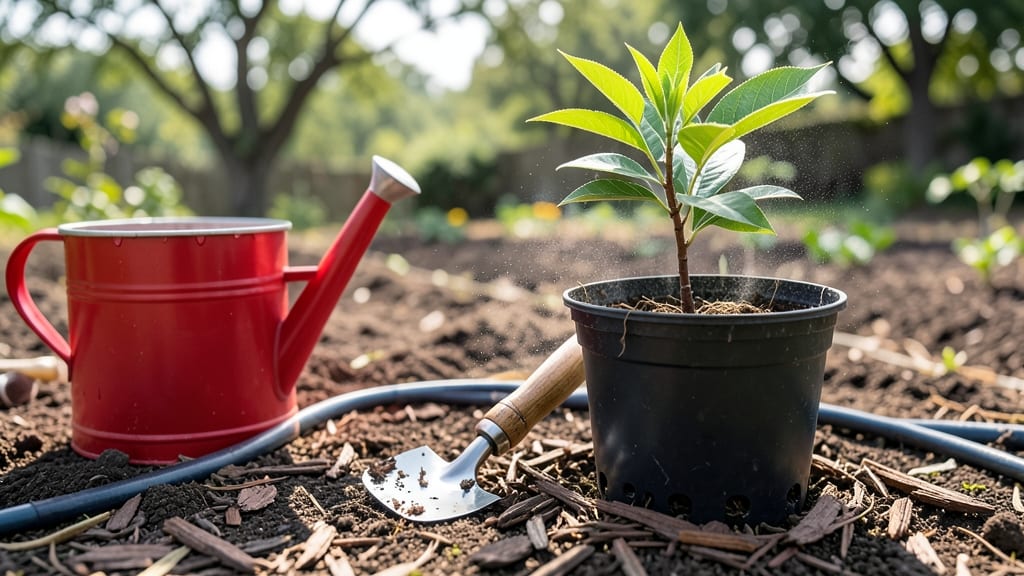
If you're wondering when to plant crape myrtle in Zone 9, timing is everything—get it right, and you'll set up your 🌸 for a showstopping summer display.
Zone 9's mild winters and long growing season mean you've got a narrow window to plant before the heat kicks in, but don't worry, I've got the exact months that work best for strong root growth.
Most gardeners in Zone 9 swear by planting their crape myrtles in March or early April, when soil temperatures are just right and the threat of frost has passed completely.
This gives your new plant the perfect head start before the summer heat arrives, ensuring it establishes roots before the real work begins.
But here's the thing: planting too early can expose your crape myrtle to unexpected cold snaps, while planting too late might leave it struggling in the summer heat.
I'll walk you through the ideal planting window, plus how to tell when your soil and plant are truly ready for their new home.
Whether you're planting bare-root, container-grown, or even from seed, these insights will help you avoid common mistakes and give your crape myrtle the best possible start. Let's dive into the details so you can enjoy that dreamy summer bloom without any guesswork.
Optimal planting months for crape myrtles in Zone 9
In Zone 9, the best time to plant crape myrtles is during the cooler months when soil temperatures are ideal for root growth—typically late winter to early spring (February through March).
This timing ensures your crape myrtle establishes roots before the heat of summer arrives, reducing transplant shock and improving survival rates.
While spring planting (March-April) is the gold standard, late fall (November) can also work if you’re planting bare-root varieties. The key is avoiding summer heat stress, which can overwhelm young plants still adjusting to their new environment. Let’s break down the specifics for Zone 9’s unique climate.
🌱 Summary Table: Best Planting Months for Crape Myrtle in Zone 9
| Month | Ideal Planting Window | Soil Temp (F) | Notes |
|---|---|---|---|
| February | Early February (bare-root) | 55-65°F | Soil is workable; minimal frost risk. |
| March | Best overall month | 60-70°F | Optimal for root establishment. |
| April | Late April (container-grown) | 65-75°F | Higher temps increase drought risk. |
| November | Late November (bare-root only) | 60-65°F | Avoid if frost is forecasted. |
March stands out as the peak planting month because soil temperatures hover around 60-70°F, perfect for root growth.
By this time, the last frost risk in Zone 9 has passed (typically by mid-January), and daytime temperatures are warming up—ideal conditions for your crape myrtle to focus on establishing roots rather than battling stress.
If you’re planting container-grown crape myrtles, you can extend your window slightly into late April, but be cautious. Container plants are more vulnerable to heat stress and transplant shock when temperatures exceed 80°F. Always water deeply before and after planting to help the roots acclimate.
For those in coastal Zone 9 areas, where summers are milder and winters are wetter, you might even consider early fall planting (October). Inland regions, however, should stick to spring planting to avoid the intense summer heat that can dry out young plants quickly.
One common mistake is planting crape myrtles too early in January or too late in May. Early planting risks frost damage to tender new growth, while late planting subjects the plant to summer’s intense heat, which can stunt root development.
Aim for that sweet spot in March for the best results.
Pro tip: If you’re planting multiple crape myrtles, space them 6-10 feet apart depending on the mature size of the variety. Dwarf varieties like ‘Acoma’ can be planted closer (6 feet), while standard varieties like ‘Muskogee’ need more room (10+ feet) to thrive without competing for nutrients.
Remember, crape myrtles are drought-tolerant once established, but young plants need consistent moisture to develop strong roots. Mulch around the base after planting to retain soil moisture and regulate temperature—this simple step can double your success rate in Zone 9’s challenging climate.
Finally, if you’re planting from seed (less common for crape myrtles), start indoors in late winter (February) and transplant outdoors in early spring (March). Seedlings are far more delicate and require even more precise timing to avoid heat or cold stress.
Optimal planting months for crape myrtles in Zone 9
In Zone 9, crape myrtles thrive when planted during late winter to early spring, specifically between February and April. This window ensures soil temperatures are warm enough for root growth but avoids the intense summer heat that can stress young plants.
My top recommendation is planting in March, when daytime temperatures consistently stay above 60°F. This timing allows roots to establish before the peak summer drought hits, giving your crape myrtle a fighting chance to thrive.
If you miss spring, fall planting (September-October) is a second-best option in Zone 9. However, avoid planting in summer—the heat and dry conditions create transplant shock risks for crape myrtles.
| Planting Window | Zone 9 Conditions | Root Establishment |
|---|---|---|
| Late Winter (Feb) | 50-65°F soil temps, minimal frost risk | Slow but steady growth |
| Early Spring (Mar-Apr) | 60-75°F soil temps, increasing daylight | Optimal for rapid root development |
| Fall (Sep-Oct) | 70-80°F soil temps, cooling nights | Good but requires winter protection |
| Summer (May-Aug) | 90°F+ soil temps, drought conditions | High transplant shock risk |
For bare-root crape myrtles, plant as soon as you receive them in Zone 9, typically in February. Container-grown plants can handle March planting better due to their established root systems. If you're starting from seed, sow in late winter under grow lights for transplanting in spring.
Remember that coastal Zone 9 areas (like San Diego) have milder winters, allowing for earlier planting in January-February. Inland areas (like Phoenix) should wait until March to avoid late frosts.
After planting, mulch heavily to retain moisture and protect roots during Zone 9's hot, dry summers. This simple step can double your crape myrtle's survival rate in the first critical year.