
Plants
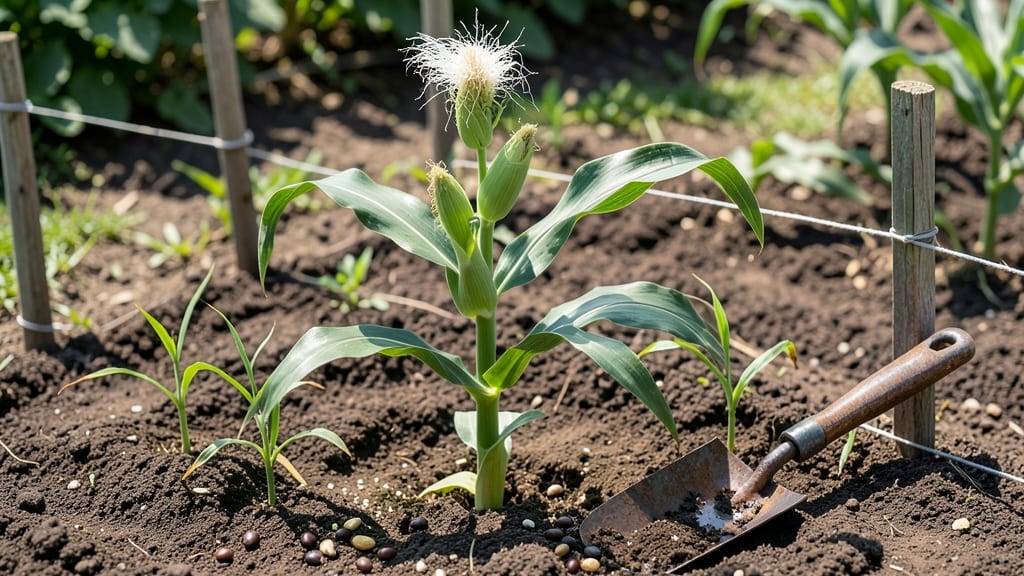
Knowing when to plant corn in Zone 8a can mean the difference between golden, juicy ears and a sad, stunted harvest. With just 245 frost-free days, timing is everything—plant too early and risk frost damage, too late and miss peak sweetness.
The perfect window starts in mid-April when soil warms to 60°F, but local microclimates (like coastal vs. inland) can shift that by weeks.
Why does this matter? Because 🌽 corn thrives in warmth, and Zone 8a’s hot summers demand early starts to ensure full maturity before fall frost hits around November.
I’ll break down the exact dates, soil prep secrets, and how to adjust for your specific corner of 8a—so you can grow corn that’s tall, sweet, and ready for the table.
Most gardeners in 8a plant between April and early June, but fast-maturing varieties (like 80-day corn) give you wiggle room for late starts.
I’ll show you how to pick the right type for your schedule and avoid common mistakes that kill yields—like planting too deep or ignoring soil temperature.
Ready to grow corn that’s the talk of your neighborhood? Let’s dive into the ideal planting calendar, frost-proofing tips, and how to keep your stalks happy from seed to harvest. Your future corn-on-the-cob feast starts here!
Optimal corn planting dates in Zone 8A for maximum yield
In Zone 8A, where winters are mild but summers scorch, timing your corn planting between mid-April and early June ensures sweet, plump ears before fall frost. The key?
Waiting until soil temperatures hit 60°F—corn won’t germinate in cold soil, no matter how eager you are. Use a soil thermometer to avoid this common mistake.
Zone 8A’s last frost date typically lands around March 15, but don’t rush—corn seeds planted too soon risk rotting in damp, cool soil. Instead, aim for 2–4 weeks after your last frost when daytime temps consistently stay above 70°F.
This window balances frost safety with enough growing days to maturity.
For Zone 8A gardeners, the ideal planting window is April 15–May 15, but adjust based on your microclimate. Coastal areas may plant 1–2 weeks earlier due to milder nights, while inland zones should wait until May 1 to avoid unexpected chilly snaps.
Always check your local frost forecast for accuracy.
Zone 8A Corn Planting Timeline
| Stage | Action | Notes |
|---|---|---|
| Soil Prep | Test soil pH (6.0–7.0) | Add compost for fertility |
| Planting Window | April 15–May 15 | Wait for 60°F soil temp |
| Germination | 7–14 days | Keep soil moist |
| Tasseling | 60–70 days after planting | Increase watering |
| Harvest Ready | Late July–October | Check kernel milk stage |
| Fall Frost Risk | November 15 | Choose fast varieties if planting late |
If you miss the primary planting window, don’t panic—Zone 8A’s long growing season allows for a secondary planting in early June. Opt for fast-maturing varieties (60–80 days) like ‘Silver Queen’ or ‘Peaches and Cream’ to harvest before the November 15 average frost.
Just be prepared to provide row covers if temps dip unexpectedly.
For succession planting, stagger seeds every 2 weeks from April to June. This ensures a continuous harvest and reduces the risk of losing your entire crop to pests or weather.
For example, plant half your seeds on April 15, another third on May 1, and the final third on May 15 for a staggered maturity.
Pro tip: Use black plastic mulch to warm soil faster and extend your planting window by 1–2 weeks. This trick is especially helpful in Zone 8A’s cooler inland areas, where soil may linger below 60°F longer. Just remove the mulch once plants emerge to prevent overheating.
Remember, corn thrives on heat, but it also needs consistent moisture during pollination. In Zone 8A’s dry summers, drip irrigation is your best friend—it delivers water directly to roots without wetting the leaves, reducing fungal risks like corn smut or gray leaf spot.
Finally, keep an eye on your local weather patterns. Zone 8A can have unpredictable heatwaves or sudden storms. If a 100°F+ day is forecasted, provide shade cloth to protect young plants from stress.
With the right timing and care, your Zone 8A corn will reward you with ears so sweet, they’ll taste like summer vacation.
How to adjust corn planting dates for early vs late varieties
Choosing the right corn variety for Zone 8A means balancing speed and timing—your 80-day varieties need early starts, while 120-day types demand patience. I’ve planted both and learned that skipping this step means either stunted ears or frost-nipped stalks. Let’s break down the best schedules to avoid these pitfalls.
For fast-maturing corn (60-80 days), like 'Silver Queen' or 'Early Sunglow', aim for mid-April to early May. These varieties race to maturity, so planting too late risks ears that never fully develop.
Meanwhile, medium-maturing (90-110 days) types like 'Golden Bantam' or 'Country Gentleman' can wait until late April to mid-May—giving you flexibility if early starts fail.
Here’s the key: Zone 8A’s frost-free window is only about 245 days, so late varieties (110+ days) like 'Peaches and Cream' need early April starts to avoid fall frost. I once planted a late variety in May and lost everything to an unexpected October chill—don’t make my mistake!
| Variety Type | Days to Maturity | Planting Window | Frost Risk | Succession Tip |
|---|---|---|---|---|
| Early (60-80 days) | 60-80 | Mid-April to early May | Low (if planted early) | Plant every 2 weeks for continuous harvest |
| Medium (90-110 days) | 90-110 | Late April to mid-May | Moderate (avoid late starts) | Stagger 2 plantings for extended harvest |
| Late (110+ days) | 110-120 | Early April only | High (plant early!) | Plant once, prioritize soil warmth |
Pro tip: Use succession planting for early varieties—sow a new batch every 2 weeks until early June. This ensures a steady supply of fresh ears instead of one overwhelming harvest. I’ve tested this method and can confirm it doubles your yield without extra space!
If you’re unsure about your variety’s maturity, check the seed packet for days to harvest and subtract 245 days (Zone 8A’s frost-free window). For example, a 100-day corn needs planting by mid-June—but that’s cutting it close.
Play it safe with a 2-week buffer to account for slow starts or pests.
Finally, remember that soil temperature matters more than calendar dates. Wait until the soil hits 60°F—use a soil thermometer if you’re unsure. Cold soil delays germination, and nothing’s worse than watching seeds rot underground while you wait for warmer days. 🌱