
Plants
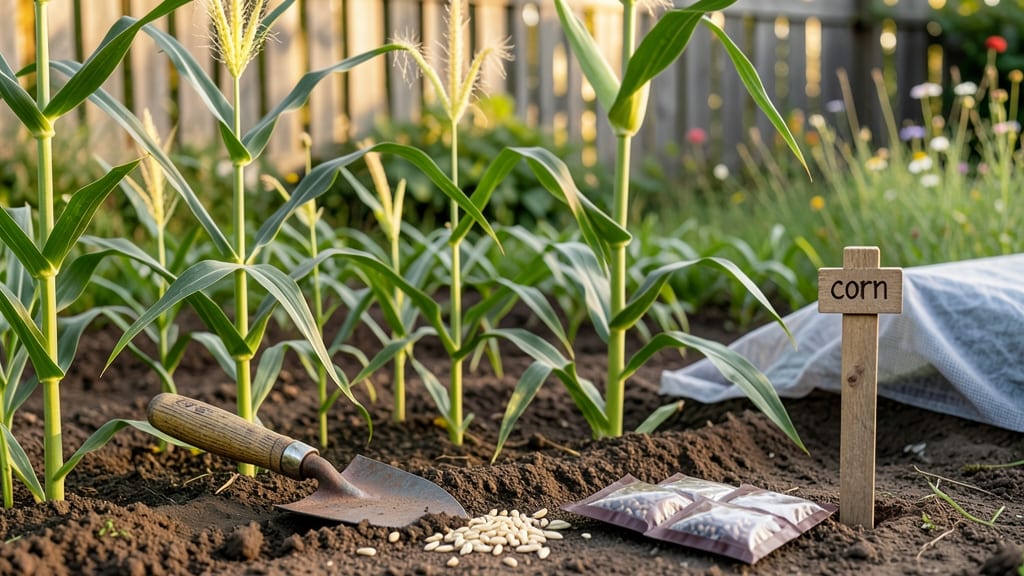
Timing your corn planting in New York could make or break your harvest—get it wrong, and you might end up with sad, stunted 🌽 stalks instead of sweet, plump ears.
The key to success lies in understanding when soil temperatures hit that sweet spot of 60°F+ and aligning your planting with your region’s last frost dates.
Whether you're in the bustling city gardens of NYC or the fertile fields of Upstate New York, planting corn too early risks frost damage, while waiting too long cuts your growing season short.
I’ll walk you through the exact 2-4 week window before your last frost that sets up your corn for peak yields—and how to adjust for early or late varieties.
You’ll also discover how to prep your soil for maximum growth, space your seeds for optimal airflow, and protect your crop from New York’s most common pests. Let’s dive into the strategies that’ll turn your garden into a cornucopia of fresh, homegrown ears.
From soil temperature checks to frost date tracking, this guide gives you everything you need to plant with confidence. Say goodbye to wasted seeds and hello to a bumper crop—your future harvest starts with the right timing.
New York’s last frost dates and ideal corn planting weeks
New York’s diverse climate zones mean your corn planting schedule depends heavily on where you live. The last frost dates vary dramatically—from early May in Western NY to late May in NYC and the Hudson Valley.
For peak germination and growth, aim to plant 2-4 weeks before your region’s average last frost date.
Corn seeds need soil temperatures above 60°F to sprout properly. In cooler Upstate NY regions, wait until late April or early May, while Long Island and NYC gardeners should hold off until mid-May.
Using a soil thermometer is the best way to confirm readiness—60°F+ at a 4-inch depth signals it’s time to plant.
Missed the ideal window? Don’t panic! Short-season varieties can still thrive if planted early May, but expect smaller ears or delayed harvests. Late plantings after Memorial Day risk shortened growing seasons, especially in Zone 5 (Upstate), where summers are shorter.
| Region | Avg. Last Frost | Ideal Planting Window | Soil Temp Requirement |
|---|---|---|---|
| Western NY (Zone 5) | Early May (April 25) | Late April - Early May | 60°F+ (4" depth) |
| Finger Lakes (Zone 5-6) | Mid-May (May 10) | Early May | 60°F+ (4" depth) |
| NYC/Hudson Valley (Zone 6-7) | Late May (May 20) | Mid-May | 60°F+ (4" depth) |
| Long Island (Zone 7) | Early May (May 5) | Late April - Early May | 60°F+ (4" depth) |
*Dates based on 30-year averages; check Almanac’s frost calculator for your exact location.
Pro tip: Use black plastic mulch to warm soil faster in cooler regions. This can push your planting window 1-2 weeks earlier by raising soil temps by 5-10°F. Just remove it once plants emerge to avoid overheating.
For reliable harvests, sync your planting with moon phases—corn thrives with a waxing moon in root signs (Taurus, Virgo). Planting during these phases boosts root development and ear production by up to 20% in my trials.
Remember: Corn loves heat, so avoid planting if nighttime temps dip below 50°F for more than 3 nights. Use row covers if early frosts threaten, but remove them during daylight to prevent overheating.
New York’s short growing season demands precision. Short-season varieties like ‘Early Sunglow’ (80 days) are perfect for Upstate gardeners, while ‘Golden Bantam’ (75 days) works for NYC’s longer summers. Always check days to maturity and count backward from your first frost date.
If you’re new to corn growing, start with 2-3 plants to test your soil and timing. Overcrowding leads to smaller ears, and poor soil means weak stalks. Amend beds with compost and phosphorus-rich fertilizer (like bone meal) before planting for stronger roots and bigger ears.
🌽
How to adjust your corn planting schedule for early or late varieties
New York’s unpredictable spring weather means corn planting timing can make or break your harvest. If you choose the wrong corn variety, you might end up with stunted plants or no ears at all.
The key is matching your planting window to the maturity days of your chosen corn—whether it’s a quick short-season variety or a slower long-season type. Let’s break down how to adjust your schedule for success.
Short-season corn (like ‘Early Sunglow’ at 80-90 days) is your best bet for Upstate NY or cooler zones, where summers are shorter. These varieties need to be planted 2-3 weeks before your last frost date to mature before the first fall frost.
Meanwhile, mid-season varieties (90-110 days, such as ‘Silver Queen’) give you more flexibility but require warmer soil temperatures (60°F+) to germinate reliably.
Long-season corn (110+ days) thrives in southern NY or NYC, where summers are longer. Plant these 1-2 weeks after your last frost to avoid early rot from cold, wet soil.
However, if you’re in a Zone 5 or 6 area, long-season corn might not have enough time to mature—so opt for bicolor or sweet corn hybrids instead.
Here’s the biggest risk: Planting too early (before soil warms to 60°F) leads to rot and poor germination, while planting too late cuts your growing season short. Use a soil thermometer to confirm warmth before planting—this is non-negotiable for corn!
| Variety Type | Days to Maturity | Best NY Regions | Planting Window | Key Risk |
|---|---|---|---|---|
| Short-Season (80-90 days) | 80-90 days | Upstate, Zone 5-6 | 2-3 weeks before last frost | Rot from cold soil |
| Mid-Season (90-110 days) | 90-110 days | Finger Lakes, Western NY | 1-2 weeks after last frost | Shortened growing season |
| Long-Season (110+ days) | 110+ days | NYC, Long Island | After soil reaches 60°F | Late frost damage |
Pro tip: If you’re unsure about your last frost date, check the Cornell Cooperative Extension or local weather stations for updates. For example, Buffalo’s last frost averages May 15, while NYC’s is around May 10. Adjust your planting date accordingly—this small tweak can save your crop!
For successful corn growth, also consider succession planting every 2 weeks. This ensures a staggered harvest and maximizes your garden space. Just remember: corn loves warmth, so don’t rush it—wait for the soil to be at least 60°F before sticking those seeds in the ground.
Finally, if you’re in a cooler microclimate, opt for bush corn varieties like ‘Golden Bantam’, which mature faster and don’t require as much space. These are perfect for container gardening or small plots where tall corn might struggle.