
Plants
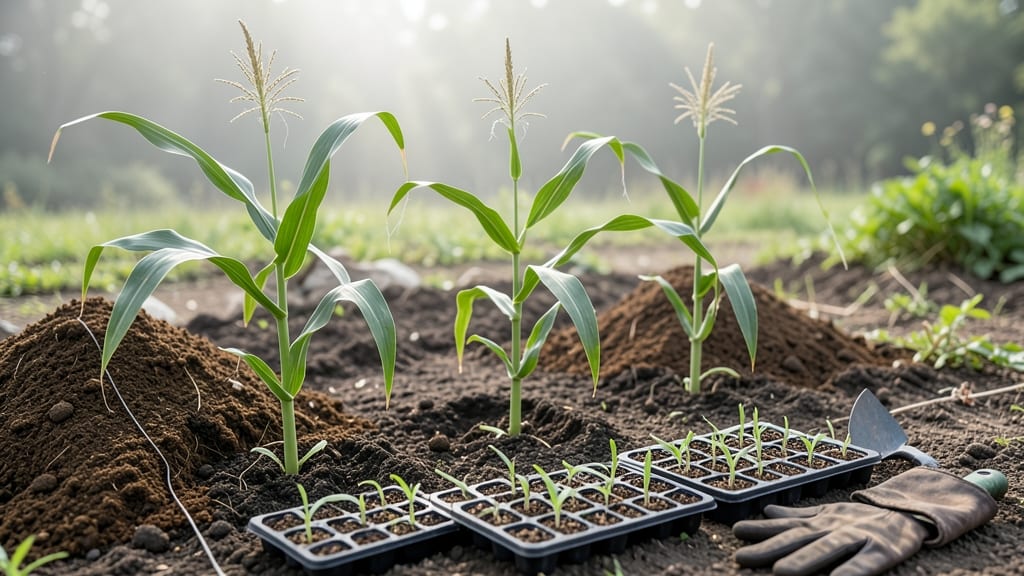
Timing your 🌽 corn planting in New Hampshire just right can mean the difference between a bumper crop and a sad, withered garden. With the state’s unpredictable spring weather—where frost can linger into May—getting those seeds in the ground at the perfect moment is everything.
The key to success lies in waiting for soil temperatures to hit 50°F or warmer (use a soil thermometer to check) and planting at least 2 weeks after your last expected frost date.
Most New Hampshire gardeners aim for mid-April to late May, but northern areas like Coos County may need to wait until early June for safety.
I’ll walk you through the exact steps—from reading frost charts to adjusting for your specific USDA zone (5a-6b)—so you can avoid common mistakes and maximize your harvest. Whether you’re growing sweet corn for summer meals or field corn for fall storage, these tips will help you time it perfectly.
Ready to turn your garden into a cornucopia? Let’s dive into the science and secrets behind planting 🌽 corn that thrives in New Hampshire’s climate, no matter how finicky Mother Nature gets.
New Hampshire corn planting dates by soil temperature & frost risks
New Hampshire’s cool springs and late frosts demand precision when planting corn. The key is waiting until soil temperatures hit 50°F for germination and 60°F for consistent growth.
Most of NH falls in USDA zones 5a-5b, where the average last frost date ranges from May 10 in southern NH to May 25 in the north. Planting too early risks frost damage, while waiting too long shortens the growing season.
Use a soil thermometer to check temperatures at a 4-inch depth. Corn seeds won’t sprout reliably below 50°F, and growth stalls below 60°F.
In northern NH (zones 4-5a), aim for late May planting, while southern NH (zones 5b-6a) can start as early as mid-April under black plastic mulch to warm the soil faster.
🌱
| Factor | Northern NH (Zones 4-5a) | Southern NH (Zones 5b-6a) |
|---|---|---|
| Last Frost Date | May 15–25 | May 10–15 |
| Ideal Planting Window | Late May–early June | Mid-April–late May |
| Soil Temp for Planting | 60°F+ (use mulch) | 55°F+ (warmer earlier) |
| Harvest Window | Late August–early October | Late July–September |
| Pro Tip | Use row covers for early starts | Plant early varieties like ‘Ambrosia’ |
For reliable germination, wait until the soil stays above 50°F for 5+ days. Cold soils delay sprouting and invite rot. In northern NH, consider starter fertilizers or biodegradable seed coatings to jumpstart growth.
Always plant 2 weeks after the last frost—corn is frost-sensitive once sprouted, and even a light freeze (32°F) can kill young plants.
Microclimates matter in NH. South-facing slopes warm faster and can support earlier planting, while valleys and shaded areas may need row covers or cold frames to extend the season.
Check the UNH Cooperative Extension’s frost maps for your specific town’s 10-year averages—these vary by just a few days but make a difference for corn’s short growing season.
If you’re planting late (after June 1), choose fast-maturing varieties (under 85 days) to avoid early fall frosts. For example, ‘Early Sunglow’ matures in 70 days, giving you a harvest before October’s first frost.
Always plant in blocks (not rows) to ensure pollination—corn is wind-pollinated, and isolated plants produce fewer ears.
🌾
Use black plastic mulch to raise soil temperatures by 5–10°F and speed up germination. Lay it down 1–2 weeks before planting to warm the soil. In containers or raised beds, soil warms faster, allowing 2–3 weeks earlier planting than in-ground plots.
Just ensure containers are at least 12 inches deep—corn roots run deep!
Monitor weekly frost forecasts from the National Weather Service or local agricultural extensions. A late May frost can devastate young corn, so have row covers or a sprinkler system ready to protect seedlings if temperatures dip below 40°F.
In 2020, northern NH saw a May 20 frost—planters who hadn’t covered their corn lost entire crops.
🌡️
New Hampshire corn planting dates by soil temperature & frost risks
New Hampshire’s USDA zones 5a-6b mean corn planting requires precision—get it wrong, and you risk frost damage or stunted growth. The average last frost date falls between May 10–25, but soil temperature matters more than calendar dates.
Corn seeds need 50°F+ soil temps to germinate, with ideal planting occurring when soils hit 60°F+ consistently.
Northern NH (e.g., Coos County) has cooler soils, so aim for late May planting after verifying soil warmth. Southern NH (e.g., Rockingham County) can start mid-April under black plastic mulch to accelerate warming. Always check NH Agricultural Experiment Station frost forecasts for real-time adjustments.
| Stage | Action | Soil Temp |
|---|---|---|
| Early April | Prepare beds (southern NH only) | 40°F+ |
| Mid-April | Start indoor seeds (optional) | N/A |
| Late April–Early May | Plant outdoors (southern NH) | 50°F+ |
| Mid–Late May | Plant outdoors (northern NH) | 60°F+ |
| June | Succession plant for extended harvest | 65°F+ |
Use a soil thermometer to confirm readiness—corn seeds won’t sprout reliably below 50°F. In northern NH, wait until June 1 if April/May soils stay cold. For southern NH, mid-April works if you use black plastic mulch to raise soil temps by 5–10°F.
Frost risks extend beyond May—late spring frosts (after May 15) can still damage young corn. Plant fast-maturing varieties (85–100 days) to ensure harvest before first frost (mid-October). Succession planting every 2 weeks after your initial date spreads out your harvest window.
Pro tip: Monitor the NH State Climatologist’s weekly frost reports. If a 50°F+ streak breaks, delay planting until soils warm again. Patience here prevents seed rot and ensures strong stalks.
For container growing, start seeds indoors 4–6 weeks before your last frost date. Transplant seedlings when soil hits 60°F and night temps stay above 55°F. Containers warm faster than ground soil, so adjust timing 1–2 weeks earlier than in-ground planting.