
Plants
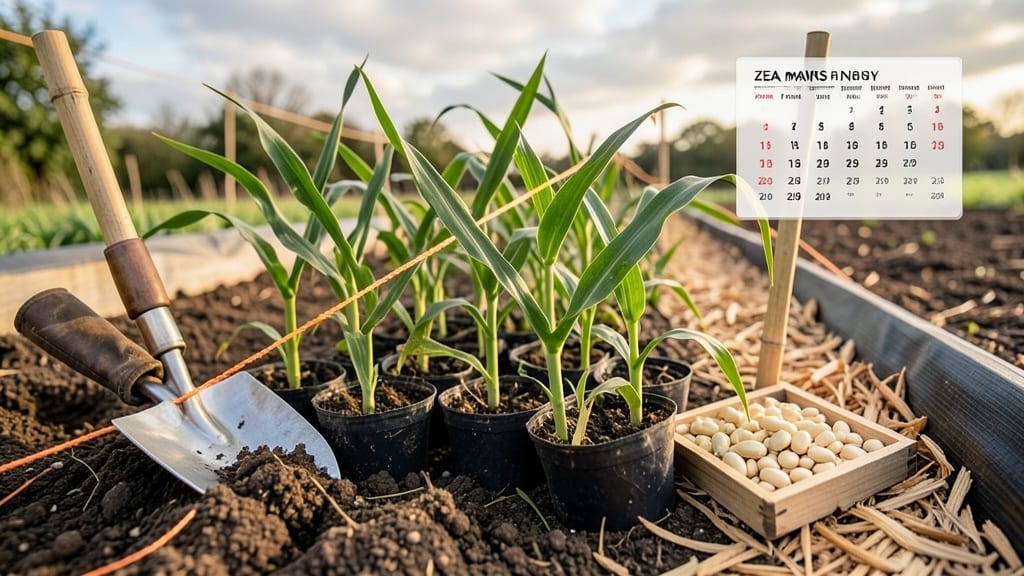
Timing your corn planting in Zone 6a wrong can mean the difference between a bumper crop of sweet 🌽 and a sad, frost-nipped failure. Unlike many plants that tolerate cooler starts, corn needs warm soil to germinate—50°F or higher—and waiting too long cuts your harvest short.
Most gardeners in Zone 6a make one of two mistakes: planting too early and risking frost damage, or waiting until late May and missing the 60-day minimum for many varieties to mature.
The sweet spot? Start seeds when soil hits 60°F—usually after your last frost date (around April 15) but before June 1.
Here’s the game-changer: soil temperature matters more than air temperature, and a simple trick like black plastic mulch can shave 1-2 weeks off your wait time. I’ll show you exactly how to read your soil’s cues and adjust for Zone 6a’s unpredictable spring.
By the end, you’ll know not just when to plant, but how to give your corn the fast, warm start it craves—so you’re pulling ears by late July instead of watching them wither in the cold.
Zone 6A corn planting calendar: exact dates based on soil temperature (not just air temp)
In Zone 6A, timing your corn planting correctly means waiting for both the right soil temperature and the last frost date—but air temperature alone won’t cut it.
Corn seeds need the ground to stay above 50°F (10°C) for at least a week to germinate, and roots thrive when soil hits 60°F (15°C). In my experience, planting too early often leads to soggy, rotting seeds, while waiting too long shortens your harvest window before fall frost.
For Zone 6A, your planting window typically opens in mid-April and closes by early June. However, these dates shift based on your local microclimate. Urban areas may warm faster than rural spots, while valleys can stay cooler longer.
The key is monitoring soil temperature, not just checking the weather app for air temps.
Here’s what you need to know: Corn planted in late April (when soil hits 55°F) often struggles, while seeds sown in early May (60°F+) germinate reliably.
If you’re eager for an early harvest, consider early-maturing varieties like ‘Early Sunglow’—they can be planted as soon as soil warms to 50°F, giving you a 60-day harvest instead of waiting for 90 days.
| Planting Stage | Soil Temp Requirement | Zone 6A Timeline | Action Steps |
|---|---|---|---|
| Soil Preparation | 45°F+ (7°C+) | Early April | Test soil pH (6.0-7.0), add compost, till 6-8 inches deep. |
| Seed Germination | 50°F+ (10°C+) | Mid-April (early varieties) | Plant seeds 1 inch deep, 4-6 inches apart; use black plastic mulch to warm soil. |
| Optimal Growth | 60°F+ (15°C+) | Early May | Thin seedlings to 12 inches apart; fertilize with 10-10-10 when plants are 6 inches tall. |
| Harvest Window | N/A (plant-dependent) | Late July–September | Harvest when silks brown and kernels are milky; expect 60–120 days to maturity. |
| Fall Frost Risk | N/A | Mid-October | Plant late varieties by June 15th to avoid frost; prioritize fast-maturing types. |
One mistake I’ve seen gardeners make is relying on air temperature alone. A sunny 70°F (21°C) day in April might fool you, but if the soil is still 45°F (7°C), your seeds will rot.
Invest in a $20 soil thermometer—it’s the difference between a failed crop and a bumper harvest. I plant my first batch when the soil hits 55°F (13°C) for 3 consecutive days, then follow up with a second planting 2 weeks later for a staggered harvest.
If you’re in a cooler microclimate (like a valley or shaded area), delay planting until soil reaches 60°F (15°C). In warmer spots (south-facing slopes), you might push it to 50°F (10°C) for early varieties. The goal is to ensure consistent germination—corn seeds won’t wait for perfect conditions.
Pro tip: Use a seedling blanket or black plastic mulch to warm soil faster. I’ve seen soil temps rise 10°F (5°C) in just a few days with these tricks.
This lets you plant earlier without risking frost damage to tender seedlings. Just remove the mulch once plants are 6 inches tall to prevent overheating.
For Zone 6A, your last reliable planting window closes around June 15th. After that, even fast-maturing varieties won’t have enough time to reach maturity before the first frost (mid-October).
If you’re tempted to plant later, stick to 60-day varieties like ‘Bodacious’ or ‘Peaches and Cream’—they’re your best bet for a late-season harvest.
Remember: Corn thrives on warmth and consistency. If you’re unsure about your soil’s readiness, wait. Rushing leads to weak seedlings, while patience ensures strong plants that produce plump, sweet kernels. Once you master this timing, you’ll never second-guess your planting schedule again.
🌽
Zone 6A corn planting calendar: exact dates based on soil temperature (not just air temp)
Corn seeds need soil temperatures of at least 50°F (10°C) to germinate, but they thrive best at 60°F (16°C) or warmer. In Zone 6A, this means waiting for mid-April to early June—long after the last frost date—to avoid stunted growth or seed rot.
Air temperature doesn’t tell the full story; soil thermometers are your best tool for precision.
Most Zone 6A gardeners plant corn in two staggered batches: the first in late April (when soil hits 55°F) and the second in early May (for a continuous harvest).
This strategy extends your harvest window from July to September, ensuring fresh ears before fall frosts hit around October 15. Pro tip: Use a soil thermometer for 3–5 days to confirm consistency before planting.
⚠️ Key Mistake: Planting too early (before soil warms) risks seedling rot or slow germination. Waiting too late (after June) shortens your harvest season. The 165 frost-free days in Zone 6A demand timing precision.
🌱 Zone 6A Corn Planting Timeline
| Stage | Action | Soil Temp Threshold |
|---|---|---|
| Late April | First planting batch | 55–60°F (13–16°C) |
| Early May | Second planting batch | 60–65°F (16–18°C) |
| June (if early) | Succession planting | 65°F+ (18°C+) |
| July–September | Harvest | N/A |
💡 Pro Tip: Plant 1–2 weeks earlier in raised beds—they warm 2–3°F faster than ground soil.
For fall planting, Zone 6A’s short season limits options, but early-maturing varieties (like ‘Early Sunglow’) can be sown in late June to early July if soil stays above 60°F. However, this is risky—prioritize spring plantings for reliable yields.
Always monitor 7-day weather forecasts for cold snaps that could delay germination.
Use black plastic mulch or straw covers to warm soil faster if you’re eager to plant early. These methods can add 5–10°F to soil temperature, helping seeds germinate weeks ahead of schedule. Just remove covers once seedlings emerge to avoid overheating.
Remember: Corn is wind-pollinated, so plant blocks (not rows) of at least 4x4 feet for cross-pollination. Staggered plantings also create a continuous harvest, keeping your kitchen stocked all summer long. 🌽