
Plants
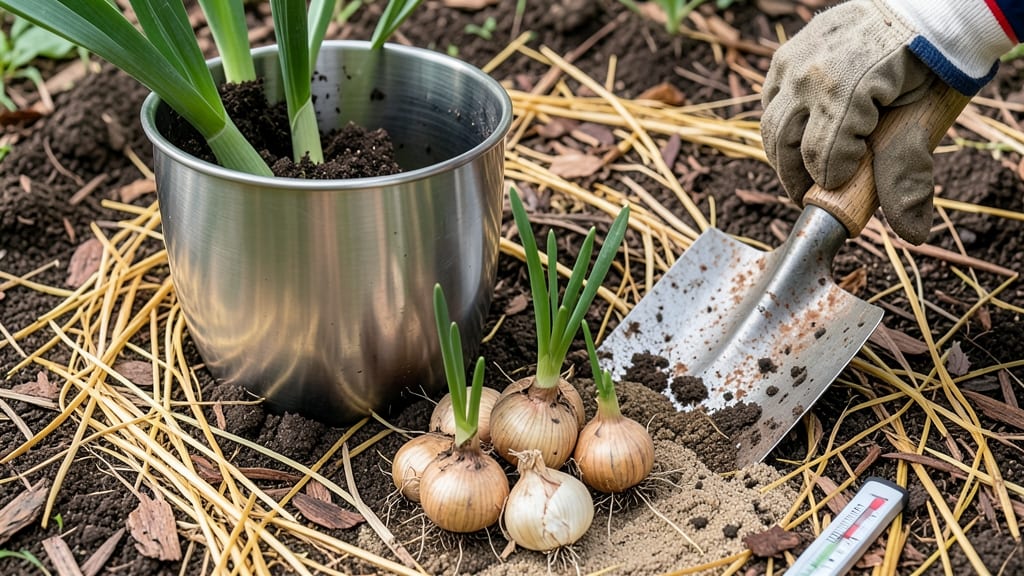
Ideal soil temperature for planting Asiatic lily bulbs in spring
Spring planting success for Asiatic lilies hinges on one critical factor: soil temperature. Unlike fall-planted bulbs, spring bulbs need warm enough soil to jumpstart root growth without being scorched by summer heat.
Aim for 50–60°F soil temperatures—this range signals to your bulbs that it’s safe to sprout and establish roots before the real heat arrives.
Why this matters: Cold soil (below 50°F) can stunt root development, while hot soil (above 65°F) stresses bulbs before they’ve had a chance to anchor. Think of it as Goldilocks—just right for your Asiatic lilies to thrive.
In USDA Zone 6a (like my garden), this typically aligns with late April to early May, but your local conditions may vary.
🌱
| Soil Temp (°F) | Root Activity | Planting Window | USDA Zones |
|---|---|---|---|
| Below 50°F | Dormant or slow | Avoid planting | 3-5 (wait for warmth) |
| 50–60°F | Active root growth | Ideal planting time | 6-10 (late April–May) |
| 60–65°F | Rapid sprouting | Safe but watch for heat | 7-9 (May) |
| Above 65°F | Stress risk | Delay until cooler | 10+ (June) |
To check your soil temperature, use a soil thermometer (just $10 at garden centers). Stick it 4–6 inches deep—where your bulbs will live—and wait 30 minutes for an accurate reading.
I test mine in the morning shade to avoid sun-warmed surface temps that can mislead you. Pro tip: Warmer soil in the afternoon doesn’t mean it’s safe to plant yet!
Regional tweaks matter: In cooler climates (Zones 3–5), wait until after May 1st to reduce frost risk. In hotter zones (7–10), plant by mid-April to beat the summer heatwave.
My Zone 6a garden hits that sweet spot in late April, but I always double-check with my local cooperative extension service for frost alerts.
Once your soil hits 50–60°F, act fast! Asiatic lilies prefer to establish roots before summer’s intensity. Plant bulbs 4–6 inches deep and 6–12 inches apart in well-draining soil—this combo ensures they won’t rot in soggy conditions or bake in dry heat.
After planting, a 2-inch layer of mulch helps regulate soil temps and retain moisture.
🌿
Remember: Spring planting is riskier than fall planting because bulbs can’t handle late frosts. If your area has unpredictable spring weather, consider starting bulbs in containers indoors under grow lights. This gives you control over timing and lets you transplant outdoors once soil temps stabilize.
I’ve used this trick in Zone 5 with great success—my Asiatic lilies bloomed just as vibrantly as those planted in warmer zones!
Finally, pair your planting with a balanced fertilizer (like 10-10-10) to give your bulbs a nutrient boost. Apply it lightly at planting depth—this feeds roots as they grow without overwhelming the bulb.
Over-fertilizing now can burn tender new roots, so less is more until you see those first green shoots emerge.
☀️
Ideal soil temperature for planting Asiatic lily bulbs in spring
Asiatic lilies thrive when planted in soil that’s warmed just enough to encourage root growth—but not so hot that bulbs dry out. Aim for soil temperatures between 50°F and 60°F (10°C–15°C) for the best start.
This range ensures roots establish before summer’s intense heat arrives, giving your lilies a fighting chance against late-spring frosts or heat stress.
In USDA Zones 3–5, where frosts linger longer, wait until mid-to-late April when soil consistently stays above 50°F.
Warmer zones (Zones 6–10) can plant as early as early March, but always check your local last frost date—planting too soon risks bulb rot in cold, wet soil.
🌱 Asiatic Lily Planting Soil Guide
| Zone | Ideal Planting Window | Soil Temp | Key Cue |
|---|---|---|---|
| 3–5 | Mid-April to early May | 50–60°F (10–15°C) | Soil thawed 4" deep |
| 6–8 | Early March to April | 55–65°F (13–18°C) | Daytime highs 60°F+ |
| 9–10 | February to March | 60–70°F (15–21°C) | No frost risk |
💡 Pro Tip: Use a soil thermometer ($10 at garden centers) to verify temps—don’t guess!
To test your soil’s readiness, stick your finger 4 inches deep. If the soil feels cool but workable (like a damp sponge), it’s time to plant. If it’s still icy or soggy, wait 2–3 weeks—rushing leads to bulb rot or stunted growth.
In containers, aim for 55°F+ soil since pots warm faster than ground soil.
Once planted, mulch heavily (3–4 inches of straw or shredded leaves) to lock in heat and protect bulbs from temperature swings. This mimics their native woodland habitats, where lilies thrive under dappled shade and consistent moisture. Mulch also suppresses weeds, reducing competition for nutrients.
Remember: Asiatic lilies hate soggy roots. If your spring brings excess rain, amend clay soil with compost or perlite to improve drainage. Well-draining soil prevents bulb rot, the #1 killer of newly planted lilies. Always plant in raised beds or slopes if your yard holds water.
For container growers, use a mix of 50% potting soil, 30% perlite, and 20% compost to replicate ideal conditions. Containers dry out faster, so monitor soil moisture daily until roots establish (4–6 weeks).
Water deeply when the top 1 inch feels dry—never let bulbs sit in saucers of water.
By mastering these soil temperature cues, you’ll give your Asiatic lilies the perfect spring launch—leading to bold blooms by July. Next, we’ll cover 5 foolproof signs your garden is truly ready for planting. 🌸