
Plants
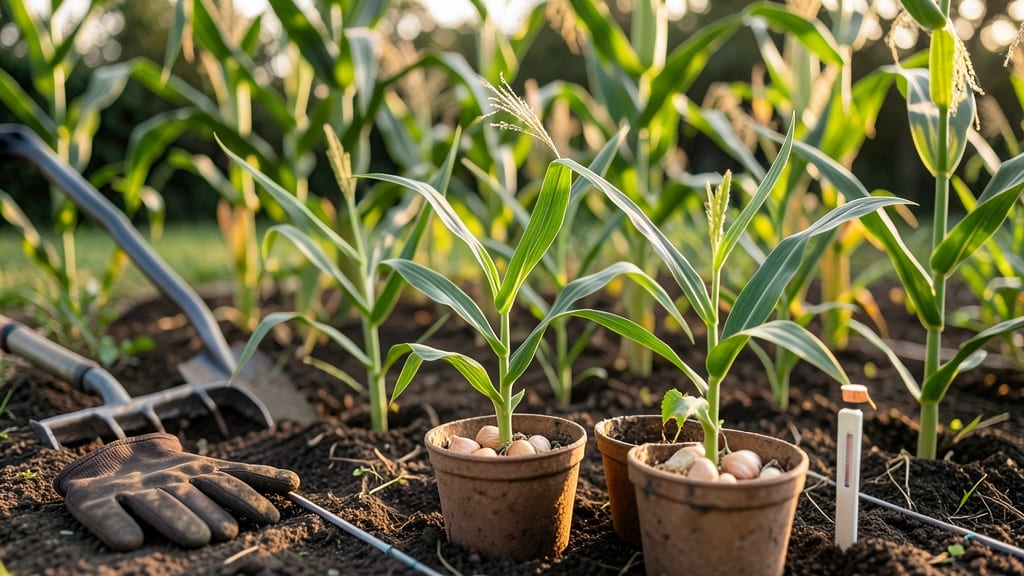
Planting corn at the wrong time in Zone 5 can mean the difference between a bountiful harvest and wasted seeds—soil temperature is the secret weapon most gardeners overlook. If you've ever stared at your 🌽 seeds wondering why they're not sprouting, you're not alone. The key to fast germination lies in understanding when your soil is truly ready, not just when the calendar says spring has arrived.
In Zone 5, where frosts can linger well into May, timing is everything. Most gardeners make the mistake of planting too early when the soil is still chilly, leading to slow or failed germination.
The ideal window opens when soil temperatures consistently reach 60°F—usually between mid-April and late May—but don't be fooled by warm daytime temps alone.
What you'll discover here is how to turn guesswork into a foolproof system. We'll break down the exact soil temperature ranges for planting, regional variations within Zone 5, and even backup strategies if Mother Nature throws a cold snap your way.
No more waiting weeks to see if your seeds will finally take—or worse, watching them rot in the cold ground.
Ready to plant with confidence? Let's dive into the fast-track checklist that'll have your corn shooting up in no time. Your garden (and your dinner table) will thank you.
Optimal soil temperature ranges for planting corn in Zone 5
Corn thrives when planted in warm soil, and in Zone 5, timing is everything. The ideal soil temperature for planting corn seeds is between 50°F and 60°F, but germination slows drastically below 50°F.
For faster sprouting, aim for 60°F or warmer, which is critical for Zone 5’s shorter growing season.
Many gardeners make the mistake of planting too early, thinking their soil is warm enough. Cold soil can cause seeds to rot or sprout unevenly. Always check your soil temperature with a soil thermometer before planting—this simple tool is your best friend for Zone 5 corn success.
Here’s how to test soil temperature without a thermometer: Press your hand into the soil about 1 inch deep. If it feels cool but not freezing, it’s likely in the 50-60°F range.
If it feels chilly or icy, wait longer. This DIY method works but isn’t as precise as a thermometer.
Zone 5’s microclimates can vary dramatically. Southern areas of Zone 5 (like northern Indiana or southern Wisconsin) may warm up faster than northern regions (like upstate New York or Minnesota). Adjust your planting date by 1-2 weeks based on your local last frost date and microclimate.
Once seeds germinate, corn prefers soil temperatures between 60°F and 85°F for optimal growth. If temperatures drop below 55°F after germination, growth will stall. This is why late May plantings often yield better results in colder Zone 5 regions.
🌱
Corn Soil Temperature
Zone 5 planting timeline: exact weeks by last frost date
Timing your corn planting in Zone 5 depends on your average last frost date, which typically falls between April 15 and May 15. For most gardeners, this means starting seeds indoors 4-6 weeks before your last frost or planting directly outdoors once soil reaches 60°F.
Early varieties like 'Early Sunglow' can handle cooler soils, while late varieties like 'Golden Bantam' need warmer conditions.
If you're in northern Zone 5 (5a), where frosts linger longer, aim for late April to early May planting. In southern Zone 5 (5b), you can plant as early as mid-April.
Always check your local frost-free date—planting too early risks frost damage to tender seedlings, while waiting too long shortens the growing season.
Here’s your step-by-step planting calendar based on common Zone 5 frost dates:
- 📅 4-6 Weeks Before Last Frost (Early March - Late April): Start seeds indoors (if using transplants) or prepare soil with compost. Use a heat mat if soil is below 50°F.
- 🌱 2-3 Weeks Before Last Frost (Late April - Early May): Harden off seedlings (if applicable) and test soil temperature—it should be at least 50°F for germination.
- 🌿 At Last Frost (Mid-April - Mid-May): Plant seeds 1 inch deep in rows 30-36 inches apart. Use row covers if nights are still chilly (below 50°F).
- 🔄 2 Weeks After Last Frost (Late May - Early June): If initial planting fails due to cold snaps, sow a succession crop of quick-maturing varieties like 'Silver Queen'.
- ☀️ June - Early July: Focus on watering deeply (1-2 inches per week) and fertilizing with nitrogen-rich feed when plants reach knee height.
For succession planting, stagger seeds every 2 weeks until June 15 to extend your harvest window. Early plantings (April) yield ears in late July, while June plantings mature by early September. Always save space for a backup planting—Zone 5’s unpredictable spring weather can delay germination.
Pro tip: Use a soil thermometer to confirm readiness—corn seeds won’t sprout below 50°F, and growth stalls under 60°F. If your soil is too cold, opt for biodynamic planting methods like planting near south-facing fences to absorb heat.
Missed the window? Don’t panic! Some short-season varieties (like 'Ambrosia') can still mature if planted by June 1, though yields may be smaller. Prioritize fast-maturing hybrids for late plantings.