
Plants
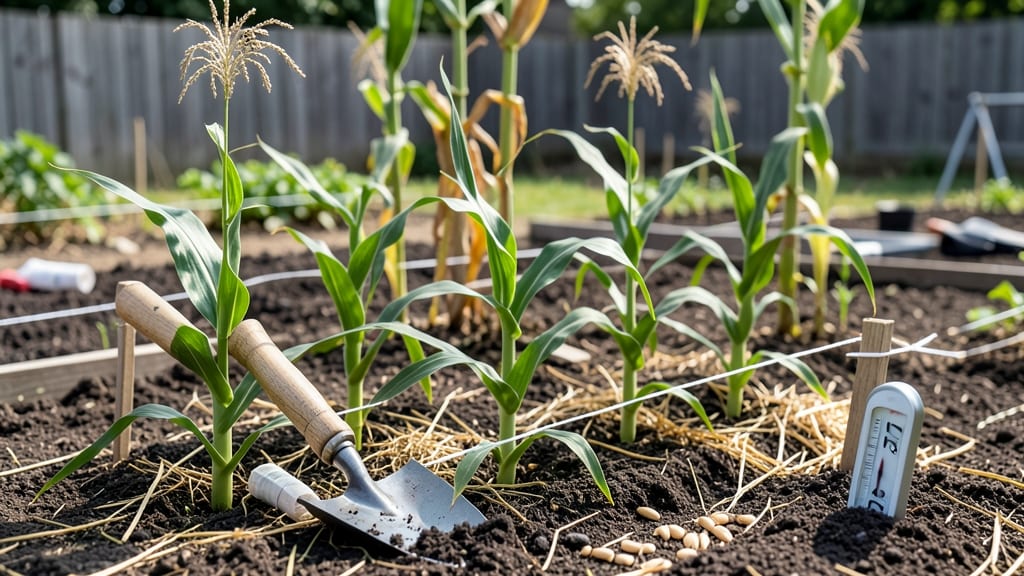
Timing your 🌽 corn planting in Canada wrong could mean watching your hard work vanish overnight—thanks to unpredictable frost, short growing seasons, and regional quirks that turn "perfect conditions" into a gamble.
Whether you're in Zone 2 or Zone 8, getting those seeds in the ground at the right moment makes all the difference between a towering harvest and a sad, stunted plant.
I’ve seen gardeners in Ontario rush their corn into cold soil only to have it rot, while their neighbors in British Columbia wait too long and miss the sweet spot for maturity.
The key isn’t just checking a calendar—it’s understanding heat units, last-frost averages, and soil temperature trends specific to your corner of the country. Let’s break down the science (and shortcuts) so you can plant with confidence.
What if you could pinpoint the exact week to sow your seeds based on your USDA zone? That’s exactly what we’re uncovering here, complete with regional tweaks for early frosts, succession planting hacks, and the fastest-maturing varieties that thrive in Canada’s climate.
No more guessing—just data-backed timing for your 🌽 corn to reach its full potential.
From the Maritimes to the Prairies, we’ll cover everything you need to avoid common pitfalls like planting too early (hello, frost damage) or too late (bye-bye, harvest). Grab your notebook—your future corn cobb salad starts with these timing secrets.
Canada’s USDA Zone planting calendar for corn: exact dates by region
Corn thrives on warm soil and long, frost-free days, making timing critical in Canada’s diverse climates. The USDA zone you’re in dictates your planting window—from late April in southern Ontario to mid-June in British Columbia.
I’ll break down the optimal planting dates by zone, including heat unit requirements and frost-free calculations to ensure your corn reaches maturity before the first frost.
Most Canadian gardeners aim for 60–90 days to harvest, depending on the variety. For example, a 75-day corn like ‘Silver Queen’ needs to be planted 3 weeks before your last expected frost date.
In Zone 2 (e.g., northern Alberta), this might mean waiting until mid-June, while Zone 8 (e.g., Vancouver Island) can start as early as late April. Always check your local frost-free date—it’s your golden rule.
Here’s how to use the USDA zone map for corn planting: First, identify your zone (use the Canada Agriculture and Food zone tool). Then, subtract your corn’s days to maturity from your frost-free date.
For instance, if your frost-free date is June 15 and your corn takes 80 days, plant by March 27—but only if your soil is warm enough (at least 10°C/50°F).
Soil temperature is non-negotiable for corn. Cold soil stunts growth, and seeds may rot. Use a soil thermometer to confirm it’s 10–15°C (50–60°F) before planting. In cooler zones, warm your soil with black plastic mulch or a cold frame to speed up germination.
Pro tip: Corn seeds germinate best at 21°C (70°F), so don’t rush—wait for the right conditions.
| USDA Zone | Optimal Planting Window | Soil Temp Requirement | Frost-Free Days Needed | Regional Examples |
|---|---|---|---|---|
| Zone 2 (e.g., Edmonton, Yellowknife) | Mid-June to early July | 10–15°C (50–60°F) | 90–120 days | Alberta, northern BC |
| Zone 3 (e.g., Calgary, Winnipeg) | Late May to early June | 10–15°C (50–60°F) | 80–100 days | Saskatchewan, southern Manitoba |
| Zone 4 (e.g., Toronto, Montreal) | Early to mid-May | 12–15°C (54–60°F) | 70–90 days | Ontario, Quebec |
| Zone 5 (e.g., Vancouver, Halifax) | Late April to early May | 10–12°C (50–54°F) | 60–80 days | Nova Scotia, BC coast |
| Zone 6–8 (e.g., Victoria, southern Ontario) | March to early April | 8–12°C (46–54°F) | 50–70 days | Vancouver Island, Niagara Region |
Regional microclimates can shift your planting window by weeks. For example, Vancouver Island (Zone 7–8) enjoys milder winters and can plant as early as
How to adjust corn planting time for early/frost-prone areas
If you live in Canada’s cooler zones (2–5), timing your corn planting is everything. A late frost can wipe out seedlings overnight, while planting too early means slow growth and poor yields.
The key is adjusting for soil warmth and using frost protection—here’s how I do it in my Zone 3 garden.
First, wait until soil temperatures hit at least 10°C (50°F)—corn seeds won’t germinate below this. Use a soil thermometer for accuracy, especially in Northern Ontario or Atlantic Canada, where cold soils delay planting. I’ve seen corn planted in May fail because the ground was still chilly.
Row covers and black plastic mulch are my secret weapons. Laying down black plastic 1–2 weeks before planting warms the soil faster than bare earth. Then, drape frost cloth over young plants if a late frost is forecasted. In Alberta or Manitoba, this extra layer can mean the difference between a thriving crop and a total loss.
For succession planting, stagger your corn in 2-week intervals to extend harvests. In my garden, I plant the first batch in late May and the last by early June. This ensures at least one batch matures before frost arrives in September.
⚠️ Avoid These Mistakes
- Planting too early: Seeds rot in cold soil. Wait for consistent warmth.
- Skipping soil prep: Corn needs well-draining, nutrient-rich soil. Amend with compost before planting.
- Ignoring frost warnings: Even hardy varieties need protection if frost is predicted.
Pro tip: Check your local frost-free date and count backward from your corn’s maturity days to plan.
If your growing season is shorter than 100 days, choose fast-maturing varieties like ‘Early Sunglow’ (70 days) or ‘Bodacious’ (85 days). These thrive in Zone 2–4 and still produce sweet ears. I’ve grown ‘Early Sunglow’ successfully in Northern Quebec, where summers are brief.
Finally, plant deeper than usual—corn seeds need moisture to germinate, and deeper planting helps retain it. Drop seeds 2 inches deep instead of the standard 1 inch. This trick works wonders in dry or sandy soils common in Prairie regions.