
Plants
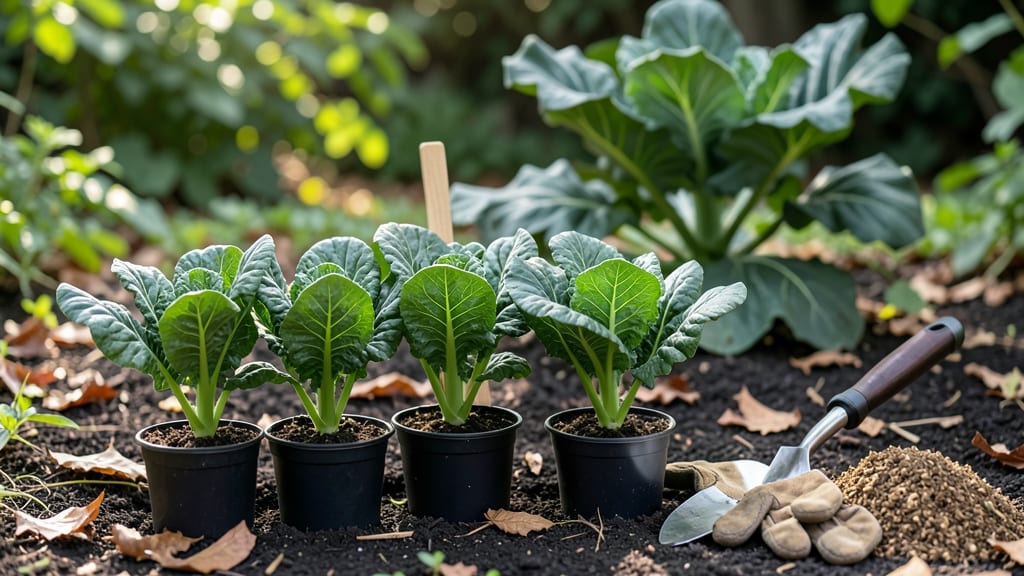
If you're wondering when to plant collards in Mississippi, timing is the secret to avoiding bitter-tasting greens or stunted growth.
Mississippi’s mild winters and long summers create perfect conditions for this heat-loving leafy green, but planting too early or late can mean the difference between a bountiful harvest and a disappointing one.
The ideal windows for planting collards in Mississippi are mid-February to early April for spring and August to early September for fall. These periods align with soil temperatures and frost dates, ensuring your 🥬 thrives without bolting or struggling in extreme heat.
Whether you're a seasoned gardener or just starting, getting the timing right means more tender leaves for your table.
Mississippi’s USDA zones 8a-9a give you a longer growing season than many other states, but that doesn’t mean you can plant collards anytime. Early spring and fall are critical because they allow your plants to mature before summer’s intense heat or winter’s first frost.
Let’s break down the exact schedule so you can maximize your harvest.
From transplanting seedlings to direct sowing, I’ll show you how to work with Mississippi’s climate to grow collards that stay sweet, crisp, and ready to pick from May through June and again in October and November. No more guesswork—just a foolproof plan for your garden.
Best Mississippi planting windows for collards: heat-tolerant schedule by season
Mississippi’s USDA Zones 8a-9a create ideal conditions for collards year-round, but precise timing prevents heat stress or early bolting. Spring and fall are your best bets, with transplanting working better than direct sowing in our hot summers.
Let’s break down the exact windows and temperature thresholds to maximize your harvest.
For spring planting, aim for mid-February to early April—4 to 6 weeks before Mississippi’s average last frost date (February 15). This gives seedlings time to establish before summer’s 90°F+ heat.
In the North Mississippi region (Zone 8a), plant slightly earlier (late January to mid-March) to beat the heat.
Fall planting is equally critical, with August to early September as the sweet spot. Seedlings need 60-70 days to mature before the first frost (around December 1), so don’t wait too late. Southern Mississippi (Zone 9a) can push planting to mid-September for a longer harvest window.
Mississippi Collard Planting Schedule
| Season | Planting Window | Temperature Threshold | Method | Harvest Window |
|---|---|---|---|---|
| Spring | Mid-February to early April | 50-70°F soil temp | Transplant seedlings | May - June |
| Fall | August to early September | 75-85°F soil temp | Direct sow or transplant | October - November |
| Summer (Risky) | June (shade-cloth only) | Below 90°F | Transplant with shade | Limited yield |
Note: Use shade cloth for summer planting to prevent bolting.
Mississippi’s humidity and heat demand extra care during summer months. If you attempt summer planting, use shade cloth (30-50%) to keep soil temps below 90°F.
Direct sowing in summer is risky—transplant 4-6 week old seedlings instead for better survival rates. Always choose heat-tolerant varieties like ‘Georgia Southern’ or ‘Vates’ for summer trials.
Soil preparation is non-negotiable. Test your soil’s pH (6.0-7.0 ideal) and amend with compost or aged manure before planting. Mississippi’s clay-heavy soils benefit from raised beds or mounds to improve drainage. Work in 1-2 inches of compost at planting time to provide nutrients and retain moisture during our dry spells.
Watering strategies differ by season. In spring and fall, aim for 1 inch of water weekly, focusing on the root zone to prevent fungal diseases. During summer’s peak heat, water deeply every 2-3 days in the early morning to reduce evaporation.
Mulch with straw or pine needles to lock in moisture and regulate soil temperature.
Watch for pests like flea beetles and diseases such as downy mildew, which thrive in Mississippi’s damp climate. Apply neem oil or insecticidal soap at the first sign of damage. Rotate planting locations yearly to prevent soil-borne diseases from building up in your garden.
For continuous harvests, stagger plantings every 2-3 weeks during spring and fall. This ensures a steady supply of tender leaves from May through November, avoiding the dreaded “harvest gap” between seasons. With this schedule, you’ll enjoy homegrown collards nearly year-round in Mississippi’s climate.
Pro tip: Save seeds from your healthiest plants! Collards are self-pollinating, so seeds will retain the best traits for your local conditions. Store them in a cool, dry place for next year’s planting.
Best Mississippi planting windows for collards: heat-tolerant schedule by season
Mississippi’s USDA zones 8a-9a give collards a unique advantage—they thrive in both spring and fall without bolting like northern varieties. But timing matters: plant too early in spring, and summer heat will stress seedlings; too late in fall, and frost cuts harvests short.
Here’s how to nail the perfect planting windows for your region.
For spring planting, aim for mid-February to early April, when soil temperatures hover around 50–60°F. This gives plants time to mature before summer’s 90°F+ heat peaks.
In northern Mississippi (e.g., Tupelo), start closer to late February; in southern Mississippi (e.g., Biloxi), wait until mid-March to avoid early heat stress.
🌱 Mississippi Collard Planting Schedule
| Season | Planting Window | Soil Temp | Key Notes |
|---|---|---|---|
| Spring | Mid-February to early April | 50–60°F | Transplant 4–6 weeks before last frost (Feb 15). |
| Summer | Avoid (heat stress) | N/A | Direct sowing fails; use shade cloth if attempting. |
| Fall | August to early September | 60–70°F | Plant 60–70 days before first frost (Dec 1). |
Fall is your second best window—plant August to early September for a harvest through December. Seedlings need 60–70 days to mature before frost hits (usually December 1 in Mississippi). For northern areas, push planting to late August; in the south, early September works.
Direct sowing collards in Mississippi is rarely recommended—transplanting 4–6 week old seedlings gives them a head start. Start seeds indoors in January for spring or July for fall, then harden off before moving outdoors.
Use black plastic mulch to warm soil faster in spring or retain heat in fall.
Mississippi’s humidity and heat demand extra care: mulch heavily to retain moisture, and choose heat-tolerant varieties like ‘Georgia Southern’ or ‘Top Bunch’. Avoid planting in July or August—summer’s 95°F+ temps cause bolting or poor growth. Instead, focus on spring and fall for sweet, tender leaves.
Pro tip: Use row covers in early spring to protect seedlings from flea beetles and cabbage worms, two pests that thrive in Mississippi’s mild winters. Harvest outer leaves first to encourage continuous growth—your plants will reward you with crisp, flavorful greens from spring through winter.