
Plants
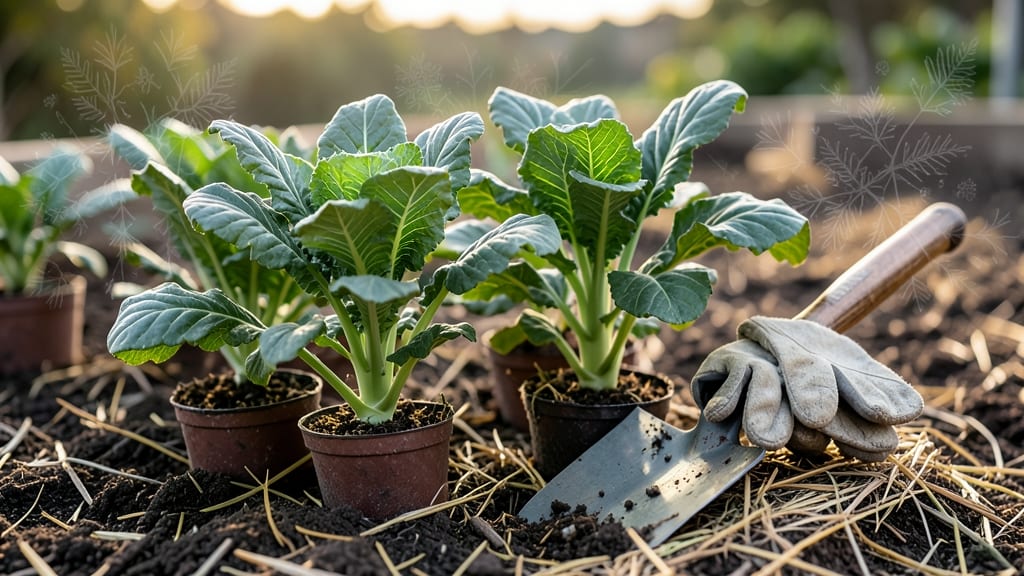
Timing your collards planting in Alabama can mean the difference between a bumper crop of 🥬 and a disappointing harvest. The perfect window for planting these cold-hardy greens isn't just about months—it's about avoiding Alabama's tricky frost dates and heat spikes that can stifle growth.
Most gardeners in zones 7b-8b know spring and fall are ideal, but the exact dates matter. Plant too early, and a late frost could wipe out your seedlings.
Too late, and summer's sweltering heat turns your collards bitter or bolting. The key is understanding Alabama's microclimates—whether you're in Mobile's humidity or Birmingham's inland warmth.
In this guide, I'll break down the exact months to plant for both spring and fall harvests, including soil temperature tips and how to adjust for your specific region.
You'll learn when to start seeds indoors, when to transplant, and how to stretch your growing season for continuous harvests from April through December.
Ready to grow collards that thrive? Let's dive into Alabama's frost-free planting calendar so you can enjoy fresh, homegrown greens all season long.
Alabama collard planting calendar by month: best times for fall and spring harvests
Alabama’s USDA Zones 7b-8b create a unique opportunity for growing collard greens year-round, but timing is critical. The ideal planting window spans late February to early April for spring crops and August to early September for fall harvests.
These windows align with soil temperatures of 60–70°F, which are perfect for germination and growth.
Mississippi’s southern border and Georgia’s northern edge influence Alabama’s climate, but regional variations exist. Coastal areas like Mobile enjoy longer heat tolerance, while mountain regions near Huntsville face earlier frost risks.
Understanding these differences helps you avoid common mistakes like planting too early in cooler zones or too late in warmer areas.
📅 Key Dates to Remember: The average last frost date in Alabama is around March 15, while the first frost typically arrives by November 15. This gives you a 220-day frost-free season, perfect for two collard harvests per year.
For spring planting, aim to have seedlings ready by late February in coastal areas like Mobile. In northern Alabama, wait until mid-March to avoid frost damage. Use row covers if planting early in cooler zones to protect young plants from unexpected cold snaps.
When planting for a fall harvest, start in early August to ensure leaves mature before the first frost. In mountain regions, push planting to mid-August to extend the growing season. Succession planting every 2–3 weeks ensures a continuous harvest.
Alabama’s humidity and heat can stress collards if planted too late in summer. To mitigate this, use shade cloth (30–50%) during peak afternoon sun (12 PM–4 PM). This simple trick can increase yield by 30% by reducing heat stress.
Always test your soil pH before planting—collards thrive in pH 6.5–7.0. Alabama’s clay-heavy soils often need compost or aged manure to improve drainage and fertility. Mix in 2–3 inches of compost at planting time for optimal growth.
Finally, space plants 12–18 inches apart in rows 24–30 inches apart to allow airflow and prevent disease. This spacing also makes harvesting outer leaves easier without damaging the plant’s center.
With these month-by-month guidelines, you’ll avoid the most common mistakes and enjoy bountiful collard harvests in both spring and fall. Happy gardening! 🥬
How to adjust collard planting for Alabama’s microclimates: coastal vs. mountain regions
Alabama’s diverse geography means collard planting times can vary dramatically between regions. Coastal areas like Mobile enjoy longer heat tolerance, while mountain regions near Huntsville face earlier frost risks. Understanding these differences helps you time your plantings for success in your specific zone.
The coastal plain (USDA Zone 8a) stays warmer longer, allowing collards to thrive well into late fall—sometimes even through December—without frost damage. Meanwhile, the Appalachian foothills (Zone 7b) may see frost as early as mid-October, requiring earlier starts.
Here’s how to adapt your planting schedule based on your Alabama location:
| Region | Last Frost Date | First Frost Date | Spring Planting Window | Fall Planting Window |
|---|---|---|---|---|
| Coastal (Mobile, Gulf Shores) | March 1-15 | December 1-15 | Late Feb–Early April | August–Mid-October |
| Central (Birmingham, Montgomery) | March 15-30 | November 1-15 | Early March–Early April | Late July–Early September |
| Mountain (Huntsville, Decatur) | March 15–April 1 | October 15–November 1 | Mid-March–Early April | Late July–Early August |
For coastal gardeners, you can push fall plantings later—even into early October—thanks to milder winters. Use row covers if temperatures dip below 30°F to protect young plants. In mountain regions, start seeds indoors by mid-July for fall transplants to beat the early frost.
Soil preparation also differs: Coastal soils often need sand amendments to improve drainage, while mountain soils may require organic matter to retain moisture. Test your soil’s pH (6.0–7.0 ideal) and adjust with lime or sulfur before planting.
Extend your harvest by using companion planting. Pair collards with bush beans or radishes in coastal areas to maximize space, while mountain gardeners benefit from planting near onions or garlic to deter pests like cabbage worms. Succession planting every 2–3 weeks ensures a continuous supply.
With these regional adjustments, you’ll avoid heat stress in summer or frost damage in fall, guaranteeing a bountiful collard harvest year-round in Alabama. 🥬