
Plants
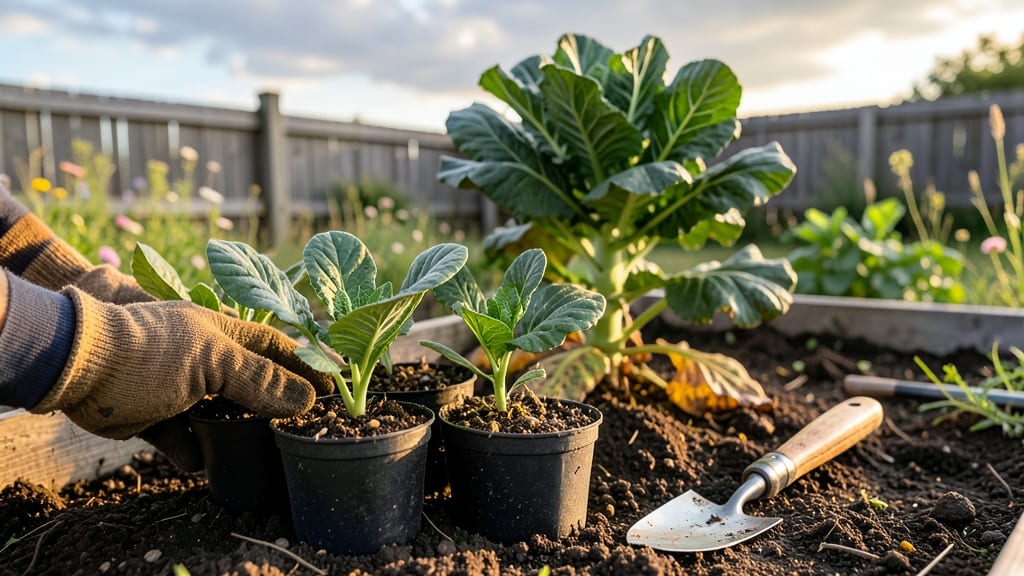
Georgia collard planting calendar: best months by frost Zone
Georgia’s USDA Zones 7b-8b create a 210-day frost-free window, perfect for two collard planting seasons. Spring and fall both work, but timing depends on your last frost date (typically mid-March) and first frost (around mid-November).
For spring planting, aim for late February to early April—once soil temps hit 50°F+. Fall planting should start 8-10 weeks before frost, usually August to early September. This schedule balances heat tolerance and cold hardiness to maximize your harvest.
Northern Georgia (Zones 7a-7b) has slightly earlier frosts, so adjust planting 2 weeks earlier than the southern regions. Southern Georgia (Zones 8a-8b) can push spring planting into early April safely.
📅 Georgia Collard Planting Summary Table
| Season | Planting Window | Soil Temp Requirement | Days to Harvest | Best Varieties |
|---|---|---|---|---|
| Spring | Late February - Early April | 50°F+ (10°C+) | 45-60 days | 'Georgia Southern', 'Blue Max' |
| Fall | August - Early September | 60°F+ (15°C+) | 50-75 days | 'Vates', 'Top Bunch' |
| Year-Round | October - November | 45°F+ (7°C+) | 60-75 days | 'Champion', 'Georgia Grey' |
💡 Pro Tip: Use row covers to extend spring planting by 2-3 weeks in cooler zones.
March is the sweet spot for spring planting in most of Georgia. By this time, soil has warmed enough to prevent rotting seeds, but nights remain cool enough to avoid bolting (premature flowering). Use a soil thermometer to confirm temps before planting.
For fall planting, August is ideal—collards need 60-75 days to mature before frost. Planting in early September still works in southern Georgia, but northern regions should finish by mid-September to ensure a harvest before cold snaps.
If you miss the fall window, try a late October planting with row covers or a cold frame. These methods can push harvests into December before hard frosts hit. Just watch for cabbage worms and aphids, which thrive in protected microclimates.
Remember: Succession planting every 2 weeks in spring and fall keeps your kitchen stocked. Start with a small batch in early March, then repeat every 14 days until mid-April. Do the same in August for a continuous fall harvest.
Always check your local frost dates—they vary by 5-10 days across Georgia. Use the National Weather Service or Georgia Climate Project for your specific county’s averages before finalizing your planting schedule.
Finally, mulch heavily after planting to regulate soil temps. Straw or shredded leaves help prevent bolting in spring heat and frost damage in fall. Aim for a 3-inch layer around plants for best results.
How to extend your collard harvest season in Georgia
Georgia’s long growing season gives you two prime chances to grow collards—spring and fall—but what if you want to squeeze in extra harvests? With the right strategies, you can push your collard season earlier or later than the standard windows.
The key is protecting young plants from late frosts or summer heat while avoiding common pitfalls like bolting or pest pressure.
For spring plantings, start seeds indoors 6-8 weeks before your last frost date (typically mid-March in most of Georgia). Use grow lights or a sunny windowsill to keep seedlings strong until transplanting.
In Zone 8a, you might even get away with a February outdoor start if you use row covers or a mini greenhouse.
Here’s the trade-off: Early plantings risk cold damage or slow growth, while late plantings face bolting from summer heat. The sweet spot? Transplant seedlings when soil temps hit 50°F—usually late February to early March in most of Georgia.
Early Spring Planting (Feb-Mar)
✅ Pros
- Longer harvest window before summer heat
- Fewer pests early in the season
- Milder soil temps reduce bolting risk
❌ Cons
- Frost risk if planted too early
- Slower growth in cool soil
- Requires protection (row covers, cold frames)
Late Summer Planting (Aug-Sept)
✅ Pros
- Avoids summer bolting with proper spacing
- Harvest before first frost (mid-November)
- Fewer diseases in cooler fall air
❌ Cons
- Heat stress if planted too late
- Shorter daylight slows growth
- Pest pressure increases in late summer
To extend your fall harvest, try succession planting every 2-3 weeks from August through September. This ensures a steady supply of fresh leaves before frost. For heat-resistant varieties, opt for 'Georgia Southern' or 'Top Bunch'—both tolerate warmer soils better than standard types.
For ultimate protection, use floating row covers in early spring or late fall. These lightweight fabrics shield plants from light frosts (down to 25°F) while allowing sunlight and water to pass through. Remove covers during the day if temps rise above 70°F to prevent overheating.
Pro tip: Mulch heavily with straw or leaves to insulate roots. This keeps soil temps stable and reduces watering needs—critical during Georgia’s hot, dry summers. With these tricks, you can enjoy collards year-round in Georgia’s climate! 🌱