
Plants
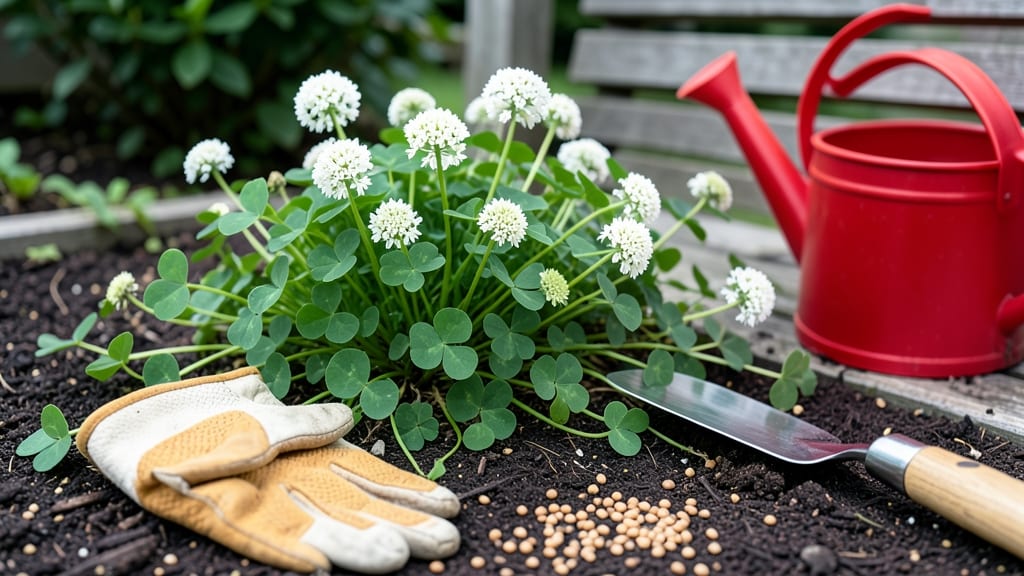
Timing your clover planting in Utah isn't just about following a calendar—it's about outsmarting the state's dramatic shifts from freezing winters to scorching summers.
Plant too early, and frost will nip your young 🌱 clover in the bud; too late, and summer droughts will leave your soil barren before roots take hold.
I've seen firsthand how fast establishment happens when you align planting with Utah's USDA zones 5-8, where early spring (March-April) and fall (September-October) windows create the perfect balance of moisture and warmth.
The key? Getting seeds in the ground when soil temperatures hit 50°F—right after that last frost date that varies wildly from the Wasatch Front to rural areas.
What most gardeners miss is how Utah's microclimates change the rules—whether you're in Zone 5 with longer winters or Zone 8 where summers linger. I'll show you exactly how to adjust timing based on your specific location, so you're not guessing whether your clover will thrive or wither.
Ready to transform your lawn, pasture, or pollinator garden into a lush clover haven? Let's dive into the exact months, soil prep secrets, and climate hacks that make all the difference in Utah's unpredictable growing season.
Best months to plant clover in Utah for optimal root growth
Utah’s spring and fall planting windows are your best bets for growing healthy clover that thrives despite the state’s dry climate and temperature swings. Unlike many plants, clover is cold-hardy but struggles with summer heat and water scarcity, so timing matters.
Aim for March-April in spring or September-October in fall to give roots time to establish before extreme weather hits.
Clover seeds need soil temperatures between 50°F and 75°F (10°C–24°C) to germinate properly. In Utah, this typically aligns with late March to early April in most regions, but higher elevations (like Park City) may need to wait until May.
Fall planting works best when soil stays above 50°F (10°C) for at least 6 weeks—usually through October in southern Utah and early September in northern areas.
Here’s why these months work best: Spring planting lets clover establish roots before summer droughts, while fall planting avoids competition from weeds and gives roots a head start for early spring growth.
Avoid planting in late summer (July-August)—the heat will stress young seedlings and lead to poor germination.
| Planting Window | Soil Temp Requirement | Utah Region | Key Consideration |
|---|---|---|---|
| Early Spring (March-April) | 50°F–75°F (10°C–24°C) | Wasatch Front, Salt Lake Valley | Plant after last frost; water deeply to beat summer drought |
| Late Spring (May) | 55°F–70°F (13°C–21°C) | High Elevations (Park City, Ogden) | Wait for soil to warm; shorter growing season |
| Early Fall (September) | 50°F–65°F (10°C–18°C) | Southern Utah (St. George) | Longer warm season; avoid late frost risks |
| Late Fall (October) | 50°F–60°F (10°C–15°C) | Northern Utah (Logan, Cache Valley) | Plant 6 weeks before first frost; protect from early cold |
For lawns and pastures, aim for March-April planting to ensure full coverage before summer. If using clover for erosion control on slopes, fall planting often works better—roots anchor soil before winter rains arrive.
In USDA Zones 5-7 (most of Utah), clover can handle light frost, but avoid planting when nighttime temps drop below 40°F (4°C).
Pro tip: Test your soil’s pH (6.0–7.0 ideal) before planting. Utah’s alkaline soils often need gypsum or sulfur to adjust pH. Amend soil 2–4 weeks before planting to give clover the best start. If your soil is too sandy (common in southern Utah), mix in compost to retain moisture.
Watering is critical in Utah’s dry climate. After planting, keep soil consistently moist (not soggy) for the first 4–6 weeks. Once established, clover is drought-tolerant, but young plants need 1–1.5 inches of water weekly. Use drip irrigation to avoid wasting water on evaporation.
Watch for weed competition, especially in spring. Apply a pre-emergent herbicide (like corn gluten meal) 2 weeks before planting to suppress weeds without harming clover. In fall, weeds are less aggressive, making it easier for clover to outcompete them naturally.
If you miss the ideal windows, don’t panic. February or November plantings can work in mild microclimates (like St. George), but expect slower growth. For high-altitude areas, extend your fall window to early November if soil stays above 50°F (10°C).
Always check your local USDA Plant Hardiness Zone for precise timing.
Remember: Clover fixes nitrogen in the soil, improving fertility over time. Planting at the right time ensures your lawn, pasture, or pollinator garden gets the full benefits—lush growth, erosion control, and bee-friendly blooms—without the stress of last-minute adjustments.
Best months to plant clover in Utah for optimal root growth
Utah’s variable climate demands precise timing for clover success. Unlike coastal regions, Utah’s dry summers and cold winters create narrow windows for planting. The key is establishing roots before summer drought or winter freeze—typically between March-April and September-October.
These months align with soil temperatures above 50°F (10°C), ideal for germination.
Clover thrives in Utah’s USDA Zones 5-8, but elevation matters. Lowland areas like St. George can plant earlier (February-March), while high-altitude zones like Park City should wait until May. Always check your local last frost date—usually around March 15 in valleys and later at higher elevations.
🌱 Utah Clover Planting Comparison
| Region | Best Planting Window | Soil Temp Threshold | Key Consideration |
|---|---|---|---|
| Wasatch Front (Salt Lake City) | March 15 - April 30 | 50°F (10°C) | Avoid late spring rains |
| Southern Utah (St. George) | February 15 - March 15 | 55°F (13°C) | Hot summers arrive early |
| High Altitude (Park City) | May 1 - June 15 | 45°F (7°C) | Shorter growing season |
| Northern Utah (Logan) | April 1 - May 15 | 50°F (10°C) | Cooler nights slow germination |
Fall planting offers a second chance for Utah gardeners. Aim for September-October to give clover 6-8 weeks of root growth before winter. This timing helps clover outcompete weeds and establishes deep roots for spring growth. Just ensure soil stays above freezing—40°F (4°C) is the minimum for safe planting.
For high-elevation areas, consider red clover varieties like Dixie, which tolerate cooler soils. In lower elevations, white Dutch clover (like Ladino) performs best with consistent moisture. Always test your soil pH—clover prefers 6.0-7.0, and Utah’s alkaline soils often need sulfur amendments.
Timing isn’t just about months—it’s about weather patterns. Utah’s unpredictable spring rains can delay planting, while summer droughts stress young clover. Monitor 7-day forecasts and plant when 3+ days of dry weather are expected. This reduces erosion and improves seed-to-soil contact.
Pro tip: Use a soil thermometer to confirm readiness. Clover seeds won’t germinate below 50°F (10°C), even if calendar dates suggest spring. In Utah’s variable climate, trust the thermometer over the calendar—your clover’s roots will thank you.