
Plants
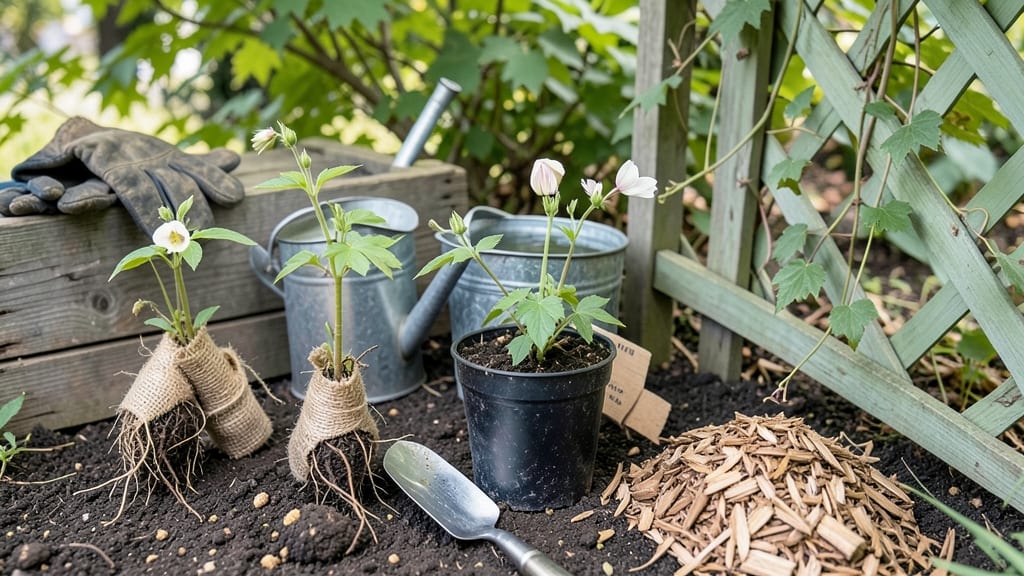
Deciding when to plant clematis in Zone 8 can feel like a high-stakes guessing game—get it wrong, and your stunning 🌸 clematis might struggle to take root or bloom.
But here’s the secret: timing isn’t just about seasons—it’s about giving your vine the best shot to thrive before winter’s chill or summer’s heat kicks in.
If you’re in Zone 8, you’ve got two prime windows: late winter to early spring or early fall. Both have their perks, but the key is avoiding those pesky late frosts (hello, March 15!) or planting too close to summer’s scorching peak.
I’ll break down which option works best for your garden’s microclimate and how to prep your soil for success.
Whether you’re a first-time gardener or a seasoned pro, nailing this step sets your clematis up for years of lush growth and showstopping blooms. Let’s dive into the best strategies so you can plant with confidence—and watch your vine flourish.
Ready to skip the trial-and-error? I’ll walk you through the exact timing, soil tweaks, and even how to tell if you’ve planted at the wrong time. Your future 🌸 clematis will thank you!
Zone 8 clematis planting timeline: best months for fall vs. early spring success
If you're planting clematis in Zone 8, timing is everything. The ideal planting window depends on whether you choose fall or spring—both have unique advantages.
In Zone 8, where winters are mild but still bring occasional frosts, fall planting (September-October) often gives clematis a head start on root growth before winter dormancy. However, early spring (February-March) works too, as long as you avoid late frosts that can damage tender new shoots.
Clematis thrives when planted during its natural dormancy period. In Zone 8, this means avoiding peak summer heat (June-August), which stresses roots, and late winter (January), when soil may still be too cold.
The key is to align your planting with soil temperatures between 50°F and 60°F, which is perfect for root establishment without overwhelming the plant.
Here’s the breakdown: Fall planting lets roots acclimate before winter, while spring planting ensures early-season growth. Both methods work, but your local microclimate (e.g., coastal vs. inland Zone 8) will influence which option suits you best.
For example, cooler inland areas may favor fall planting, while warmer coastal regions might lean toward spring.
🌸
| Factor | Fall Planting (Sep-Oct) | Spring Planting (Feb-Mar) |
|---|---|---|
| Soil Temperature | 50°F–60°F (ideal for root growth) | 50°F–60°F (warms quickly in Zone 8) |
| Frost Risk | Low (roots establish before winter) | Moderate (late frosts possible) |
| Growth Advantage | Roots harden off naturally | Early above-ground growth |
| Best For | Mild winters, inland Zone 8 | Warmer microclimates, coastal areas |
| Watering Needs | Moderate (fall rains help) | Higher (spring drought risk) |
| Estimated Blooms | Next year (stronger roots) | Same year (if planted early) |
For fall planting in Zone 8, aim for late September to early October. This gives roots 6–8 weeks to establish before the first frost (typically around mid-November).
If you plant in August, roots may struggle to harden off before winter, while November planting risks exposing the plant to cold before it’s ready.
Spring planting in Zone 8 should happen 4–6 weeks before your last frost date (usually mid-February to early March). Planting too early (January) can stress roots in cold soil, while waiting until April may delay the first year’s blooms.
If you’re unsure about your frost date, check your local USDA Zone 8a or 8b guidelines—Zone 8a has slightly colder winters than 8b.
Pro tip: If you’re planting bare-root clematis, soak the roots for 2–4 hours before planting to rehydrate them. For container-grown plants, water thoroughly the day before transplanting to reduce shock.
Both methods work in Zone 8, but bare-root plants often establish faster in fall, while container-grown clematis gives you more flexibility for spring planting.
Another critical factor is mulching. In Zone 8, apply 2–3 inches of organic mulch (like shredded bark or straw) after planting to insulate roots. For fall plantings, mulch helps protect against winter temperature swings, while spring plantings benefit from mulch that retains moisture during dry spells.
Just avoid piling mulch against the stem to prevent rot.
Finally, choose a support structure before planting—clematis vines can reach 10–20 feet in Zone 8! A trellis, arbor, or sturdy fence will give your plant something to climb immediately.
If you delay installing support, the vine’s early growth may become tangled or weak, reducing its blooming potential later in the season.
🌿
Zone 8 clematis planting timeline: best months for fall vs. early spring success
In Zone 8, timing your clematis planting is everything—either late summer/fall or early spring can work, but each has distinct advantages. The key is giving roots time to establish before extreme heat or cold hits.
For fall planting, aim for September to early October when soil temperatures stay above 50°F (10°C) but before the first frost (typically mid-November in Zone 8). This lets roots grow before winter dormancy.
Spring planting, on the other hand, should happen February to early March, once soil warms to 55°F (13°C) and frost risk drops. Planting too early in spring risks cold stress, while late spring planting may delay first-year blooms.
Both timings can succeed, but fall planting often yields stronger vines by year two because roots establish during cooler months.
🌱 Zone 8 Clematis Planting Comparison
| Factor | Fall Planting (Sep-Oct) | Spring Planting (Feb-Mar) |
|---|---|---|
| Soil Temp | 50°F+ (10°C+) | 55°F+ (13°C+) |
| Root Growth | Establishes before winter | Grows with spring warmth |
| Frost Risk | Low (plant before Nov 15) | Moderate (after last frost) |
| Blooms Year 1 | Possible (if early) | Unlikely (focus on roots) |
| Best For | Strong root system | Quick above-ground growth |
For fall planting, prioritize varieties like 'Jackmanii' or 'Niobe', which handle cooler soils better. If you choose spring, opt for 'Henryi' or 'Montana', which tolerate early-season warmth. Both seasons work, but fall planting gives your clematis a head start on root development before Zone 8’s mild winters.
Pro tip: In Zone 8, late October planting risks frost damage, while April planting may stress young roots. Stick to the 6-week window before your first frost (typically mid-November) or after your last frost (mid-March) for best results.
Always check your local USDA frost map for precise dates.
After planting, mulch heavily with 3-4 inches of organic mulch to protect roots from temperature swings. In spring, remove mulch in late winter to allow soil to warm naturally. This simple step can mean the difference between a thriving vine and a struggling one.
Remember, bare-root clematis plants establish faster than container-grown ones, so if you’re planting in fall, choose bare-root for maximum root growth before winter. Container plants can also work, but they’ll need extra care to avoid transplant shock during seasonal transitions.